Pest Control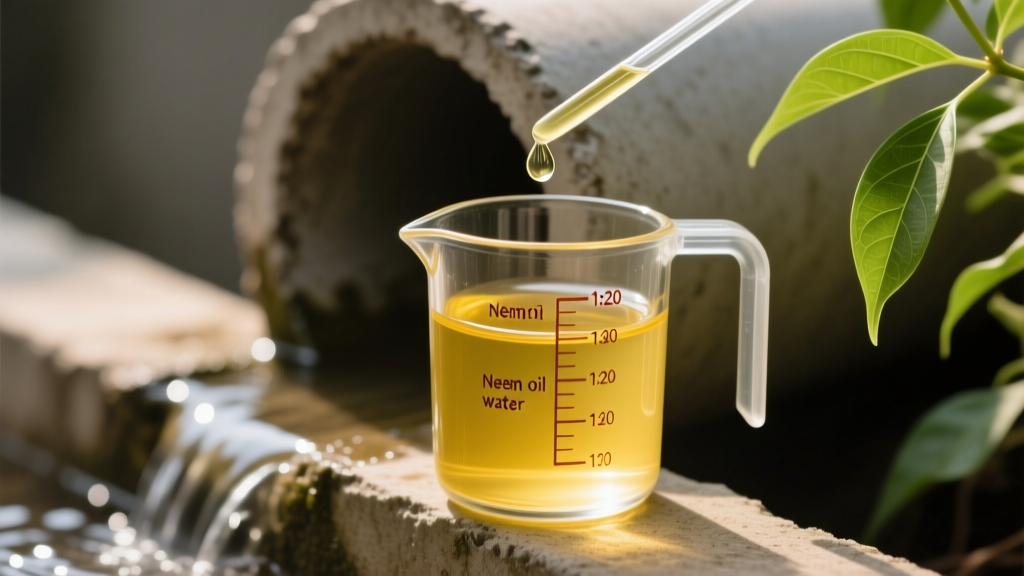
Neem Oil Mixing Ratios & Spray Schedules Near Drain Pipes 2026
Sarah ChenPublished
The Intersection of Pest Control and Landscape Drainage
Managing a lush, healthy lawn in 2026 requires more than just mowing and fertilizing; it demands a keen understanding of subsurface infrastructure and integrated pest management (IPM). Landscape drainage pipes—including French drains, corrugated perforated tubing, and catch basin systems—are vital for preventing soil erosion, protecting foundations, and eliminating standing water. However, the perpetually moist soil surrounding these drainage systems creates an ideal breeding ground for moisture-loving pests such as fungus gnats, root aphids, springtails, and mosquitoes.
Neem oil, derived from the seeds of the Azadirachta indica tree, remains one of the most effective organic biopesticides available. It disrupts the life cycle of pests at all stages and acts as a powerful fungicide. Yet, homeowners frequently make a critical error when applying neem oil near landscape drainage pipes: they fail to properly emulsify the concentrate or apply it too heavily. Because oil and water do not mix, unemulsified neem oil can wash into the soil during irrigation or rainfall, coating the geotextile filter fabrics that wrap your drainage pipes. This oily buildup clogs the pipe perforations, leading to catastrophic drainage failure and expensive yard excavations. In this comprehensive 2026 guide, we detail the exact neem oil concentrate mixing ratios and foliar spray schedules needed to eradicate pests without compromising your landscape drainage infrastructure.
Why Proper Mixing Protects Your Drainage Pipes
Before diving into the ratios, it is essential to understand the mechanics of your landscape drainage system. A standard French drain consists of a perforated PVC or corrugated pipe wrapped in a porous geotextile fabric. This fabric allows water to enter the pipe while keeping soil and debris out. When you apply a heavy, oil-based pesticide to the surface above or near these pipes, the oil can bind to soil particles and eventually wash down to the fabric layer. Over time, hydrophobic oil residues clog the microscopic pores of the geotextile, rendering the drainage pipe useless. By strictly adhering to the correct mixing ratios and utilizing a proper emulsifier, the neem oil breaks down into micro-droplets that degrade naturally in the soil profile without leaving a clogging residue on your drainage infrastructure.
2026 Neem Oil Concentrate Mixing Ratios
The concentration of your neem oil spray depends entirely on the application method and the severity of the pest infestation near your drainage zones. Cold-pressed, 100% pure neem oil concentrate requires an emulsifier (such as a mild liquid castile soap or agricultural silica) to mix with water. Below is the definitive 2026 mixing chart for pest control around landscape drainage systems.
| Application Type | Neem Oil Concentrate | Emulsifier (Liquid Soap) | Water Volume | Best Use Case Near Drains |
|---|---|---|---|---|
| Preventative Foliar Spray | 0.5 oz (1 tbsp) | 0.5 tsp | 1 Gallon | Routine maintenance on foliage overlying catch basins and drain grates. |
| Active Foliar Spray | 1.0 oz (2 tbsp) | 1.0 tsp | 1 Gallon | Targeting active adult fungus gnats and mosquitoes resting on leaves near moist soil. |
| Targeted Soil Drench | 1.5 oz (3 tbsp) | 1.5 tsp | 1 Gallon | Applying directly to the soil surface to target larvae. Use sparingly directly over perforated pipes. |
| Dormant Season Spray | 2.0 oz (4 tbsp) | 2.0 tsp | 1 Gallon | Late fall/early spring application on dormant shrubs near drainage outlets. |
The Emulsification Process: A Non-Negotiable Step
Never pour raw neem oil concentrate directly into a sprayer filled with cold water. The oil will float to the top, resulting in a patchy application that can burn plant leaves and create concentrated oil slicks that wash into your landscape drainage pipes. According to guidelines referenced by the University of Minnesota Extension, proper emulsification ensures the active compound, azadirachtin, is evenly distributed. First, mix your chosen emulsifier into a small amount of warm water (around 85°F to 95°F). Shake vigorously until cloudy. Then, add the neem oil concentrate to this warm soapy water and shake again. Finally, dilute this master mixture into the rest of your sprayer's water volume. This creates a stable, milky-white emulsion that is safe for both your plants and your subsurface drainage fabrics.
The Ideal Foliar Spray Schedule for Moisture-Prone Zones
Timing your neem oil applications is just as critical as the mixing ratio, especially when protecting landscape drainage pipes from excessive runoff. The goal is to allow the foliar spray to dry completely on the plant tissue before any irrigation or rainfall occurs, preventing the oil from washing into the soil and down to the drain lines.
1. The 24-Hour Weather and Irrigation Rule
Before mixing your batch, check your local weather forecast and your smart irrigation controller's schedule. Do not apply neem oil if rain is expected within 24 hours, or if your lawn's sprinkler system is scheduled to run over the drainage zones. Moisture is the enemy of freshly applied neem oil; if it washes off the leaves, it not only loses its efficacy against pests but also increases the volume of oil entering the soil matrix above your drainage pipes.
2. Time of Day Application
Apply your foliar spray during the early morning (between 6:00 AM and 8:00 AM) or in the late evening just before dusk. Spraying during the heat of the day can cause phototoxicity (leaf burn) because the oil magnifies the sun's rays. Evening applications are often preferred near drainage zones, as the cooler temperatures allow the spray to dry slowly and evenly without evaporating too quickly, minimizing the need for reapplication.
3. Frequency and Intervals
For active pest infestations (such as severe fungus gnat outbreaks near a shady, poorly draining French drain line), apply the active foliar spray every 5 to 7 days. The Environmental Protection Agency (EPA) notes that neem oil does not leave a toxic residual residue like synthetic chemicals; it must be ingested or contacted directly by the pest to disrupt their hormonal systems. Once the pest population is under control, transition to the preventative mixing ratio and apply once every 14 to 21 days. Over-spraying does not increase efficacy; it only increases the risk of oil accumulation in your soil and drainage infrastructure.
Targeting Specific Pests Near Landscape Drainage Systems
Different pests require slightly different strategies when dealing with the microclimates created by landscape drainage pipes.
Fungus Gnats and Root Aphids
These pests thrive in the damp, organic-rich soil that often accumulates near catch basins and shallow trench drains. While foliar sprays kill the flying adults, you must address the larvae in the soil. Use the Targeted Soil Drench ratio from the table above. Apply the drench only to the immediate root zones of the affected plants, avoiding broad, sweeping applications over the bare soil that sits directly above your perforated drainage pipes. This localized approach kills the larvae while minimizing the total volume of oil introduced to the drainage bed.
Mosquitoes in Catch Basins and Dry Wells
Landscape drainage systems sometimes feature catch basins or dry wells where water can temporarily pool during heavy storms, creating mosquito breeding grounds. While neem oil can kill mosquito larvae, applying large quantities of oil concentrate into a drainage basin is highly discouraged, as it will coat the interior of your PVC pipes and eventually wash into municipal storm drains or local waterways. Instead, use BTI (Bacillus thuringiensis israelensis) dunks inside the actual drainage basins and pipes. Reserve your neem oil foliar sprays for the surrounding shrubbery where adult mosquitoes rest during the heat of the day.
Maintaining and Flushing Drainage Pipes After Pest Control
Even with perfect mixing ratios and careful application, organic matter, soil, and minor oil residues can accumulate in your landscape drainage pipes over time. As part of your 2026 lawn and garden care routine, schedule a bi-annual drainage system flush.
To flush your system, locate the exposed ends of your drainage pipes or the cleanout access points. Use a garden hose with a high-pressure nozzle or a specialized drain bladder attachment to send a forceful stream of water through the lines. This will dislodge any silt, decomposing leaf litter, or minor bio-film buildup that may have formed from organic pest control products. If you notice water backing up near your French drain grates, it may indicate that the geotextile fabric has become compromised. In such cases, you may need to carefully excavate the top layer of soil, rinse the fabric with a gentle, biodegradable degreaser safe for landscaping, and ensure the pipe perforations are clear before re-burying the system.
Conclusion: Balancing IPM and Infrastructure Health
Integrating organic pest control into your landscape management plan should never come at the expense of your yard's foundational infrastructure. By mastering the precise neem oil concentrate mixing ratios and adhering to a strategic foliar spray schedule, you can effectively eliminate moisture-loving pests like fungus gnats and mosquitoes. More importantly, by prioritizing proper emulsification and respecting the 24-hour irrigation rule, you ensure that your landscape drainage pipes remain unclogged and fully functional for decades to come. A healthy lawn in 2026 is a balance of vibrant above-ground foliage and a pristine, well-maintained subsurface water management system.