Pest Control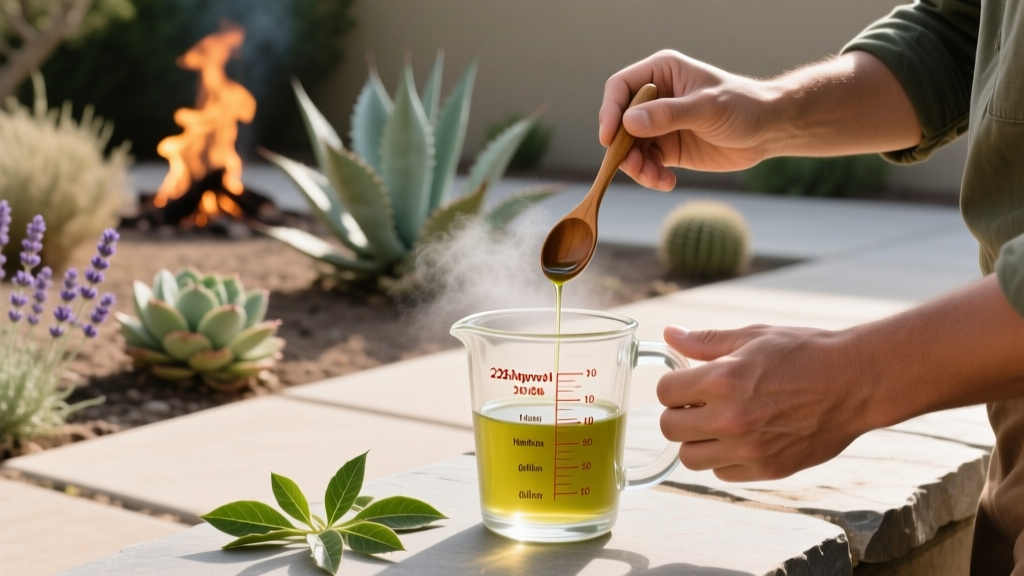
Neem Oil Mixing Ratios & Spray Schedule for
The Intersection of Pest Control and Fire-Resistant Landscaping
As we navigate the extended and increasingly unpredictable wildfire seasons of 2026, fire-resistant landscaping—often called firescaping—has transitioned from a niche gardening trend to an absolute necessity for homeowners in fire-prone regions. Fire-resistant plants, such as succulents, ice plants, rockrose, and specific low-resin shrubs, rely on high internal moisture content and low volatile sap levels to resist ignition. However, these botanical defenses are easily compromised by common garden pests.
When pests like spider mites, aphids, and scale insects attack fire-resistant plants, they suck the sap and destroy the cellular structure of the leaves. This causes desiccation, necrosis, and a severe drop in the plant's moisture content, effectively turning a fire-retardant asset into dry kindling. Protecting your firescape requires an Integrated Pest Management (IPM) approach that eliminates pests without introducing flammable residues. This is where cold-pressed neem oil becomes an indispensable tool for the 2026 firescaping toolkit.
Why Neem Oil Outperforms Petroleum Oils in Fire Zones
Historically, many gardeners relied on dormant horticultural oils to smother overwintering pests. However, most traditional horticultural oils are petroleum distillates. When applied heavily to foliage, they can leave a microscopic, oil-based film that is highly combustible, especially during the dry, low-humidity wind events (such as the Santa Ana or Diablo winds) that drive modern wildfires.
Neem oil, extracted from the seeds of the Azadirachta indica tree, is a botanical, vegetable-based oil. According to the National Pesticide Information Center (NPIC), neem oil breaks down rapidly when exposed to ultraviolet light and does not leave a persistent, flammable residue on plant surfaces. Furthermore, its active compound, Azadirachtin, disrupts the life cycle of pests at a hormonal level, providing systemic protection without compromising the natural moisture-retaining waxy cuticles of fire-resistant succulents and shrubs.
The 2026 Neem Oil Mixing Protocol
Neem oil concentrate is hydrophobic, meaning it will not mix with water on its own. If you simply pour it into a sprayer, the oil will float to the top, resulting in uneven application that can cause phytotoxicity (leaf burn) on sensitive firescape plants. To create a stable emulsion, you must use an emulsifier.
For fire-resistant landscaping, avoid heavy silicone-based surfactants that might clog the stomata of drought-tolerant plants. Instead, use a mild, non-detergent liquid castile soap or a specialized organic silica-based spreader-sticker. The Environmental Protection Agency (EPA) recommends following precise botanical mixing guidelines to ensure efficacy while minimizing environmental impact.
Standard Mixing Ratios for Fire-Resistant Plants
The table below outlines the precise 2026 mixing ratios for 100% cold-pressed neem oil concentrate. Always use warm water (around 75°F to 85°F) to help the oil emulsify properly before adding it to your pump sprayer.
| Application Type | Water Volume | Neem Oil Concentrate | Emulsifier (Liquid Soap) | Target Pests & Purpose |
|---|---|---|---|---|
| Preventative Foliar | 1 Gallon | 1 Tablespoon (0.5 oz) | 1 Teaspoon | General maintenance, deterring aphids and whiteflies |
| Active Infestation | 1 Gallon | 2 Tablespoons (1.0 oz) | 1.5 Teaspoons | Active spider mites, scale, and mealybugs |
| Soil Drench | 1 Gallon | 3 Tablespoons (1.5 oz) | 1.5 Teaspoons | Root aphids, fungus gnats, and systemic protection |
| Dormant Season | 1 Gallon | 4 Tablespoons (2.0 oz) | 2 Teaspoons | Overwintering eggs on woody fire-resistant shrubs |
Step-by-Step Mixing Instructions
- Step 1: Fill your pump sprayer halfway with warm water.
- Step 2: Add the measured emulsifier (liquid soap) to the water and gently swirl to create suds.
- Step 3: Measure the exact amount of cold-pressed neem oil concentrate and pour it into the soapy water.
- Step 4: Close the sprayer and shake vigorously for 60 seconds until the mixture turns a milky, opaque yellow.
- Step 5: Top off with the remaining water, shake once more, and use within 8 hours. (Neem oil degrades rapidly once mixed with water and alkaline soap).
Foliar Spray Schedule for Fire-Resistant Zones
Maintaining a strict foliar spray schedule is critical in fire zones. You must balance pest eradication with the need to keep plant foliage healthy, hydrated, and free of stress. Stressed plants drop leaves, creating dry fuel beds at the base of the plant—a major fire hazard.
Spring (March - May): The Preventative Window
As temperatures begin to rise and fire-resistant plants push new, tender growth, they become highly susceptible to aphids and thrips. Apply the Preventative Foliar mixture every 14 days during the early morning hours (between 6:00 AM and 8:00 AM). This timing allows the foliage to dry completely before the midday sun, preventing the magnification effect that causes leaf burn. Healthy, unburned leaves retain maximum water content for the upcoming fire season.
Summer (June - August): High Heat Precautions
During the peak of summer, the rules of engagement change. Never apply neem oil when daytime temperatures are forecasted to exceed 90°F. The combination of oil and high heat will induce severe phytotoxicity, scorching the leaves of your fire-resistant plants and destroying their moisture-retaining capabilities. During heatwaves, switch from foliar sprays to the Soil Drench method. The plant's roots will absorb the Azadirachtin, making the plant's sap toxic to sap-sucking pests without risking foliar damage.
Fall (September - November): Pre-Dormant Preparation
Fall is often the most dangerous fire season in many regions, characterized by dry winds and low humidity. Stop all foliar spraying by early September to allow the natural waxy cuticles of plants like Agave, Aloe, and Ceanothus to fully regenerate. If you notice late-season scale insects on woody shrubs, spot-treat only the affected branches rather than blanket-spraying the entire landscape.
Winter (December - February): Dormant Season Treatment
Once your fire-resistant deciduous shrubs have dropped their leaves and entered dormancy, you can safely use the higher Dormant Season mixing ratio. This heavier concentration will smother overwintering pest eggs hidden in the bark crevices. Because the plants have no active foliage, there is zero risk of leaf burn, and the oil will degrade naturally in the soil long before the spring fire season begins.
Crucial Safety Rules: Red Flag Warnings and Wind Events
In 2026, local fire authorities have tightened regulations regarding landscape maintenance during extreme weather events. You must adhere to the following safety rules when applying neem oil in a firescape:
- Never Spray During a Red Flag Warning: High winds and low humidity cause rapid evaporation of the water carrier in your neem mixture, leaving concentrated oil spots on the leaves that can cause immediate tissue necrosis.
- Avoid Fuel Ladder Creation: When treating low-growing groundcovers like Dymondia or creeping rosemary, ensure that your spray runoff does not kill off beneficial soil microbes that help the plant retain water. Always use the exact emulsifier ratios listed above to prevent soil contamination.
- Clean Up Plant Debris: Pests often cause premature leaf drop. After treating an infestation, immediately rake and remove all fallen, dead foliage from the base of your fire-resistant plants. A pile of dead, pest-ridden leaves at the base of a healthy succulent creates a dangerous 'fuel ladder' that can carry a ground fire up into the plant canopy.
Conclusion
Protecting a fire-resistant landscape requires a nuanced approach to pest management. By utilizing cold-pressed neem oil at the correct 2026 mixing ratios and adhering to a climate-conscious foliar spray schedule, you can keep your firescaping plants vigorous, hydrated, and highly resistant to ignition. Remember that in the fight against wildfires, a healthy, pest-free plant is your best natural defense.