Pest Control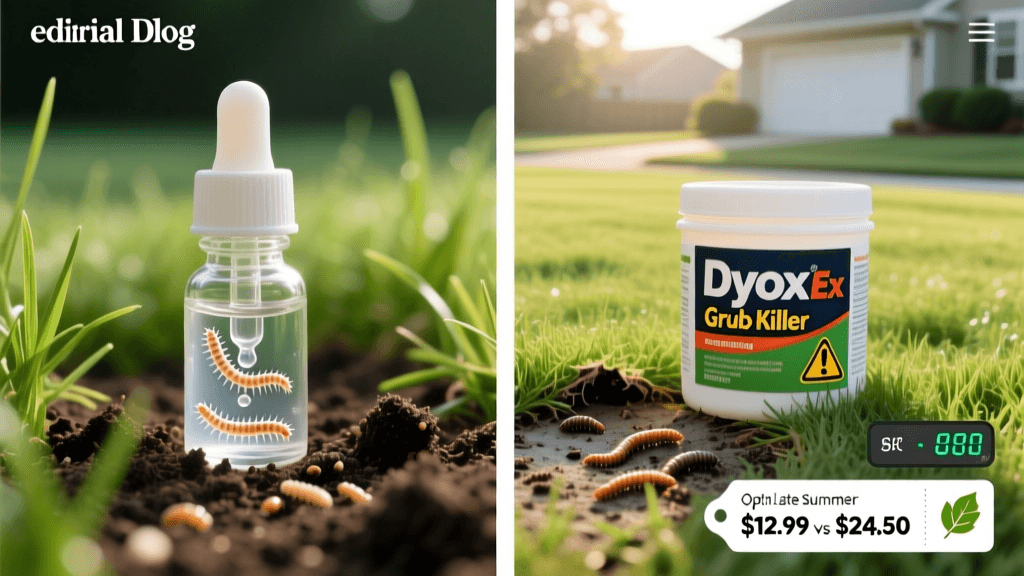
Nematodes vs Chemical Grub Killers: A Product Comparison
The Grub Problem: Why Choosing the Right Treatment Matters
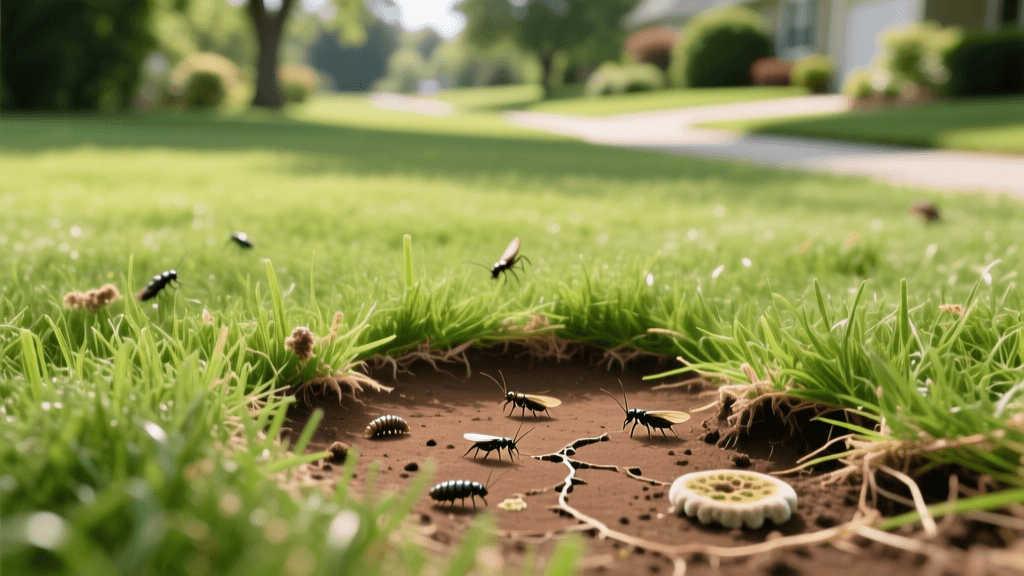
White grubs are the larval stage of various scarab beetles, including Japanese beetles, June bugs, and European chafers. These C-shaped, creamy-white pests live just beneath the soil surface, feasting on the root systems of your turfgrass. When grub populations explode, they sever the roots, causing the grass to turn brown, roll back like loose carpet, and eventually die. Furthermore, heavy grub infestations often attract secondary pests like skunks, raccoons, and crows, which will tear up your lawn to feast on the larvae.
When homeowners discover grub damage, they are typically faced with two primary avenues of control: organic biological controls (beneficial nematodes) and synthetic chemical pesticides. But which route is more effective, cost-efficient, and environmentally responsible? In this comprehensive product review and comparison, we break down the top biological and chemical grub killers on the market to help you make an informed decision for your lawn care regimen.
Step One: Scouting and the IPM Approach
Before purchasing any product, it is crucial to verify that you actually have a grub problem. The Environmental Protection Agency (EPA) strongly advocates for Integrated Pest Management (IPM), which emphasizes scouting and monitoring before applying any treatments. To scout for grubs, use a spade to cut a one-foot by one-foot square of turf, peel it back, and count the grubs in the top three inches of soil.
According to turfgrass researchers at Penn State Extension, a healthy, well-maintained lawn can typically tolerate up to 5 grubs per square foot without showing visible damage. Treatment is usually only justified when populations exceed 8 to 10 grubs per square foot. If your count is below this threshold, focus on proper watering and fertilization to help your grass outgrow the minor root pruning. If your count exceeds the threshold, it is time to choose a treatment product.
Option 1: Beneficial Nematodes (Organic Biological Control)
Beneficial nematodes are microscopic, unsegmented roundworms that naturally occur in soils worldwide. For grub control, the most effective species is Heterorhabditis bacteriophora (often abbreviated as Hb). These nematodes actively hunt down soil-dwelling pests, enter their bodies, and release a symbiotic bacteria that kills the grub within 48 hours. The nematodes then reproduce inside the dead host and release thousands of new infective juveniles into the soil to hunt for more prey.
Top Product Review: BioLogic Ecomask (Hb Nematodes)
BioLogic Ecomask is a premium, commercially available nematode product widely trusted by organic lawn care professionals. It is shipped in a dormant state and must be kept refrigerated until application.
- Active Ingredient: Heterorhabditis bacteriophora (Hb)
- Coverage: One package containing 10 million nematodes treats approximately 3,200 square feet.
- Cost: Roughly $35.00 to $45.00 per package (approx. $11 to $14 per 1,000 sq. ft.).
- Application Timing: Late summer to early fall, when grubs are young and actively feeding near the surface.
- Pros: 100% safe for pets, children, earthworms, and pollinators. No chemical residue. Self-sustaining if conditions remain favorable.
- Cons: Requires strict temperature control during shipping/storage. Highly sensitive to UV light and dry soil; must be applied at dusk and watered in immediately.
Option 2: Chemical Grub Killers (Curative and Preventative)
Chemical controls are divided into two categories: curative (fast-acting, short-residual) and preventative (slow-acting, long-residual). Choosing between them depends entirely on the time of year and the life cycle of the grubs in your soil.
Curative Product Review: Bayer Advanced 24 Hour Grub Killer Plus (Dylox)
When you find active, large grubs destroying your lawn in late summer or early fall, you need a curative product. The active ingredient in this Bayer product is Trichlorfon (commonly known as Dylox). Researchers at the University of Kentucky Entomology Department note that trichlorfon is highly effective at penetrating the thatch layer and killing large, actively feeding grubs within 24 hours.
- Active Ingredient: Trichlorfon (2.5%)
- Coverage: A 10 lb bag treats up to 5,000 square feet.
- Cost: Roughly $20.00 to $25.00 per bag (approx. $4.00 to $5.00 per 1,000 sq. ft.).
- Application Timing: Late summer or early fall when grubs are near the surface.
- Pros: Extremely fast knockdown (24 hours). Highly effective on large, mature grubs. Inexpensive.
- Cons: Short residual life (degrades in a few weeks). Breaks down rapidly in soils with a high pH (above 7.5). Toxic to aquatic invertebrates and earthworms.
Preventative Product Review: Scotts GrubEx (Chlorantraniliprole)
If you prefer to stop grubs before they cause damage, a preventative chemical is the way to go. Scotts GrubEx utilizes Chlorantraniliprole, a modern anthranilic diamide insecticide. It takes 60 to 90 days to fully activate in the soil, meaning it must be applied in the spring or early summer. When grub eggs hatch in late summer, they ingest the chemical and stop feeding immediately.
- Active Ingredient: Chlorantraniliprole (0.08%)
- Coverage: A 10 lb bag treats up to 5,000 square feet.
- Cost: Roughly $25.00 to $30.00 per bag (approx. $5.00 to $6.00 per 1,000 sq. ft.).
- Application Timing: May through July (before eggs hatch).
- Pros: Long-lasting residual control (up to 4 months). Very low toxicity to mammals, birds, and beneficial insects like bees. Does not harm earthworms.
- Cons: Will NOT kill existing, large grubs in the fall. Requires precise spring timing and patience.
Head-to-Head Product Comparison Chart
| Feature | BioLogic Ecomask (Nematodes) | Bayer Dylox (Curative) | Scotts GrubEx (Preventative) |
|---|---|---|---|
| Active Ingredient | H. bacteriophora (Biological) | Trichlorfon (Synthetic) | Chlorantraniliprole (Synthetic) |
| Best Application Window | Late Summer / Early Fall | Late Summer / Early Fall | Spring / Early Summer (May-July) |
| Cost per 1,000 sq. ft. | $11.00 - $14.00 | $4.00 - $5.00 | $5.00 - $6.00 |
| Speed of Control | 3 to 7 Days | 24 Hours | 60 to 90 Days (Preventative) |
| Earthworm & Pollinator Safety | 100% Safe | Harmful to Earthworms | Safe for Earthworms & Bees |
| Pet Safety Post-Application | Safe Immediately | Safe After Watering/Drying | Safe After Watering/Drying |
Crucial Application Rules for Success
Whether you choose organic nematodes or synthetic chemicals, improper application will result in wasted money and continued lawn damage. Follow these actionable rules to ensure maximum efficacy.
1. Soil Moisture is Non-Negotiable
Grubs retreat deep into the soil profile when the topsoil is dry. If you apply any product to a bone-dry lawn, the treatment will remain trapped in the thatch or upper soil layer, failing to reach the pests. Always irrigate your lawn with at least a quarter-inch of water the day before application to draw the grubs upward and soften the soil for product penetration.
2. Watering In the Product
With the exception of certain liquid sprays, granular chemicals and nematodes must be 'watered in' immediately after application. You must apply at least a half-inch of water via sprinklers or rainfall within 24 hours of spreading Dylox or GrubEx. This washes the active ingredient off the grass blades, through the thatch, and into the root zone where the grubs are feeding. For nematodes, watering in is even more critical, as they require a film of water to swim through the soil pores and locate their hosts.
3. UV Protection for Nematodes
Beneficial nematodes are highly susceptible to ultraviolet light, which will kill them on contact. Never apply BioLogic Ecomask during the heat of the day. Mix the nematodes with water in a watering can or hose-end sprayer and apply them at dusk or on a heavily overcast day. Immediately water them into the soil to protect them from sunlight.
Final Verdict: Which Product Should You Buy?
The 'best' product depends entirely on the current season and your environmental philosophy. If you are dealing with an active, severe infestation in September or October and need immediate results to save your dying lawn, Bayer Advanced 24 Hour Grub Killer Plus (Dylox) is the undisputed champion of curative control. It is affordable and works overnight.
However, if you are planning ahead in May or June, Scotts GrubEx is the superior choice. It offers long-lasting, preventative control with a highly favorable environmental safety profile, protecting your lawn before the damage ever begins without harming beneficial earthworms.
Finally, for the dedicated organic gardener who wishes to avoid synthetic pesticides entirely, BioLogic Ecomask (Hb Nematodes) is a phenomenal, nature-based alternative. While it requires more careful handling, strict temperature control, and precise watering, it provides excellent curative control while actively improving the biological diversity of your soil food web.