
Landscaping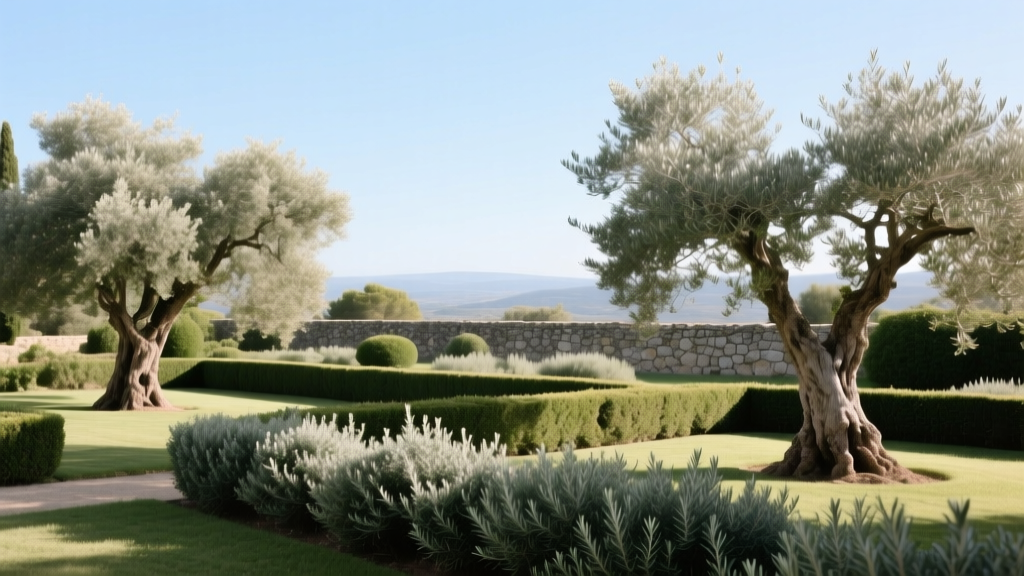
2026 Fertilizer Schedule For Olive Trees And Rosemary Hedges
David ParkPublished
The Rise of the Mediterranean Landscape in 2026
As we navigate the shifting climate patterns and increasingly stringent water restrictions of 2026, Mediterranean landscapes have surged in popularity across drought-prone regions. Homeowners and landscape architects alike are turning to resilient, drought-tolerant staples like olive trees (Olea europaea) and rosemary hedging (Salvia rosmarinus). These plants offer year-round architectural beauty, exceptional curb appeal, and a sustainable footprint. However, a common pitfall for gardeners transitioning to this style is applying traditional, high-nitrogen lawn fertilizers to these Mediterranean natives. Over-fertilizing can lead to weak, leggy growth, increased susceptibility to pests, and a severe reduction in the aromatic essential oils that make rosemary so desirable.
To cultivate a thriving, authentic Mediterranean garden this year, you must adopt a specialized approach to soil nutrition. This comprehensive guide outlines the exact fertilizer types, NPK ratios, and seasonal schedules required for olive trees and rosemary hedges in 2026.
Understanding the Mediterranean Soil Baseline
In their native habitats across Southern Europe and North Africa, olives and rosemary thrive in lean, rocky, alkaline, and exceptionally well-draining soils. They are evolutionary survivors, adapted to extracting sparse nutrients from harsh environments. According to the University of Minnesota Extension, understanding your soil's baseline pH and nutrient profile is the critical first step before applying any amendments.
For Mediterranean landscapes, your target soil pH should range between 6.5 and 8.0. If your soil is too acidic (below 6.0), nutrient lockout occurs, particularly for calcium and magnesium. Before initiating your 2026 fertilizer schedule, conduct a professional soil test. If your soil is heavy clay, prioritize drainage amendments like expanded shale or pumice over heavy organic composts, which can retain too much moisture and trigger fatal root rot diseases like Phytophthora.
Olive Tree Fertilizer Types & 2026 Schedule
Olive trees are moderate feeders. While they can survive in impoverished soils, they require targeted nutrition to produce vigorous canopy growth and, if you are growing fruiting varieties like 'Arbequina' or 'Koroneiki', a reliable harvest. The primary focus for olives is a balanced nitrogen supply, supplemented with crucial micronutrients like boron and potassium.
Recommended Fertilizer Types for Olives
- Slow-Release Granular (Organic): A balanced organic blend such as Espoma Tree-tone (4-3-4) is ideal for 2026. The slow-release mechanism prevents nutrient leaching in sandy soils and provides a steady drip of nitrogen without forcing rapid, vulnerable growth spikes.
- Liquid Kelp Extract: Products like Neptune's Harvest Liquid Kelp are excellent for foliar feeding. Kelp provides over 60 trace minerals and natural growth hormones (cytokinins) that help olive trees mitigate heat stress during peak summer months.
- Boron Supplements: If your olive tree drops its flowers before fruit set, a boron deficiency is likely the culprit. A targeted foliar spray of Solubor in late spring can correct this.
The 2026 Olive Tree Fertilizing Schedule
- Early Spring (March - Bud Break): Apply your slow-release granular fertilizer. Measure the trunk caliper (diameter) at chest height. Apply approximately 1 cup of 4-3-4 granular fertilizer per inch of caliper, scattering it evenly from the drip line inward to about 6 inches from the trunk. Water deeply immediately after application.
- Mid-Spring (May - Post-Bloom): Apply a foliar spray of liquid kelp in the early morning. This supports cellular strength and prepares the tree for summer heat.
- Summer & Fall (July onwards): STOP fertilizing. Applying nitrogen in late summer or fall encourages tender new growth that will not have time to harden off before winter temperatures drop, leading to severe frost damage.
Rosemary Hedging: The 'Less is More' Philosophy
Rosemary is notoriously sensitive to over-fertilization. As noted by The Old Farmer's Almanac, rosemary thrives on neglect when it comes to soil richness. Excessive nitrogen causes the plant to produce rapid, sappy growth that is highly attractive to sap-sucking insects like aphids and whiteflies. Furthermore, high nitrogen levels dilute the concentration of rosmarinic acid and essential oils, stripping the hedge of its signature fragrance and culinary value.
Recommended Fertilizer Types for Rosemary
- Screened Compost Top-Dressing: The best 'fertilizer' for a rosemary hedge is a light, half-inch top-dressing of fully decomposed, screened compost applied in early spring. This introduces beneficial soil microbes without overwhelming the roots with soluble salts.
- Diluted Fish Emulsion: If your rosemary hedge is showing signs of chlorosis (yellowing of older leaves), a very weak solution of fish emulsion (mixed at 1/4 the manufacturer's recommended strength) can provide a gentle nitrogen boost.
- Mycorrhizal Fungi Inoculants: In 2026, sustainable landscaping heavily relies on soil biology. Applying an Endo/Ecto mycorrhizal inoculant (such as MycoApply) at the root zone during planting or via soil drenching extends the root system's reach, allowing the rosemary to scavenge phosphorus and water from a much larger soil volume.
The 2026 Rosemary Hedge Schedule
- Early Spring (April): Apply the half-inch compost top-dressing and water it in. If using mycorrhizal fungi, apply it now while soil temperatures are warming (above 55°F).
- Mid-Summer (July): Only if the hedge appears stunted or pale, apply the 1/4 strength fish emulsion drench. Otherwise, rely solely on your irrigation schedule.
- Winter: No fertilization. Allow the plant to enter its natural dormant phase.
Comparison Chart: Olives vs. Rosemary Nutrition
| Feature | Olive Trees (Olea europaea) | Rosemary Hedges (Salvia rosmarinus) |
|---|---|---|
| Ideal NPK Ratio | Balanced (e.g., 4-3-4 or 5-5-5) | Very Low N (e.g., 1-2-2 or Compost only) |
| Primary Application | Slow-release granular at drip line | Compost top-dressing or dilute liquid |
| Annual Frequency | 1 to 2 times (Spring only) | 1 time (Early Spring only) |
| Critical Micronutrients | Boron, Potassium, Calcium | Iron (if soil pH is too high) |
| Optimal Soil pH | 6.5 - 8.0 (Tolerates high alkalinity) | 6.0 - 7.5 (Prefers slightly less alkaline) |
| Biggest Fertilizer Risk | Late-season frost damage to new growth | Root rot, leggy growth, loss of fragrance |
Sustainable Soil Amendments for 2026
The landscaping industry in 2026 is moving decisively away from synthetic, salt-based fertilizers, which degrade soil structure over time and harm local watersheds. For Mediterranean gardens, integrating biochar into the soil profile is a game-changer. Biochar is a highly porous form of charcoal that acts like a microscopic sponge. In the fast-draining sandy soils often used for rosemary and olives, biochar retains moisture and holds onto organic nutrients, preventing them from leaching away during heavy winter rains.
When top-dressing your rosemary or feeding your olives, mix your organic compost with a horticultural-grade biochar at a 10% ratio. This not only sequesters carbon in your garden but also creates a permanent habitat for the beneficial bacteria and fungi that Mediterranean plants rely on to process nutrients.
Common Fertilizing Mistakes to Avoid
- Using Lawn Fertilizer Runoff: Never plant rosemary hedges at the edge of a lawn where high-nitrogen 'weed-and-feed' products will wash into their root zones. This is the number one cause of sudden rosemary hedge collapse in residential landscapes.
- Ignoring Drainage for the Sake of Nutrition: If your olive tree is yellowing, do not immediately assume it needs nitrogen. In heavy soils, yellowing is often a symptom of suffocating roots due to poor drainage. Adding fertilizer to a waterlogged root zone will only accelerate root rot.
- Over-Mulching the Trunk: When applying compost or granular fertilizers, keep all organic matter at least 4 to 6 inches away from the actual trunk of the olive tree and the woody base of the rosemary. 'Volcano mulching' traps moisture against the bark, inviting fungal pathogens like Verticillium wilt.
Conclusion
Cultivating a Mediterranean landscape in 2026 requires a paradigm shift from the 'feed it constantly' mentality of traditional English or tropical gardens. By respecting the lean, resilient nature of olive trees and rosemary hedges, and by utilizing targeted, slow-release organic fertilizers and modern soil biology amendments like mycorrhizae and biochar, you can build a landscape that is not only breathtakingly beautiful but ecologically sustainable and exceptionally low-maintenance. Stick to the spring schedules, prioritize drainage over heavy feeding, and your Mediterranean oasis will thrive for decades to come.

