Gardening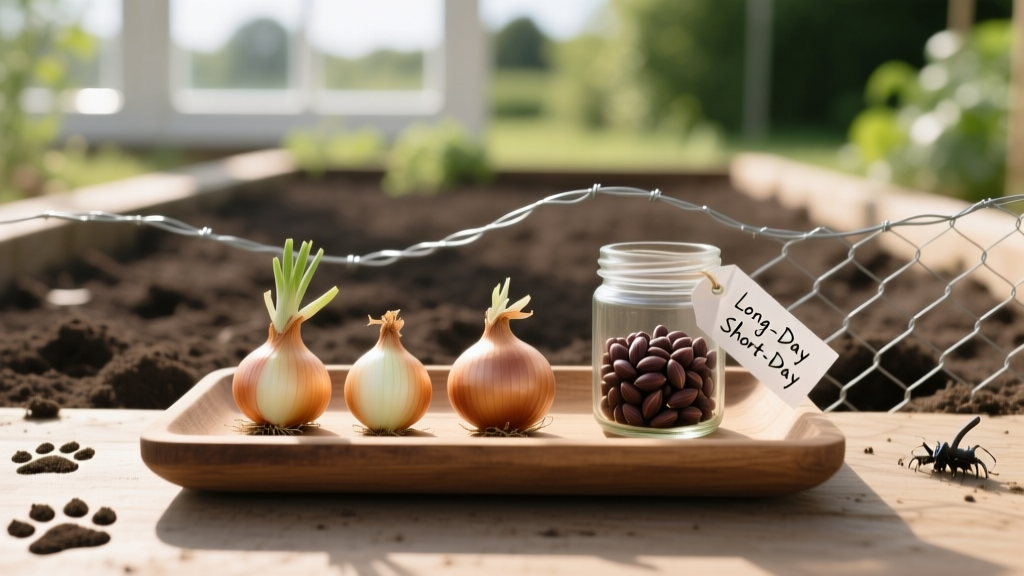
Growing Onions 2026: Sets vs Seeds & Wildlife Protection
Sarah ChenPublished
The 2026 Guide to Growing Onions: Balancing Horticulture and Wildlife Management
Welcome to the 2026 gardening season. As climate zones continue to shift and suburban wildlife populations adapt to human environments, home gardeners face a unique set of challenges. Growing onions is a rewarding endeavor, but it requires a strategic understanding of both plant biology and local yard ecology. Onions are famously pungent, which makes mature plants an excellent natural deterrent against many herbivores. However, the journey from planting to harvest is fraught with wildlife interactions. Foraging animals, scratching birds, and tunneling rodents can decimate a young onion crop before it ever establishes its signature scent.
In this comprehensive guide, we will explore the fundamental differences between growing onions from sets versus seeds, break down the science of long-day and short-day varieties, and provide actionable wildlife management strategies to protect your harvest.
The Wildlife Paradox: Deterrent vs. Target
Before diving into planting mechanics, it is crucial to understand how wildlife interacts with the Allium family. Mature onions produce thiosulfinates, the sulfur-based compounds responsible for their sharp odor and taste. According to the Old Farmer's Almanac, this strong scent is highly effective at masking the smell of more palatable crops, making onions an excellent companion plant and border deterrent for deer and rabbits.
However, the paradox lies in the early growth stages. Onion sets (small, dormant bulbs) look and smell remarkably like the grubs, roots, and bulbs that omnivorous foragers seek out in early spring. Squirrels, raccoons, skunks, and crows are notorious for digging up freshly planted onion sets. Similarly, tender onion seedlings are easily uprooted by ground-foraging birds like robins and starlings searching for earthworms. Managing this vulnerability window is the key to a successful 2026 onion harvest.
Sets vs. Seeds: Which is Best for Wildlife-Heavy Yards?
Choosing between onion sets and onion seeds is the first major decision a gardener must make. Your local wildlife pressure should heavily influence this choice.
Growing from Sets
Onion sets are partially grown bulbs that have been dried and stored. They are the most popular choice for home gardeners because they mature quickly and are generally more forgiving of less-than-ideal soil conditions.
- Pros: Faster establishment (ready to harvest in 60-80 days), easier to plant, and they outcompete weeds more rapidly.
- Wildlife Cons: Sets are highly attractive to digging mammals. Squirrels and skunks will frequently unearth them in the first two weeks after planting. Crows are also known to pull sets right out of the ground.
- Best For: Gardeners willing to invest in physical barriers like bird netting or chicken wire during the initial establishment phase.
Growing from Seeds
Starting onions from seed is more cost-effective and offers a much wider variety of cultivars, including disease-resistant hybrids developed for the 2026 market.
- Pros: Cheaper per plant, access to rare varieties, and less likely to be dug up by mammals since there is no buried bulb to attract them.
- Wildlife Cons: Seeds are sown very shallowly (1/4 inch deep). Heavy scratching by birds, or even the foraging of ground beetles and ants, can displace seeds. Seedlings remain thin and fragile for weeks, making them susceptible to being trampled by larger yard animals.
- Best For: Gardeners who can start seeds indoors or in a protected cold frame before transplanting outdoors, bypassing the most vulnerable outdoor seedling stage.
Understanding Day-Length: Long-Day vs. Short-Day Onions
Onions are photoperiodic, meaning bulb formation is triggered by the number of daylight hours. Planting the wrong type for your latitude will result in lush green tops but no usable bulbs. Furthermore, the planting schedules dictated by day-length directly impact which wildlife species will be active during your planting and harvesting windows.
According to the University of Minnesota Extension, matching your onion type to your geographic location is non-negotiable for bulb development.
| Onion Type | Latitude / Region | Daylight Trigger | Wildlife Vulnerability Window |
|---|---|---|---|
| Long-Day | Northern US / Canada (Above 35°N) | 14-16 hours | Planted early spring. High risk from spring foragers (bears, raccoons, migrating birds) turning over fresh soil. |
| Short-Day | Southern US (Below 35°N) | 10-12 hours | Planted fall/winter. Overwintering sets are highly vulnerable to hungry voles, field mice, and feral hogs. |
| Intermediate | Middle latitudes (32°N - 42°N) | 12-14 hours | Versatile planting times. Moderate risk from generalist foragers like squirrels and deer trampling beds. |
Wildlife & Yard Animal Management Strategies for Onion Growers
To ensure your 2026 onion crop survives the local fauna, you must implement proactive wildlife management techniques. Relying solely on the plant's natural odor is a mistake that will leave you with an empty garden bed.
1. Defeating the Diggers: Squirrels, Raccoons, and Skunks
These omnivores are the primary threat to onion sets. They do not necessarily want to eat the onion; they are attracted to the freshly turned, loose soil, which they associate with grubs and earthworms.
- The Hardware Cloth Solution: If you are growing in raised beds, line the bottom and lower sides with 1/2-inch galvanized hardware cloth. This prevents tunneling rodents like voles and moles from accessing the root zone.
- Surface Deterrents: After planting sets, lay a layer of prickly brush (like holly cuttings or rose prunings) or coarse bark mulch over the soil surface. Mammals dislike the feeling of sharp textures on their paws and will move to softer ground.
- Physical Exclusion: For the first three weeks after planting sets, cover the bed with 1-inch poultry netting or chicken wire, staked securely to the ground. Once the green shoots have grown through the netting and reached 4 inches tall, the sets are rooted deeply enough that mammals cannot easily pull them up.
2. Protecting Seedlings from Avian Pests
Crows, jays, and robins are notorious for pulling up young onion shoots. Robins often mistake the thin green shoots for the tops of earthworms, while crows are simply curious and destructive.
- Floating Row Covers: Use a lightweight, spun-bonded fabric like Agribon AG-19. Drape it over the bed and secure the edges with soil or landscape staples. This allows sunlight and rain to penetrate while completely hiding the seedlings from the sight of flying birds.
- Visual Deterrents: Stringing reflective Mylar tape or old CDs above the onion bed can disorient and scare away corvids during the critical first month of growth.
3. Managing Voles and Tunneling Rodents
Voles are a severe threat to overwintering short-day onions and late-season long-day bulbs. They will tunnel through the soil and hollow out the developing onion bulbs from the bottom up, often leaving the green tops looking perfectly healthy while the bulb is completely destroyed underground.
- Habitat Modification: Keep a 2-foot perimeter around your onion beds completely clear of tall grass, weeds, and heavy mulch. Voles hate crossing open, exposed ground where they are visible to hawks and owls.
- Predator Encouragement: Install a raptor perch or a barn owl box near your garden to encourage natural rodent control. A single barn owl can consume thousands of rodents in a year, significantly reducing vole pressure on your root crops.
Soil Preparation and Planting Techniques for 2026
Proper planting depth and soil structure not only promote healthy bulb formation but also play a role in wildlife deterrence. If sets are planted too shallowly, the expanding bulb will push itself out of the ground as it grows, making it an easy target for crows and squirrels.
Soil Requirements
Onions require loose, well-draining soil rich in organic matter. Heavy clay soils retain too much moisture, which can lead to bulb rot and attract moisture-seeking pests. Amend your garden beds in early 2026 with well-rotted compost, avoiding fresh manure, which can attract scavengers and introduce weed seeds.
Planting Depth and Spacing
- For Sets: Plant sets 1 to 1.5 inches deep, with the pointed tip just barely visible above the soil line. Space them 4 to 6 inches apart in rows that are 12 to 18 inches apart. Firm the soil gently around the set to eliminate air pockets that might attract digging insects or rodents.
- For Seeds: Sow seeds 1/4 inch deep. Because they are so shallow, they require consistent moisture. Using a row cover here not only protects from birds but also helps retain the soil moisture necessary for germination.
- Transplants: If you started seeds indoors, harden them off and plant them 1 inch deep, spacing them 4 inches apart.
Using Onions as a Perimeter Defense
Once your onions are established and their foliage begins to emit that classic allium scent, you can leverage them for broader yard animal management. Many gardeners in 2026 are utilizing intercropping and perimeter planting to protect more vulnerable crops. Planting a dense double-row of long-day onions around the perimeter of your tomato, pepper, or brassica beds can help mask the scent of these highly palatable vegetables from foraging deer and rabbits. While no plant is 100% deer-proof, the overwhelming olfactory confusion created by a thriving onion border is a highly effective, organic component of an integrated wildlife management strategy.
Conclusion
Growing onions in 2026 requires a dual mindset: that of a careful horticulturist and a proactive wildlife manager. By understanding the distinct advantages of sets versus seeds, selecting the correct day-length variety for your latitude, and implementing targeted physical barriers against digging mammals and scratching birds, you can secure a bountiful harvest. Remember that the vulnerability of the onion is temporary; once established, this pungent crop becomes one of your garden's greatest allies in the ongoing dance with local wildlife.
