Pest Control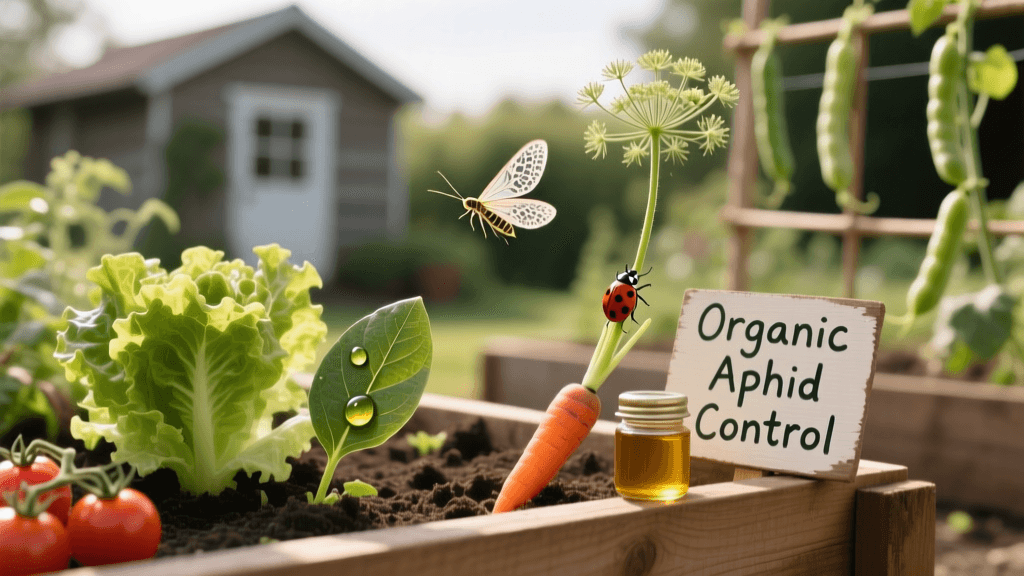
Beginner's Guide to Organic Aphid Control in Gardens
What Are Aphids and Why Do They Target Beginner Gardens?
Every beginner gardener eventually encounters the aphid. If you are growing your first vegetable garden or tending to a new flower bed, these tiny, sap-sucking insects are almost a rite of passage. Aphids are soft-bodied, pear-shaped insects that feed on the phloem of plants, extracting vital nutrients and weakening your crops. They are notorious for their rapid reproduction rates; a single female can give birth to dozens of live young per day without even needing to mate, leading to explosive population growth in a matter of days.
For beginners, an aphid infestation can feel overwhelming. You might plant beautiful, healthy tomato or pepper seedlings, only to find them covered in tiny green or black bugs a few weeks later. Fortunately, aphids are also one of the easiest pests to manage using Integrated Pest Management (IPM) and organic methods. You do not need harsh synthetic chemicals to protect your garden. According to the University of California Statewide Integrated Pest Management Program (UC IPM), aphids can be effectively managed with a combination of mechanical, biological, and low-toxicity chemical controls that are safe for your family, your pets, and the environment.
How to Identify an Aphid Infestation Early
Catching an infestation early is the key to saving your plants. Aphids come in various colors, including green, black, yellow, red, and even pink, depending on the species and the host plant. They typically measure between 1/16 and 1/8 of an inch long. Because they are small, beginners often miss them until the damage is severe.
Key Signs to Look For:
- Location: Aphids prefer tender, new growth. Check the undersides of young leaves, the tips of stems, and developing flower buds.
- Leaf Curling and Yellowing: As aphids drain the plant's sap, leaves will begin to curl, pucker, turn yellow, and eventually drop off.
- Honeydew and Sooty Mold: Aphids excrete a sticky, sugary substance called honeydew. If your plant's leaves feel sticky, or if you notice a black, powdery fungus (sooty mold) growing on the leaves, aphids are likely present.
- Ant Activity: The University of Minnesota Extension notes that ants are often attracted to honeydew. In fact, ants will actively protect aphids from predators to harvest the sweet excretion. If you see ants marching up and down your plant stems, inspect the plant closely for aphids.
The Beginner’s Action Plan for Organic Aphid Control
When you spot aphids, resist the urge to immediately reach for a broad-spectrum pesticide. These chemicals kill beneficial insects and often lead to worse pest outbreaks later. Instead, follow this step-by-step organic action plan.
Step 1: The Mechanical Water Blast (Days 1-3)
For light infestations, a strong jet of water is often all you need. Aphids are weak and cannot climb back up a plant once they are knocked off. Use a garden hose with a spray nozzle set to a sharp, focused stream. Spray the undersides of the leaves and the stems thoroughly. Do this early in the morning so the plant foliage has time to dry in the sun, reducing the risk of fungal diseases. Repeat this process every two to three days for a week.
Step 2: Insecticidal Soap and Neem Oil (Days 4-10)
If the water blast does not reduce the population, it is time to use organic sprays. Insecticidal soaps work by breaking down the protective waxy cuticle on the aphid's body, causing them to dehydrate and die. Neem oil, derived from the seeds of the neem tree, disrupts the insect's hormonal system, preventing them from feeding and reproducing.
- Store-Bought Options: Products like Safer Brand Insecticidal Soap (approx. $8-$12 for a 16 oz spray bottle) or Bonide Neem Oil Concentrate (approx. $15 for a 16 oz bottle) are widely available and beginner-friendly.
- DIY Insecticidal Soap Recipe: Mix 1 tablespoon of pure, mild liquid castile soap (like Dr. Bronner's) with 1 quart of water in a spray bottle. Do not use dish detergents or degreasers, as they will strip your plant's natural protective oils and cause leaf burn.
- Application Rules: Always spray in the early evening or on a cloudy day. Spraying oils or soaps in the heat of the midday sun will scorch your plant's leaves. Ensure you thoroughly coat the undersides of the leaves where aphids hide. Reapply every 5 to 7 days until the infestation is gone.
Step 3: Biological Control with Beneficial Insects (Long-Term)
Nature has its own pest control workforce. Ladybugs, green lacewings, and parasitic wasps are voracious aphid predators. A single ladybug can consume up to 50 aphids a day. You can attract these beneficial insects by planting nectar-rich flowers like yarrow, dill, fennel, and alyssum. Alternatively, you can purchase live ladybugs or lacewing larvae from garden centers or online suppliers (typically $15 to $25 for a batch of 1,500 ladybugs). Release them at dusk after watering your garden, as they are more likely to stay put if they have an immediate water source and are less likely to fly away in the dark.
Comparison Chart: Aphid Treatment Methods
Choosing the right method depends on the severity of your infestation and your budget. Use the table below to decide which organic control method is best for your garden.
| Method | Estimated Cost | Speed of Results | Toxicity Level | Best Used For |
|---|---|---|---|---|
| Water Blast | Free | Immediate | None | Light, early-stage infestations on sturdy plants. |
| Insecticidal Soap | $8 - $15 | 1 - 2 Days | Very Low (Safe for mammals) | Moderate infestations; requires direct contact with pests. |
| Neem Oil | $12 - $20 | 3 - 7 Days | Low (Organic certified) | Stubborn infestations; provides residual hormonal disruption. |
| Beneficial Insects | $15 - $30 | 1 - 2 Weeks | None (Beneficial) | Long-term garden balance and heavy, widespread outbreaks. |
Preventative Measures for Long-Term Garden Health
As noted by Wisconsin Horticulture, prevention is always more effective than cure. Aphids are heavily attracted to plants with high levels of nitrogen in their tissues, which results in lush, soft, green growth. Beginners often make the mistake of over-fertilizing their vegetables with high-nitrogen synthetic fertilizers. Instead, use slow-release, organic compost or balanced organic fertilizers to promote steady, healthy growth that is less appealing to sap-suckers.
Companion planting is another excellent preventative strategy. Planting strong-smelling alliums (like garlic, chives, and onions) near your susceptible crops can naturally repel aphids. Conversely, you can use "trap crops" like nasturtiums. Aphids love nasturtiums and will often flock to them, leaving your prized tomatoes and peppers alone. Once the nasturtiums are heavily infested, you can simply pull them up and compost them, removing the pests from your garden entirely.
Your Weekly Beginner Maintenance Routine
To keep aphids at bay, incorporate a simple 10-minute weekly routine into your gardening schedule:
- Inspect: Every Sunday morning, check the undersides of the leaves on your most vulnerable plants (tomatoes, peppers, kale, roses).
- Prune: If you find a single, isolated cluster of aphids on a stem tip, simply snip that tip off with your pruning shears and drop it into a bucket of soapy water.
- Encourage: Ensure your companion flowers are blooming to provide a steady habitat for predatory insects.
Gardening is a continuous learning process, and dealing with pests like aphids is a normal part of the journey. By relying on observation, mechanical force, organic sprays, and beneficial insects, you will protect your harvest while maintaining a thriving, ecologically balanced garden ecosystem.