Pest Control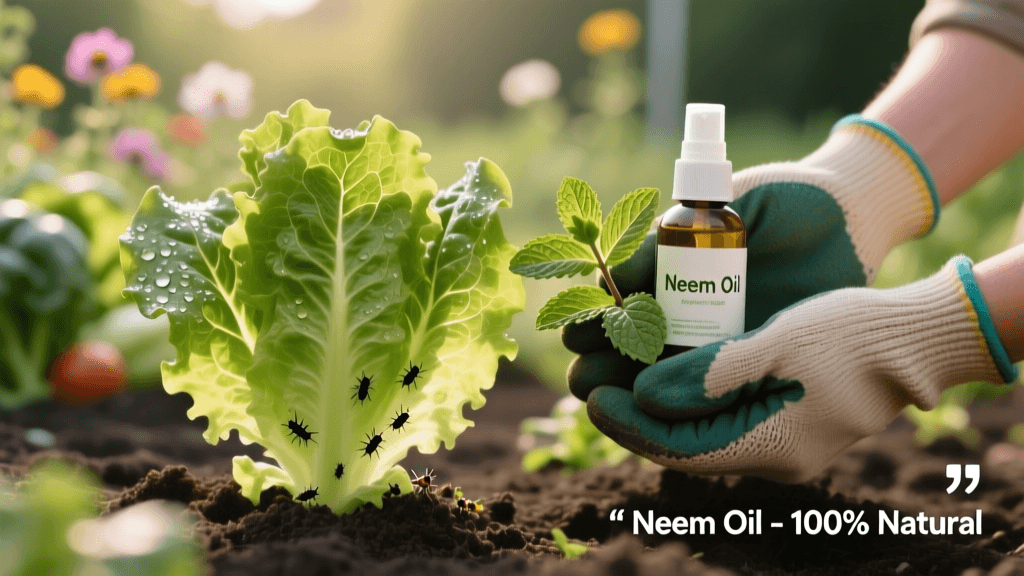
Beginner's Guide to Organic Aphid Control in Gardens
Welcome to the Garden: Meeting Your First Pests
Gardening is a deeply rewarding journey, but every beginner will inevitably face a universal rite of passage: the aphid infestation. These tiny, sap-sucking insects seem to appear out of nowhere, colonizing the tender new growth of your prized tomatoes, roses, and leafy greens. While spotting clusters of these pests can feel like a disaster for a novice grower, aphids are actually one of the easiest garden pests to manage using organic, beginner-friendly methods. By understanding their behavior and utilizing Integrated Pest Management (IPM) strategies, you can protect your garden without resorting to harsh synthetic chemicals that harm the environment and beneficial pollinators.
Understanding Your Enemy: The Aphid Life Cycle
Before you can defeat an aphid colony, you need to understand how they operate. Aphids are incredibly prolific breeders. In fact, many species reproduce through parthenogenesis, meaning females can give birth to live, already-pregnant clones without ever mating. According to the University of California Statewide Integrated Pest Management Program (UC IPM), a single female aphid can produce dozens of offspring in her short lifespan, allowing populations to explode in a matter of days when temperatures are mild (between 65°F and 80°F).
Because of this rapid life cycle, a single treatment is rarely enough. Successful organic control requires consistency, monitoring, and a multi-pronged approach that targets both the adult insects and their rapid reproductive cycle.
How to Identify an Aphid Infestation
Aphids are small, pear-shaped insects that typically measure less than a quarter-inch in length. They come in a variety of colors, including green, black, red, yellow, and even a woolly white. To spot them, inspect the undersides of leaves and the tender, newly emerging stems of your plants.
Look for these key indicators:
- Clustering: Aphids rarely travel alone. You will usually find them grouped in dense colonies on new shoots and flower buds.
- Honeydew: As they feed on plant sap, aphids excrete a sticky, sugary substance called honeydew. If your plant leaves feel unusually sticky, aphids are likely present.
- Sooty Mold: Honeydew attracts a black, powdery fungus known as sooty mold. While the mold itself doesn't infect the plant tissue, it blocks sunlight from reaching the leaves, stunting photosynthesis and plant growth.
- Ant Activity: Ants are notorious for 'farming' aphids. They protect aphid colonies from predators in exchange for harvesting the sweet honeydew. If you see a trail of ants marching up and down a plant stem, check the foliage above for aphids.
The Beginner's Action Plan: Step-by-Step Organic Control
When you first spot an infestation, resist the urge to panic or immediately reach for a broad-spectrum chemical pesticide. Instead, follow this progressive, organic treatment plan.
Step 1: The Water Blast Technique
For mild, early-stage infestations, a strong jet of water is often all you need. Aphids have weak legs and cannot climb back up a plant once they are knocked off into the soil. Equip your garden hose with a thumb-press nozzle and spray the affected plants, paying special attention to the undersides of the leaves. Do this early in the morning so the foliage has time to dry in the sun, reducing the risk of fungal diseases. Repeat this process every two to three days until the colony is gone.
Step 2: DIY Insecticidal Soap
If water isn't enough, insecticidal soap is your next line of defense. Soap works on contact by breaking down the protective waxy cuticle of the aphid's exoskeleton, causing them to dehydrate and die. You can buy commercial insecticidal soaps, or make a highly effective, budget-friendly version at home.
Beginner's Soap Recipe:
- Mix 1 tablespoon of pure, liquid castile soap (such as Dr. Bronner's Peppermint or Unscented, which costs about $15 for a 16 oz bottle and lasts for years) with 1 quart of lukewarm water.
- Pour the mixture into a spray bottle.
- Spray the aphids directly, ensuring the leaves are thoroughly coated on both the top and bottom.
- Crucial Timing: Only apply soap sprays in the early evening or on cloudy days. Spraying in direct, hot sunlight can cause severe leaf burn. Rinse the plants with plain water a few hours after application to prevent soap residue from damaging plant tissue.
Step 3: Neem Oil Applications
For stubborn or recurring infestations, cold-pressed neem oil is a powerhouse. Extracted from the seeds of the neem tree, it acts as an insecticide, miticide, and fungicide. The National Pesticide Information Center (NPIC) notes that neem oil disrupts the insect's hormonal system, preventing them from feeding, molting, and reproducing.
Neem Oil Mixing Guide:
- Combine 1 teaspoon of pure cold-pressed neem oil, 1/2 teaspoon of mild liquid dish soap (to act as an emulsifier, as oil and water don't mix), and 1 quart of warm water.
- Shake vigorously and spray all plant surfaces.
- Apply every 7 to 14 days as needed. Never apply neem oil when temperatures exceed 85°F, as it can cause phytotoxicity (plant damage).
Comparison Chart: Organic Treatment Options
| Treatment Method | Estimated Cost | Speed of Results | Best Application Time | Pros & Cons |
|---|---|---|---|---|
| Water Blast | $0 (Uses tap water) | Immediate (Physical removal) | Early Morning | Pro: Free and safe. Con: Must be repeated frequently. |
| DIY Insecticidal Soap | ~$0.50 per application | Fast (Kills on contact) | Early Evening / Overcast | Pro: Cheap and effective. Con: Can burn leaves in high heat. |
| Neem Oil | ~$1.00 per application | Moderate (Disrupts life cycle over days) | Dusk | Pro: Long-lasting, systemic properties. Con: Strong odor, harmful to bees if sprayed directly. |
| Beneficial Insects | $15 - $30 per release | Slow (Takes days to establish) | Early Evening (After watering) | Pro: Self-sustaining pest control. Con: Insects may fly away to neighbor's yard. |
Biological Control: Inviting Beneficial Insects
One of the core tenets of Integrated Pest Management is using nature to fight nature. Aphids have a massive target on their backs in the insect world; they are a favorite food source for many beneficial predators. As highlighted by the University of Minnesota Extension, lady beetles (ladybugs) and green lacewings are voracious aphid consumers. A single ladybug can eat up to 5,000 aphids in its lifetime.
Instead of buying live ladybugs online—which often fly away the moment you release them—focus on attracting native populations. Plant a diverse border of nectar and pollen-rich flowers such as yarrow, dill, fennel, cosmos, and sweet alyssum. These plants provide the necessary habitat and alternative food sources that keep beneficial insects patrolling your garden year-round.
Prevention: Cultural Practices for Long-Term Health
The best pest control strategy is a healthy, resilient plant. Aphids are naturally drawn to plants with high levels of nitrogen in their tissue, which results in the soft, succulent new growth they love to pierce.
- Avoid Excess Nitrogen: Stop using high-nitrogen synthetic fertilizers. Switch to slow-release, organic compost or balanced organic fertilizers (like a 4-4-4 NPK ratio) that promote steady, sturdy growth rather than rapid, weak flushes of foliage.
- Companion Planting: Use trap crops and repellents to your advantage. Plant nasturtiums a short distance away from your vegetable garden; aphids strongly prefer nasturtiums and will often colonize them instead of your prized crops. Conversely, interplant strong-smelling alliums (like garlic and chives) among your roses and tomatoes, as the pungent odors help mask the scent of the host plants from foraging aphids.
- Routine Scouting: Make it a habit to walk through your garden with your morning coffee. Flip over the leaves of your most susceptible plants (like kale, peppers, and roses) twice a week. Catching a colony when it consists of ten aphids is infinitely easier than dealing with a colony of ten thousand.
Final Thoughts for the Beginner Gardener
Encountering aphids does not mean you have failed as a gardener; it simply means your garden is part of a living, breathing ecosystem. By utilizing physical removal, organic soaps, neem oil, and beneficial insect habitats, you can keep aphid populations below damaging thresholds. Stick to your monitoring routines, apply your organic treatments with proper timing, and watch your garden thrive season after season.