Pest Control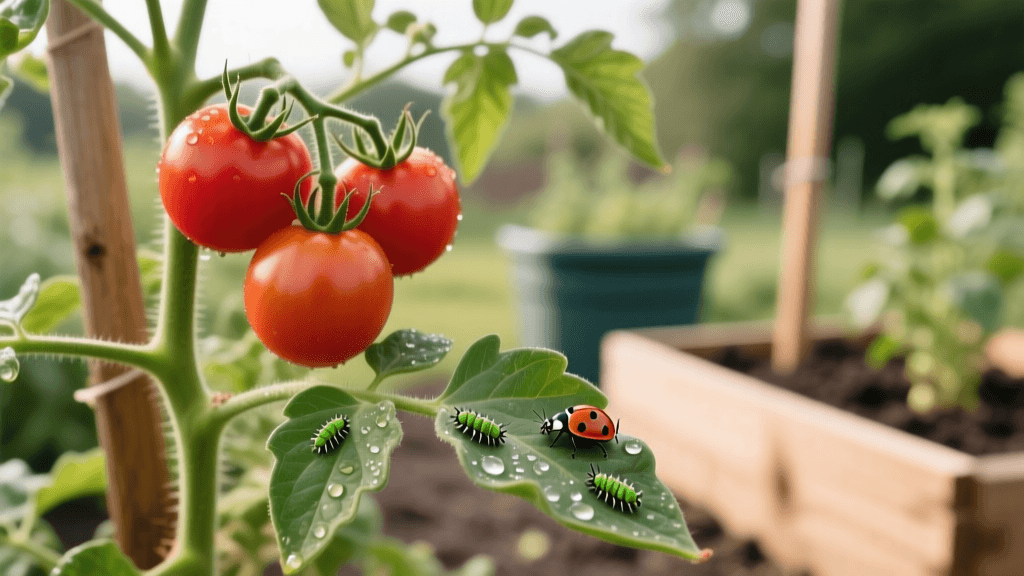
Beginner Guide To Organic Aphid Control For Tomatoes
Welcome to Tomato Growing: The Aphid Hurdle
Growing tomatoes is widely considered a rite of passage for beginner gardeners. There is nothing quite like the taste of a sun-warmed, homegrown tomato. However, as your tomato plants begin to flourish, you may notice tiny, unwelcome guests clustering on the tender new growth and the undersides of your leaves. These are aphids, and they are arguably the most common pest encountered by novice vegetable growers. Fortunately, you do not need to be a master entomologist or rely on harsh synthetic chemicals to save your crop. This beginner-friendly guide will walk you through exactly how to identify, treat, and prevent aphid infestations on your tomato plants using safe, organic, and highly effective integrated pest management (IPM) strategies.
What Exactly Are Aphids?
Aphids are tiny, soft-bodied, pear-shaped insects that feed on plant sap. They range in color from pale green and yellow to black, red, and even pink, depending on the species and their diet. According to the University of Minnesota Extension, aphids possess a remarkable and somewhat terrifying ability to reproduce asexually through a process called parthenogenesis. This means that during the spring and summer months, female aphids can give birth to live, pregnant clones without ever needing to mate. A single aphid can quickly turn into a colony of thousands in a matter of weeks, which is why early detection is absolutely critical for beginner gardeners.
These pests use their needle-like mouthparts to pierce the plant tissue and suck out the nutrient-rich phloem sap. While a few aphids will not kill a mature, established tomato plant, a severe infestation can stunt growth, cause leaf curling, and drastically reduce your overall fruit yield.
Identifying an Aphid Infestation on Tomatoes
Before you can treat the problem, you must confirm that aphids are the culprits. Here are the primary signs to look for when inspecting your tomato garden:
- Clustering on New Growth: Aphids prefer the tender, succulent new shoots at the top of the plant and the undersides of young leaves.
- Leaf Curling and Yellowing: As they drain the plant's sap, leaves may begin to pucker, curl inward, or turn a sickly yellow.
- Honeydew Secretion: Aphids excrete a sticky, sugary substance known as honeydew. If your tomato leaves feel unusually sticky or shiny, aphids are likely feeding nearby.
- Ant Activity: The University of California Integrated Pest Management (UC IPM) program notes that ants will often 'farm' aphids to harvest their honeydew. If you see a trail of ants marching up your tomato stems, inspect the plant immediately for aphid colonies.
- Sooty Mold: A black, powdery fungus called sooty mold frequently grows on the honeydew residue, blocking sunlight and impairing photosynthesis.
The Beginner’s Step-by-Step Organic Treatment Plan
When you spot your first aphids, do not panic. Follow this progressive, least-toxic treatment plan to bring the population under control without harming your plants, your soil, or local pollinators.
Step 1: The Mechanical Hose-Off Method
If the infestation is mild and localized, your garden hose is your best weapon. Aphids are incredibly weak and fragile. By using a sharp, targeted stream of water, you can physically knock the majority of the colony off the plant. Once dislodged, most aphids are unable to climb back up the stem and will simply perish on the soil surface. Perform this task early in the morning so the sun can quickly dry the foliage, reducing the risk of fungal diseases like early blight or powdery mildew.
Step 2: DIY Insecticidal Soap Application
If the water blast is not enough, or if the aphids return within a few days, it is time to deploy insecticidal soap. Soap works on contact by dissolving the waxy protective cuticle of the aphid's soft body, causing them to dehydrate and die rapidly. You can purchase commercial organic insecticidal soaps, or you can easily mix your own at home for pennies.
Beginner DIY Soap Recipe: Mix 1 tablespoon of pure liquid castile soap (such as Dr. Bronner's Unscented or Peppermint) with 1 quart of lukewarm water in a spray bottle. Shake gently to combine. Thoroughly spray the affected areas, ensuring you coat the undersides of the leaves where aphids hide. Crucial Tip: Never apply soap sprays during the heat of the day or in direct, blazing sunlight, as the soap can cause severe leaf burn. Always spray in the late afternoon or early evening.
Step 3: Neem Oil for Persistent Colonies
For stubborn infestations that survive the soap treatment, cold-pressed Neem oil is your next line of defense. Extracted from the seeds of the neem tree, this organic compound acts as an antifeedant and a growth disruptor. It stops the aphids from feeding and molting, eventually collapsing the colony. Mix 1 to 2 tablespoons of pure, cold-pressed neem oil with 1 gallon of water and a few drops of castile soap (to act as an emulsifier). Spray the entire plant every 7 to 10 days until the pests are gone.
Step 4: Biological Control with Beneficial Insects
Nature has its own pest control agents. Ladybugs, lacewings, and parasitic wasps are voracious predators of aphids. A single ladybug can consume up to 50 aphids a day. You can encourage these beneficial insects by planting a diverse array of flowering herbs and native plants near your tomatoes, or you can purchase live ladybugs and green lacewing larvae from garden centers to release directly into your garden at dusk.
Treatment Method Comparison Chart
Choosing the right intervention depends on the severity of your infestation and your available resources. Use the table below to compare your organic control options.
| Treatment Method | Estimated Cost | Effectiveness | Time to See Results | Best Used For |
|---|---|---|---|---|
| Water Hose Blast | $0 (Free) | Moderate | Immediate | Very early, small colonies |
| DIY Insecticidal Soap | Under $5 | High | 24 - 48 Hours | Moderate, visible clusters |
| Cold-Pressed Neem Oil | $10 - $15 | Very High | 3 - 7 Days | Severe or recurring infestations |
| Beneficial Insects | $15 - $30 | High (Long-term) | 1 - 2 Weeks | Prevention and ecosystem balance |
Prevention Strategies for Long-Term Success
As the old gardening adage goes, an ounce of prevention is worth a pound of cure. Keeping aphids away from your tomatoes requires a proactive approach to garden management.
Watch Your Nitrogen Levels: One of the most common mistakes beginners make is over-fertilizing their tomatoes with high-nitrogen synthetic fertilizers. Excess nitrogen promotes a rapid flush of sappy, tender green growth. This is exactly the type of tissue that aphids crave. Instead, use a balanced, slow-release organic tomato fertilizer that is higher in phosphorus and potassium to promote strong roots and fruit production rather than excessive leafy growth.
Companion Planting: Strategic planting can naturally deter pests and attract predators. Planting pungent herbs like basil, garlic, and chives near your tomatoes can help mask the scent of the tomato plants, confusing foraging aphids. Additionally, planting 'trap crops' like nasturtiums a short distance away from your vegetable beds can lure aphids away from your prized tomatoes. The Old Farmer's Almanac highly recommends utilizing trap crops as a sacrificial barrier to protect your main harvest.
Maintain Garden Hygiene: Aphids often overwinter in garden debris, weeds, and old plant matter. At the end of the growing season, clear out all dead tomato vines and fallen leaves. Keep the area around your garden beds weeded, as many common weeds like chickweed and mustards serve as early-spring hosts for aphids before they migrate to your vegetables.
Final Thoughts for the Beginner Gardener
Encountering aphids on your tomato plants is not a sign of failure; it is a normal part of the gardening experience. By staying observant, acting quickly with gentle mechanical and organic treatments, and fostering a diverse garden ecosystem, you can easily manage these pests. Stick to this beginner-friendly protocol, and you will be rewarded with a bountiful, healthy harvest of delicious homegrown tomatoes.