Pest Control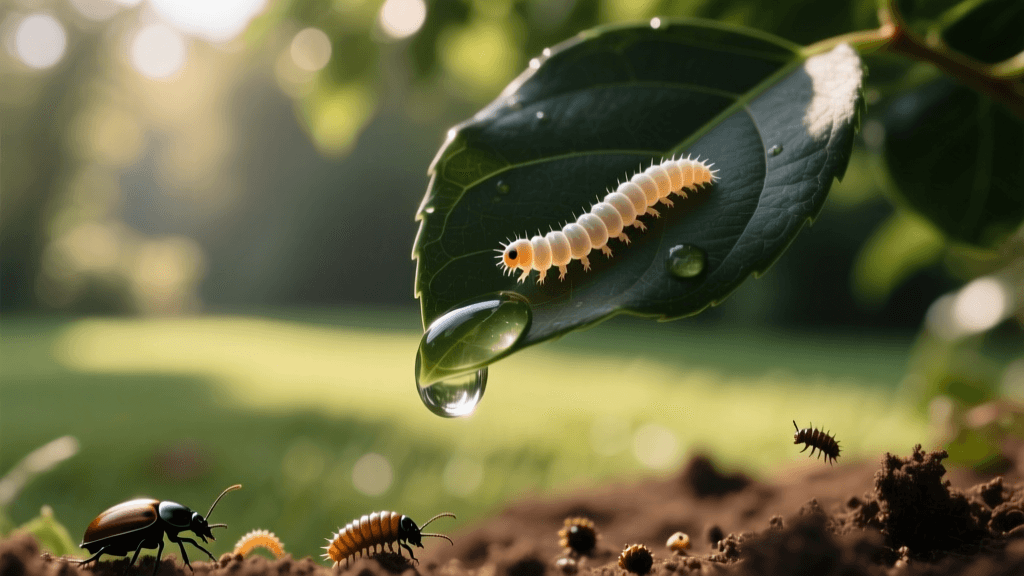
Eco-Friendly Grub Control: Using Beneficial Nematodes
The Hidden Threat Beneath Your Lawn
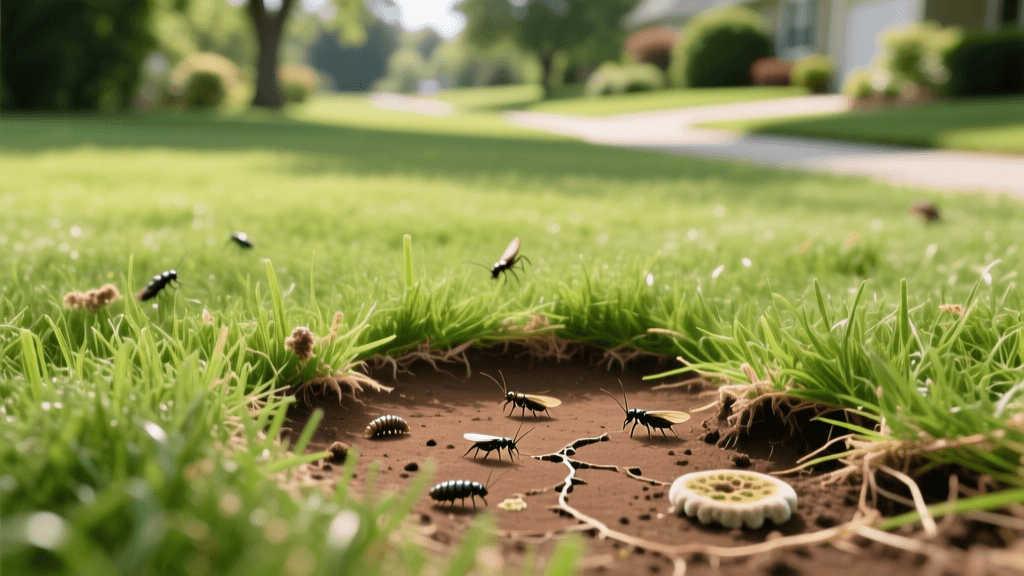
White grubs are the larval stage of various scarab beetles, including Japanese beetles, June bugs, and European chafers. Living just beneath the soil surface, these C-shaped, cream-colored pests feed aggressively on grassroots. If left unchecked, they sever the roots from the soil, leading to irregular brown patches, spongy turf, and sod that rolls back like a carpet. Furthermore, grubs attract secondary pests such as skunks, raccoons, and crows, which will tear up your lawn to feast on the larvae.
Historically, homeowners have relied on synthetic neonicotinoids and harsh organophosphates to combat grub infestations. However, these chemicals pose significant risks to local ecosystems, particularly to vital pollinator populations like bees and butterflies. They can also leach into groundwater and harm beneficial soil microbes. Fortunately, there is a highly effective, sustainable alternative: beneficial nematodes. This guide explores how to integrate these microscopic predators into your eco-friendly lawn care routine.
Identifying Grub Damage Early
Before deploying any pest control method, proper identification is crucial. Grub damage often mimics drought stress or fungal diseases. To confirm a grub infestation, perform a simple tug test on the brown patches of your grass. If the turf pulls up easily with little to no root resistance, grubs are likely the culprit. You can also cut a one-square-foot section of sod about two inches deep and peel it back. Count the grubs; finding more than five to ten grubs per square foot indicates a severe infestation that requires immediate treatment.
What Are Beneficial Nematodes?
Beneficial nematodes are microscopic, non-segmented roundworms that occur naturally in soils worldwide. For pest control, we utilize specific entomopathogenic (insect-killing) species. According to the National Pesticide Information Center (NPIC), these nematodes actively seek out insect hosts, entering them through natural body openings. Once inside, they release symbiotic bacteria that quickly kill the host insect, usually within 24 to 48 hours. The nematodes then feed on the developing bacteria and decaying host tissue, reproduce inside the cadaver, and emerge as infective juveniles to hunt for new prey.
Because they are highly specific to soil-dwelling insects, they pose absolutely no threat to humans, pets, earthworms, or above-ground beneficial insects. The Environmental Protection Agency (EPA) classifies these organisms as biopesticides, noting their exceptional safety profile and minimal environmental impact compared to synthetic alternatives.
Choosing the Right Nematode Species
Not all nematodes hunt the same prey. When targeting lawn grubs, selecting the correct species is paramount for success:
- Heterorhabditis bacteriophora (Hb): This is the gold standard for grub control. Hb nematodes are active hunters that cruise through the soil profile and are highly effective against deep-dwelling grubs like Japanese beetle and European chafer larvae.
- Steinernema feltiae (Sf): While excellent for fungus gnats and thrips, Sf is less effective against large, deep-soil scarab grubs. It is better suited for shallow-dwelling pests.
- Steinernema glaseri (Sg): Highly effective against large grubs, but commercially harder to source and more sensitive to environmental fluctuations.
For general lawn grub management, always purchase Heterorhabditis bacteriophora.
Eco-Friendly Grub Control: Step-by-Step Application Guide
Applying nematodes is fundamentally different from spraying chemical pesticides. Because you are working with living organisms, proper handling, timing, and soil preparation are critical.
1. Timing and Soil Temperature
Nematodes are most effective when grubs are young, actively feeding, and relatively close to the surface. The ideal application window is late summer to early fall (typically August through October, depending on your hardiness zone). Soil temperatures must be consistently between 60°F and 90°F. If the soil is too cold, the nematodes become dormant; if it is too hot, they will die rapidly.
2. Calculating Costs and Quantities
Beneficial nematodes are sold in concentrations measured in millions or billions. A standard package of 50 million Hb nematodes typically costs between $30 and $45. For preventative maintenance or light infestations, apply at a rate of roughly 25,000 nematodes per square foot (one 50-million pack covers about 2,000 sq ft). For heavy, active infestations, increase the rate to 50,000 to 100,000 nematodes per square foot to ensure a high encounter rate with the grubs.
3. Preparing the Lawn
Nematodes require a moist environment to move through the soil pores and locate their hosts. Mow your lawn slightly shorter than usual to allow the nematode solution to reach the soil surface. Twenty-four hours before application, water your lawn deeply. The soil should be damp, but not waterlogged or muddy.
4. Mixing and Application
You can apply nematodes using a watering can, a backpack sprayer, or a hose-end sprayer. Crucial Step: If using a pump or hose-end sprayer, you must remove all internal mesh filters and screens. Nematodes are microscopic but can still be caught by fine sprayer filters, rendering your treatment useless. Furthermore, never use highly chlorinated tap water directly from the hose. Chlorine will kill the nematodes. Instead, use rainwater, distilled water, or let your tap water sit in an open bucket for 24 hours to allow the chlorine to off-gas. Research highlighted by the University of California Integrated Pest Management (UC IPM) program emphasizes that UV light rapidly degrades nematode viability. Therefore, always mix and apply your nematode solution in the early morning, late evening, or on an overcast day to protect them from direct sunlight.
5. Post-Application Watering
Immediately after applying the nematode suspension, water the lawn lightly for 10 to 15 minutes. This washes the nematodes off the grass blades and into the thatch layer and soil where they belong. For the next 10 to 14 days, maintain consistent soil moisture by watering lightly every few days. If the soil dries out completely, the nematodes will desiccate and die before they can locate their grub hosts.
Comparison: Beneficial Nematodes vs. Synthetic Pesticides
Understanding the trade-offs between biological and chemical controls helps homeowners make informed, sustainable choices. Below is a comparison of Hb nematodes versus common synthetic grub control agents like Imidacloprid and Dylox (Trichlorfon).
| Feature | Beneficial Nematodes (Hb) | Synthetic Chemicals (Imidacloprid/Dylox) |
|---|---|---|
| Environmental Impact | Zero runoff toxicity; naturally occurring | High risk of water contamination and runoff |
| Toxicity to Pollinators | None (strictly soil-dwelling) | Highly toxic to bees and aquatic invertebrates |
| Soil Health | Promotes biodiversity; leaves soil intact | Disrupts beneficial soil microbiome |
| Cost per 5,000 sq ft | $75 - $100 (Requires higher density) | $25 - $40 |
| Application Window | Narrow (Requires specific soil temp/moisture) | Broad (Long residual activity) |
| Safety for Pets/Children | Completely safe immediately after application | Requires re-entry intervals and drying time |
Integrating Nematodes into a Holistic IPM Strategy
Beneficial nematodes are a cornerstone of Integrated Pest Management (IPM), but they work best when combined with cultural lawn care practices. A robust, deeply rooted lawn can tolerate minor grub feeding without showing visible damage. To support your nematode treatment, practice core aeration annually to reduce soil compaction, which also helps nematodes migrate deeper into the soil profile. Top-dress your lawn with organic compost to feed the soil food web, and maintain a mowing height of 3 to 4 inches to shade the soil, retaining the moisture that nematodes desperately need to survive.
Avoid using broad-spectrum chemical fertilizers or fungicides, as these can alter soil pH and salinity, creating a hostile environment for your newly introduced biological controls. If you must use a fungicide, opt for organic, biological fungicides that are proven to be compatible with entomopathogenic nematodes.
Pro Tips for Maximum Efficacy and Storage
- Check the Expiration Date: Nematodes are living creatures. Always check the package for viability dates and purchase from reputable suppliers who store them in climate-controlled warehouses.
- Refrigerate Immediately: Upon delivery, store the nematodes in a refrigerator between 35°F and 50°F. Do not freeze them, and do not leave them in a hot mailbox.
- Perform a Viability Test: Before applying, mix a small drop of the nematode solution with water on a dark surface or in a clear cup. Use a magnifying glass or your smartphone camera's macro lens to look for tiny, squirming, thread-like movements. If they are moving, they are alive and ready to hunt.
- Combine Species for Broad Control: If your lawn suffers from multiple soil pests (e.g., grubs and fungus gnats), you can safely mix Heterorhabditis bacteriophora and Steinernema feltiae in the same tank for comprehensive, eco-friendly pest management.
Conclusion
Transitioning away from synthetic pesticides is one of the most impactful choices a homeowner can make for their local ecosystem. By utilizing beneficial nematodes for grub control, you are deploying a highly targeted, naturally occurring predator that eliminates the root of the problem without collateral damage. While it requires a bit more attention to timing, soil moisture, and handling than simply spreading chemical granules, the reward is a lush, vibrant lawn that is safe for your family, your pets, and the environment. Embrace the power of biology, and let nature do the heavy lifting beneath your turf.