Lawn Care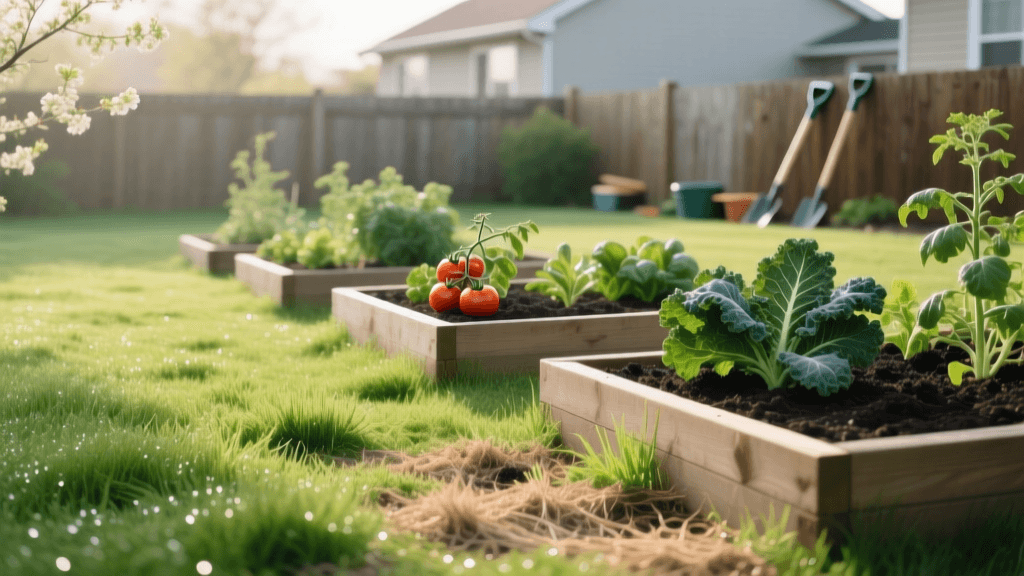
2026 Snow Mold Prevention & Lawn Recovery Near (70 chars)
The Intersection of Turf and Table: Snow Mold in 2026
As we navigate the unique weather patterns of 2026, homeowners who balance lush turfgrass with productive raised bed vegetable gardens face a distinct set of challenges. The transition zone between your manicured lawn and the soil-rich borders of your raised beds is a critical microclimate. When winter snowpack finally recedes, it often leaves behind a devastating fungal calling card: snow mold. For the raised bed vegetable gardener, managing this turf disease is not just about aesthetics; it is about protecting the ecological integrity of your food-growing spaces.
Snow mold, primarily caused by Typhula incarnata (gray snow mold) and Microdochium nivale (pink snow mold), thrives under prolonged snow cover. According to the University of Minnesota Extension, these fungi become highly active at temperatures just above freezing, feeding on grass blades and crowns. When your lawn borders your raised beds, the snow often drifts and accumulates against the wooden, composite, or stone walls of the beds. This creates a deeper, slower-melting snowbank that acts as a perfect incubator for fungal pathogens right at the edge of your vegetable garden.
In 2026, the shift toward organic, food-safe lawn care is more important than ever. You cannot simply broadcast synthetic fungicides near your raised beds without risking chemical drift, soil contamination, and harm to the beneficial mycorrhizal fungi that your vegetable crops rely on. This guide explores holistic, organic-first snow mold prevention and spring lawn recovery strategies designed specifically for the homesteader and raised bed enthusiast.
Understanding the Garden-Lawn Ecotone
The 'ecotone' is the transition area between two biomes—in this case, your turfgrass lawn and your raised bed vegetable garden. This border is highly susceptible to moisture retention. The walls of your raised beds block wind and trap moisture, creating a humid pocket where snow mold spores can overwinter and multiply. Furthermore, the turfgrass immediately adjacent to raised beds is often subjected to different irrigation patterns. Overspray from garden hoses or drip lines meant for your tomatoes and peppers can keep the bordering turf excessively wet late into the autumn, priming the grass for fungal infection before the first snow even falls.
To manage this, we must view the lawn not as a separate entity, but as an integrated part of your garden's perimeter defense. Healthy, organically managed turf acts as a buffer, preventing weed seeds from blowing into your raised beds and providing a clean, mud-free pathway for your wheelbarrow during the spring harvest.
Food-Safe Snow Mold Prevention Tactics
Prevention is the cornerstone of organic lawn care. Because synthetic chemical barriers are off the table near edible crops, we must rely on cultural practices and biological amendments to harden the turf against snow mold.
1. Late-Season Mowing and Debris Management
As autumn progresses in 2026, gradually lower your mower deck. The final mow of the season should bring cool-season grasses like Kentucky Bluegrass and Tall Fescue down to a height of 2 to 2.5 inches. Long grass blades mat down under the weight of the snow, creating the exact humid, stagnant environment that gray snow mold requires to spread. Additionally, ensure that all fallen leaves are mulched finely or raked away from the raised bed borders. A layer of wet leaves trapped against your garden beds is a guaranteed recipe for fungal outbreaks.
2. Potassium-Rich Organic Hardening
While nitrogen promotes lush, tender growth that is highly susceptible to fungal attack, potassium strengthens grass cell walls and improves cold tolerance. In early autumn, apply an OMRI-listed sulfate of potash (0-0-50) or a kelp meal amendment to the lawn surrounding your raised beds. This fortifies the turf without pushing the soft growth that snow mold feeds on. The Penn State Extension emphasizes that balanced, organic soil nutrition is the first line of defense against turf diseases.
3. Biological Fungicides
For lawns with a history of severe snow mold, preventive biological controls are a game-changer. Products containing Bacillus amyloliquefaciens or Bacillus subtilis can be applied in late fall. These beneficial bacteria colonize the grass blades and outcompete snow mold pathogens for space and nutrients. Because they are naturally occurring soil bacteria, they are entirely safe to use inches away from your raised bed vegetable soils.
Spring Recovery: Reviving Turf Without Chemical Drift
When the snow melts and reveals the telltale gray or pink crusted patches of snow mold, immediate but careful action is required. The goal is to revive the lawn without introducing toxins into your vegetable beds.
Gentle Raking and Aeration
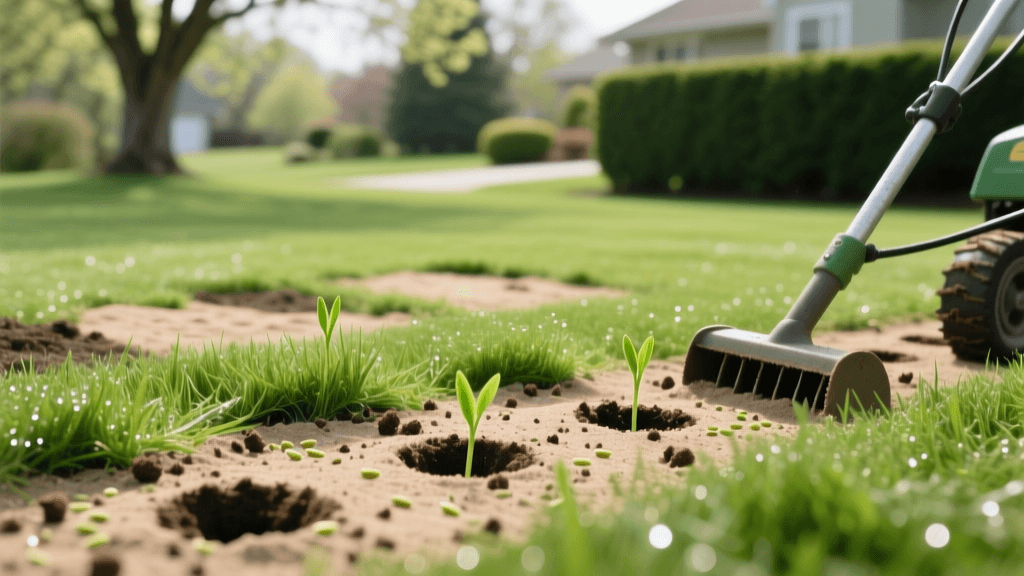
Once the lawn has dried out sufficiently to prevent soil compaction, use a flexible bamboo leaf rake to gently break up the matted, crusted grass. Avoid using heavy metal thatching rakes, which can tear the fragile, recovering crowns of the grass. This gentle raking allows, and apply a half-inch layer of high-quality, screened compost. Compost introduces beneficial microbes that actively decompose the dead fungal matter and snow mold residue, while providing a slow-release, organic nutrient source that will not leach harmful salts into your adjacent raised beds.
Overseeding with Endophyte-Enhanced Seed
If the snow mold has killed sections of the lawn near your garden borders, spring overseeding is necessary. In 2026, look for organic turfgrass seed blends enhanced with beneficial endophytes. These naturally occurring fungi live inside the grass plant and produce compounds that deter surface-feeding insects and improve drought tolerance, reducing the need for interventions that might impact your vegetable garden.
2026 Product Comparison: Turf Treatments Near Raised Beds
Choosing the right products for the lawn-garden border requires careful consideration of food safety and soil biology. Below is a comparison of common turf treatments and their suitability for use near raised bed vegetable gardens.
| Treatment Type | 2026 Product Example | Proximity to Raised Beds | Efficacy on Snow Mold |
|---|---|---|---|
| Synthetic Fungicide | Scotts DiseaseEx | Not Recommended (Drift/Leaching Risk) | High (Curative & Preventative) |
| Biological Control | Serenade Garden (Bacillus subtilis) | Highly Safe (OMRI Listed) | Moderate (Preventative) |
| Organic Soil Amendment | Espoma Organic Lawn Food | Highly Safe | Low (Focuses on overall turf vigor) |
| Potassium Supplement | Sulfate of Potash (0-0-50) | Safe (Avoid direct contact with veggie roots) | High (Preventative hardening) |
| Compost Topdressing | Local Screened Organic Compost | Highly Safe (Benefits both lawn and beds) | Moderate (Microbial competition) |
Turning Snow Mold Damage Into New Raised Bed Space
Sometimes, the best way to recover a lawn devastated by snow mold is to stop fighting the battle and expand your vegetable garden instead. If a 4x8 foot or 4x10 foot patch of turf right next to your existing garden has been completely destroyed by pink snow mold, use the spring recovery period to transition that space into a new growing area.
This is achieved through a process called sheet mulching or 'lasagna gardening.' Do not use herbicides to kill the remaining dead grass and snow mold, as these chemicals will persist in the soil and harm your future vegetable crops. Instead, mow the damaged patch as low as possible. Lay down a thick, overlapping layer of plain, uncoated corrugated cardboard directly over the damaged turf. Wet the cardboard thoroughly to initiate the decomposition process and block all sunlight.
Next, place your new raised bed—whether it is made of untreated cedar, galvanized steel, or composite lumber—directly on top of the cardboard. Fill the bed with a 2026-recommended mix of 40% topsoil, 40% organic compost, and 20% aeration material like pumice or coarse sand. The cardboard will naturally smother the snow mold and the dead grass beneath it. Over the course of the summer, the turf and fungal matter will decompose, adding rich organic matter to the native soil below, while your new raised bed provides an immediate, safe, and highly productive space for your vegetables.
Irrigation and Soil Testing for the Perimeter
To prevent snow mold from returning next winter, you must manage the moisture levels around your raised beds. The University of Maine Extension notes that proper moisture management is critical for organic turf disease prevention. Ensure that your raised bed irrigation systems, such as drip lines or soaker hoses, are not oversaturating the adjacent lawn. Install physical splash guards or adjust emitter flow rates to keep the water strictly inside the garden beds.
Furthermore, conduct a soil test on the lawn immediately bordering your raised beds. Turfgrass generally prefers a pH of 6.5 to 7.0, while many vegetable crops thrive in a slightly more acidic 6.0 to 6.8. If the lawn soil is too acidic, it weakens the grass and invites fungal pathogens. Apply organic garden lime in the spring to raise the pH of the turf border, ensuring a robust, resilient lawn that complements, rather than threatens, your raised bed vegetable garden.
Conclusion
Managing snow mold and executing spring lawn recovery in 2026 requires a nuanced approach for the raised bed vegetable gardener. By prioritizing organic amendments, biological controls, and smart cultural practices, you can maintain a beautiful, functional lawn that serves as a pristine border to your food production areas. Whether you are gently raking out gray snow mold, topdressing with microbe-rich compost, or converting damaged turf into a brand-new cedar raised bed, these integrated strategies ensure that your entire landscape thrives in harmony.