Home & Garden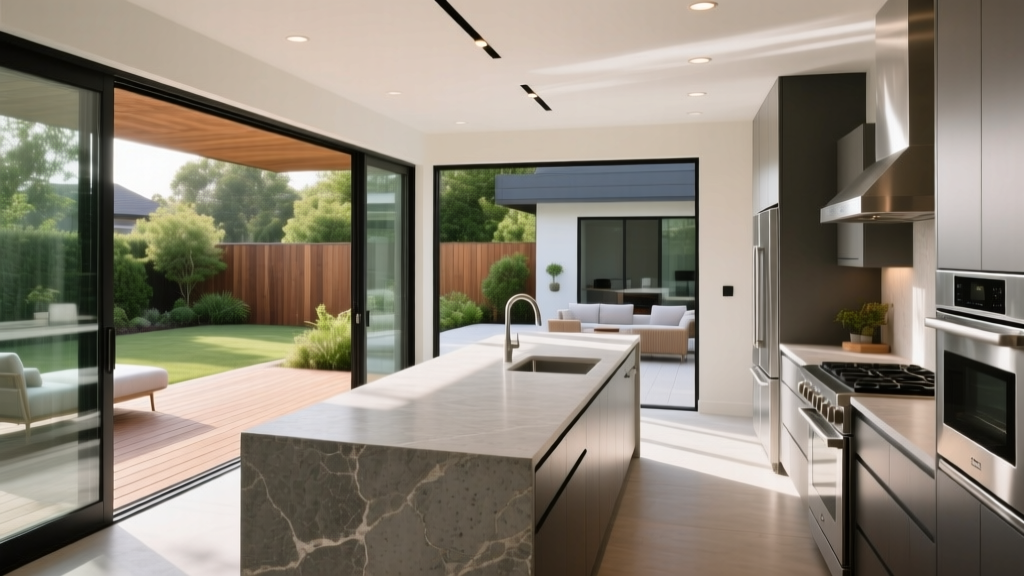
Planning An Outdoor Kitchen For Seamless Indoor Flow
David ParkPublished
The Evolution of Indoor-Outdoor Living
The boundary between the interior of your home and the natural landscape is dissolving. Homeowners are no longer satisfied with a simple charcoal grill on a concrete slab; they are seeking comprehensive outdoor living spaces that mirror the comfort, functionality, and aesthetic of their indoor kitchens. Planning an outdoor kitchen for seamless indoor flow requires a strategic approach to design, material selection, and spatial planning. According to the National Kitchen & Bath Association (NKBA), the integration of outdoor kitchens with indoor living areas remains one of the top design trends, driven by a desire for expanded entertainment space and a stronger connection to nature.
When designed correctly, an outdoor kitchen acts as a natural extension of your home. It encourages a garden-to-table lifestyle, provides an energy-efficient way to cook during hot summer months (keeping heat out of the house), and significantly boosts property value. However, achieving this seamless transition requires meticulous planning. This guide will walk you through the essential design ideas, spatial layouts, material specifications, and budgeting considerations needed to create a cohesive indoor-outdoor culinary haven.
Assessing Your Space and Architectural Alignment
The foundation of a seamless indoor-outdoor flow lies in architectural alignment. Your outdoor kitchen should not feel like an afterthought tacked onto the back of the house; it should feel like the indoor kitchen simply expanded outward. To achieve this, start by evaluating your sightlines and transition points.
Optimizing Transition Zones
The physical threshold between indoors and outdoors is critical. Consider installing multi-slide or bi-fold glass doors that completely pocket into the walls, effectively erasing the physical barrier. When the doors are open, the indoor and outdoor spaces become one continuous room. To enhance this effect, use continuous flooring. If your indoor kitchen features large-format porcelain tiles, extend that exact same material (or a highly complementary, slip-resistant outdoor-rated equivalent) onto the covered patio. This visual continuity tricks the eye into perceiving a larger, unified space.
Structural Considerations and Climate Control
To ensure your outdoor kitchen is usable year-round, you must plan for climate control. A motorized pergola, such as those offered by StruXure or Azenco, allows you to adjust the louvered roof to let in sunlight or block rain. For cooler climates, integrating infrared patio heaters or a custom masonry fireplace ensures the space remains functional well into the autumn months. The American Society of Landscape Architects (ASLA) frequently highlights the importance of structural shading and climate mitigation in their annual residential design trends, noting that covered outdoor spaces are now considered essential rather than optional.
Zoning the Outdoor Kitchen: The Work Triangle
Just like an indoor kitchen, the outdoor cooking space must adhere to ergonomic principles. The classic work triangle (connecting the sink, refrigerator, and primary cooking surface) must be adapted for the outdoors, where space is often more linear and subject to environmental factors.
Divide your outdoor kitchen into three distinct zones to maximize efficiency and traffic flow:
- The Hot Zone: This is the primary cooking area, housing the built-in gas grill, charcoal kamado (like the Big Green Egg), or wood-fired pizza oven. Ensure this zone is positioned downwind from the main seating and indoor transition areas to prevent smoke from entering the house.
- The Cold Zone: This area focuses on food storage and prep. It requires a weather-rated outdoor refrigerator (such as those by True Refrigeration or Perlick), an ice maker, and ample prep space. Positioning the cold zone near the indoor kitchen door reduces the number of trips you need to make inside for ingredients.
- The Wet Zone: Centered around the sink and beverage station. This is where cleanup happens and where guests can grab a drink without interfering with the chef. Incorporate a pull-out spray faucet and a dedicated recycling station to manage waste efficiently.
Recommended Dimensions and Clearances
Proper measurements are non-negotiable for a functional outdoor kitchen. Below is a structured guide to standard dimensions that ensure comfort and safety.
| Zone / Element | Recommended Dimensions | Design Notes |
|---|---|---|
| Primary Countertop Height | 36 inches | Standard ergonomic height for food prep and cooking. |
| Bar / Seating Height | 42 inches | Ideal for hiding prep clutter from seated guests. |
| Walkway Clearance | 48 to 60 inches | Allows multiple people to pass safely behind the grill. |
| Grill Landing Space | 12 to 18 inches | Required on both sides of the grill for platters and tools. |
| Overhead Clearance | 84 to 108 inches | Minimum distance from grill surface to combustible pergola ceilings. |
Material Selection for Visual Continuity and Durability
Outdoor kitchens face extreme temperature fluctuations, UV radiation, and moisture. Selecting materials that survive these elements while visually matching your indoor aesthetic is a primary design challenge.
Countertops
Avoid porous stones like marble or limestone, which can stain from spilled wine or acidic marinades. Instead, opt for ultra-compact surfaces like Dekton by Cosentino. Dekton is virtually indestructible, UV-resistant (meaning it will not fade in direct sunlight), and can withstand the heat of a pizza oven without scorching. For a warmer, more natural look, consider sealed granite or specialized concrete countertops that can be tinted to match your indoor island.
Cabinetry
Standard indoor MDF or wood cabinetry will warp and rot outdoors. You must invest in marine-grade polymer, powder-coated stainless steel, or specialized weatherproof wood-look cabinetry. Brands like Danver offer high-end stainless steel cabinets that can be powder-coated in hundreds of colors to match your indoor millwork. Alternatively, NatureKast provides 100% weatherproof cabinetry that uses real wood veneers encapsulated in a marine-grade resin, offering the beauty of indoor wood with the durability of outdoor plastic.
Backsplashes and Accents
To tie the outdoor kitchen to the indoor space, use the same backsplash tile in both areas. If your indoor kitchen features a zellige or subway tile backsplash, carry that exact pattern outside, ensuring you use a frost-proof, exterior-rated thin-set mortar and epoxy grout to prevent moisture intrusion and cracking during freeze-thaw cycles.
Smart Home Integration and Lighting Design
A truly seamless indoor-outdoor home leverages smart technology to bridge the two environments. Lighting plays a pivotal role in defining the space after the sun goes down.
Implement a layered lighting strategy controlled by a centralized smart hub like Lutron RadioRA or Control4. This allows you to create scenes that adjust both indoor and outdoor lights simultaneously. For example, an Entertaining scene might dim the indoor living room lights to 40%, turn on the outdoor under-cabinet LED strip lights to 80%, and illuminate the surrounding landscape uplighting to create depth.
Furthermore, integrate smart home sensors. Weather sensors can automatically close the motorized pergola louvers if rain is detected, protecting your outdoor appliances. For the surrounding garden-to-table landscaping, integrate smart irrigation controllers like the Rachio 3. This ensures your adjacent culinary herb garden receives precise, weather-adjusted watering without you needing to manually intervene, saving water and keeping your ingredients thriving. The EPA WaterSense program highly recommends smart irrigation technologies to reduce outdoor water waste, which is a crucial consideration when planning the landscaping that borders your new outdoor kitchen.
Budgeting and Timeline: What to Expect
Planning an outdoor kitchen is a significant investment. The costs can vary wildly based on the level of customization, the appliances selected, and the site preparation required. It is crucial to establish a realistic budget early in the design phase.
"A well-designed outdoor kitchen can yield a return on investment of up to 55% to 75% when selling a home, but the true value lies in the daily enhancement of your lifestyle and the expansion of your usable living square footage."
Estimated Cost Breakdown
The following table provides a general cost estimate for a mid-to-high-end outdoor kitchen (approximately 10 to 14 linear feet of cabinetry). Note that site prep, gas line trenching, and electrical work can add 15% to 25% to the total project cost.
| Component | Estimated Cost Range | Key Considerations |
|---|---|---|
| Design and Permitting | $1,500 - $4,000 | Professional 3D renderings and local building permits. |
| Cabinetry and Framing | $8,000 - $18,000 | Marine-grade polymer or powder-coated stainless steel. |
| Countertops (Dekton/Granite) | $4,000 - $9,000 | Fabrication, edge profiling, and exterior installation. |
| Appliances (Grill, Fridge, Ice) | $7,000 - $20,000+ | Premium brands like Kalamazoo, Lynx, or Hestan. |
| Plumbing and Electrical | $3,000 - $8,000 | Trenching, gas lines, GFCI outlets, and dedicated circuits. |
| Lighting and Smart Integration | $2,000 - $6,000 | LED hardscape lighting, smart hubs, and weather sensors. |
| Total Estimated Project | $25,500 - $65,000+ | Timeline: 4 to 8 weeks of active construction. |
Conclusion: Bringing the Vision to Life
Designing an outdoor kitchen for seamless indoor flow is a multifaceted process that bridges architecture, landscape design, and culinary functionality. By aligning your sightlines, utilizing continuous flooring, adhering to the outdoor work triangle, and investing in weather-resistant materials that mimic your indoor finishes, you can create a space that feels like a natural extension of your home. Integrating smart technology for lighting and adjacent garden irrigation ensures the space is not only beautiful but highly efficient. With careful planning, realistic budgeting, and the guidance of industry standards, your outdoor kitchen will become the ultimate hub for garden-to-table dining and year-round entertainment.
