Lawn Care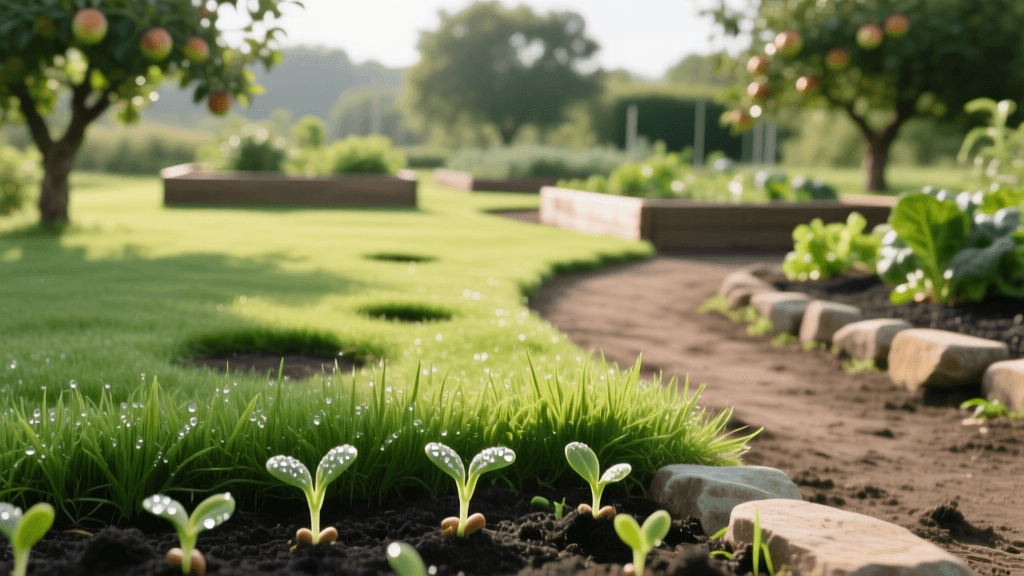
Jonathan Green Black Beauty: Overseed Thin Spots In 2026
The Intersection of Turfgrass and Edible Landscaping in 2026
As the foodscaping movement continues to redefine residential yards in 2026, homeowners are no longer hiding their vegetable gardens in the back corner behind a fence. Today, edible landscaping integrates fruit trees, berry bushes, and vibrant vegetable beds directly into the front yard and primary living spaces. However, a successful foodscape requires more than just healthy soil and quality seeds for your crops; it requires a functional, beautiful, and resilient ground cover to tie the entire design together. This is where the importance of a thick, healthy lawn comes into play, and specifically, the need to overseed thin spots with Jonathan Green Black Beauty seed.
Thin, bare spots in your lawn are not just an aesthetic nuisance; in an edible landscape, they are a functional liability. Bare soil leads to mud tracking onto your harvest, provides a breeding ground for weeds that can harbor agricultural pests, and causes soil erosion that can undermine your carefully constructed raised beds. By overseeding these problematic areas with a premium, deep-rooted turfgrass, you create pristine, mud-free pathways that make harvesting a joy while protecting your edible investments.
The Role of Pristine Turf in Modern Foodscaping
In the art of foodscaping, turfgrass acts as the "negative space" in a painting. It provides a uniform, low-growing, and texturally distinct backdrop that allows the vibrant colors of your edible plants to truly pop. Imagine the visual contrast of deep, dark green grass against the bright reds of heirloom tomatoes, the striking purples of cabbage, and the brilliant yellows of summer squash. If your lawn is riddled with thin spots, crabgrass, and bare dirt, this visual harmony is destroyed.
Furthermore, turfgrass pathways serve a vital hygienic and structural purpose. When you are walking between raised beds with a wheelbarrow full of compost or carrying baskets of harvested produce, you need a stable, clean surface. Thin spots quickly turn into muddy quagmires after a heavy rainstorm, making garden maintenance frustrating and messy. Overseeding these areas restores the structural integrity of your garden pathways and keeps your harvest clean.
Why Jonathan Green Black Beauty is the Ultimate Foodscape Turf
Not all grass seeds are created equal, especially when they are growing in close proximity to your food supply. Jonathan Green has developed the Black Beauty line to address the specific challenges of modern lawn care, making it an exceptional choice for edible landscapes for several key reasons:
- Deep Root Systems: Black Beauty tall fescue varieties are famous for their ability to grow roots up to four feet deep. This is a massive advantage in a foodscape. Because the grass pulls moisture and nutrients from deep within the subsoil, it does not compete aggressively with the shallow, fibrous root systems of your vegetables and herbs in the top 12 inches of soil.
- Natural Pest Resistance (Endophytes): According to research highlighted by the Rutgers Turfgrass Program, many premium tall fescues and perennial ryegrasses contain beneficial endophytes. These naturally occurring fungi live inside the grass plant and produce alkaloids that deter surface-feeding insects like chinch bugs and sod webworms. This natural resistance drastically reduces the need for broad-spectrum synthetic insecticides, ensuring your nearby edible crops and local pollinator populations remain safe from chemical drift.
- Unmatched Drought Tolerance: Because of those deep roots, Black Beauty requires significantly less supplemental irrigation than traditional Kentucky Bluegrass lawns. This allows you to allocate your water resources and irrigation budget toward your thirsty fruit trees and vegetable beds.
- Dark Green Aesthetics: The signature "black" green hue of this grass provides a rich, luxurious canvas that makes the colors of your edible landscape stand out brilliantly.
Step-by-Step Guide to Overseeding Thin Spots in 2026
To successfully integrate Black Beauty into your existing foodscape, follow this precise overseeding protocol designed for the 2026 growing season. The ideal times to execute this are early spring or, preferably, early fall when soil temperatures are optimal for cool-season grass germination.
Step 1: Soil Testing and Organic Preparation
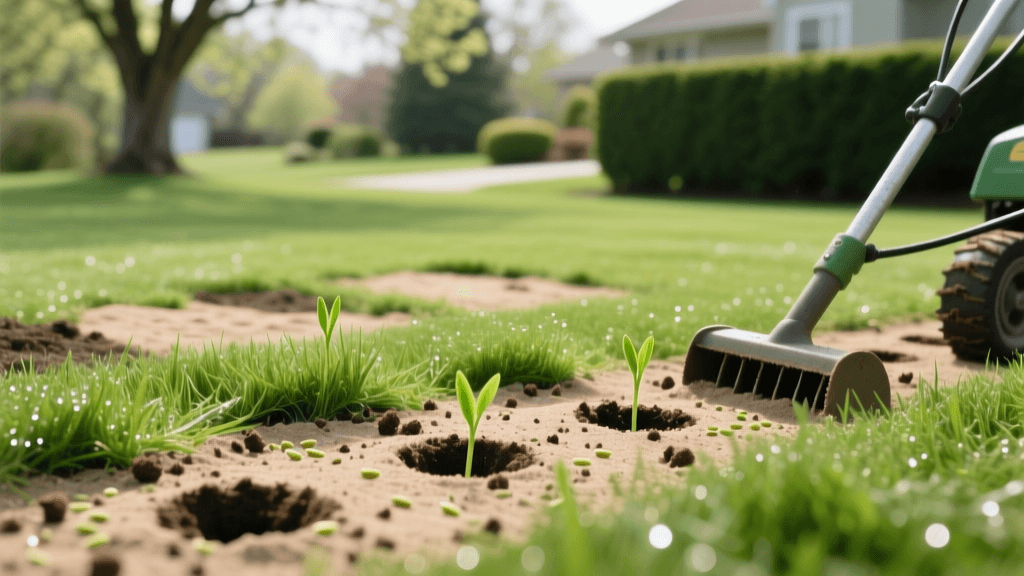
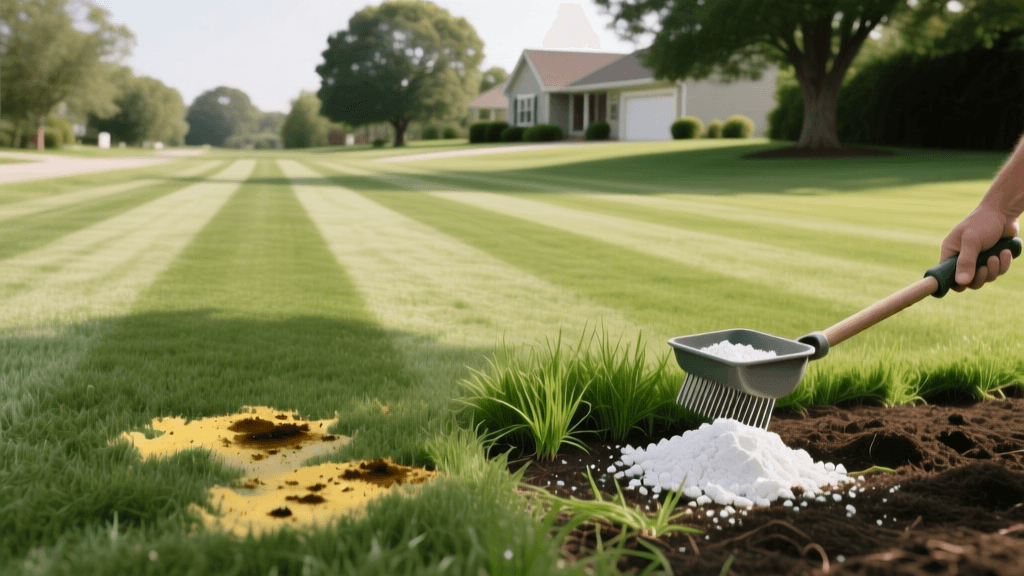
Before dropping a single seed, test the soil in your thin spots. Because these areas are near your edibles, it is highly recommended to use organic soil amendments. If the soil is compacted, perform a core aeration to relieve compaction and create small pockets for the seed to fall into. Top-dress the thin spots with a thin layer (about 1/4 inch) of screened organic compost. This provides a safe, nutrient-rich seedbed without the risk of synthetic fertilizer runoff contaminating your nearby vegetable beds.
Step 2: Mowing and Raking
Mow the existing lawn around the thin spots down to a height of about 1.5 to 2 inches. This allows sunlight to reach the new seedlings. Use a stiff garden rake or a dethatcher to vigorously scratch the surface of the bare spots, removing dead thatch and loosening the top layer of soil to ensure direct seed-to-soil contact.
Step 3: Selecting the Right Seed and Application Rates
Jonathan Green offers several variations of their Black Beauty seed. Choose the one that best fits the specific microclimate of your thin spots. Use a drop spreader near your edible beds to prevent seed from blowing into your carefully prepared garden rows.
| Product Variant | Overseeding Rate (per 1,000 sq ft) | Best Foodscape Application |
|---|---|---|
| Black Beauty Original | 3 - 4 lbs | Standard sunny pathways between raised vegetable beds. |
| Black Beauty Ultra | 4 - 5 lbs | High-traffic harvest zones, wheelbarrow paths, and fruit tree rings. |
| Black Beauty Dense Shade | 3 - 4 lbs | Thin spots underneath deciduous fruit trees and berry bush canopies. |
Step 4: Watering and Germination
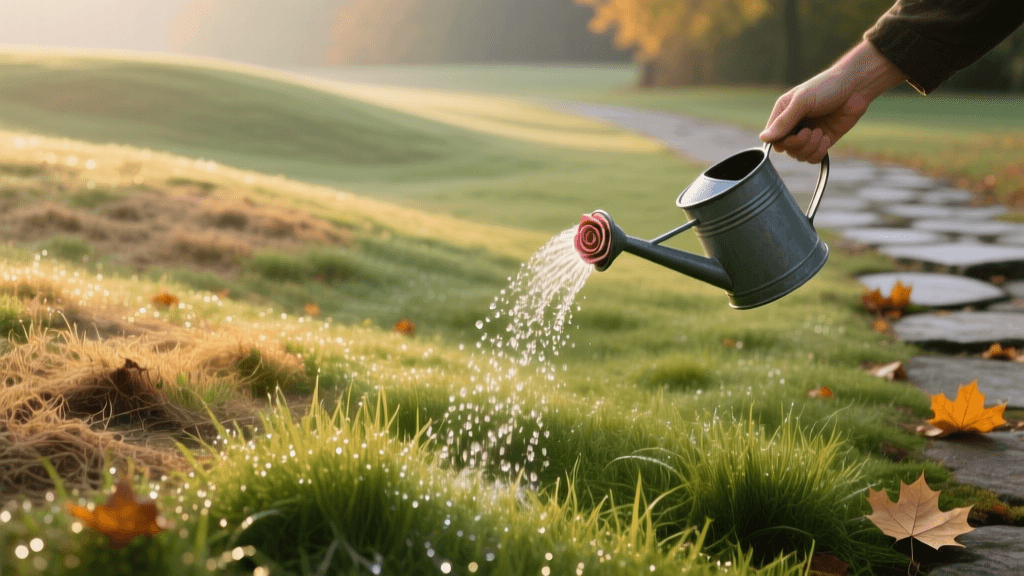
After applying the seed, water the area gently using a fine mist setting on your hose nozzle. The goal is to keep the top inch of soil consistently moist without washing the seeds away or causing mud to splash onto your nearby edible plants. Water lightly two to three times a day for the first 14 to 21 days until the seedlings are well-established. Once the grass reaches two inches, transition to deeper, less frequent watering.
Protecting Your Edibles During Lawn Renovation
When working in an integrated edible landscape, you must be hyper-aware of cross-contamination. Never use synthetic pre-emergent herbicides or broadleaf weed killers on your lawn if you are overseeding or maintaining turf near food crops. Chemical drift and soil leaching can easily contaminate your root vegetables and leafy greens.
Instead, rely on the thickness of your newly overseeded Black Beauty lawn to naturally choke out weeds. A dense turf is the best organic weed control available. If you must edge the borders between your lawn and your garden beds, use a physical barrier such as steel edging, brick, or a deep trench to prevent the aggressive deep roots of the tall fescue from creeping into your cultivated vegetable soil.
Long-Term Maintenance for a Cohesive Edible Landscape
Once your thin spots are filled in and the Black Beauty grass is established, adjust your maintenance routines to support both the turf and the garden. Set your mower deck to a height of 3 to 4 inches. Taller grass shades the soil, retaining moisture and naturally suppressing weed seeds from germinating. Furthermore, the EPA WaterSense program emphasizes that deep, infrequent watering encourages roots to grow deeper, making your lawn more resilient and freeing up your irrigation system to focus on your food crops.
Practice "grasscycling" by leaving your grass clippings on the lawn after mowing. As these clippings decompose, they return valuable organic nitrogen to the soil, feeding your turf naturally. However, be cautious not to let thick clumps of clippings blow into your garden beds, where they could mat down and smother your delicate seedlings. By maintaining a thick, dark green, and healthy lawn with Jonathan Green Black Beauty, you elevate your entire foodscaping design, creating a yard that is as functional and productive as it is breathtakingly beautiful in 2026.