Pest Control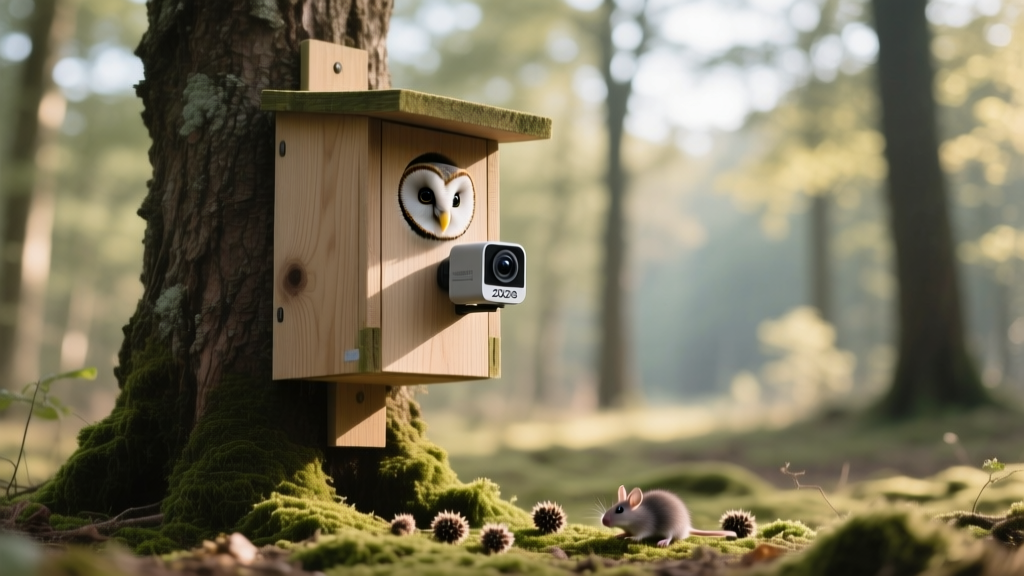
Owl Box Placement & Camera Setup For 2026 Rodent Control
James MillerPublished
The Intersection of Garden Photography and Rodent Biocontrol
As a garden photographer and organic landscaping enthusiast, few projects are as rewarding as merging wildlife documentation with integrated pest management (IPM). In 2026, the push away from toxic rodenticides has led many home gardeners and estate managers to embrace biological control. At the top of the avian predator food chain sits the Barn Owl (Tyto alba), a silent, nocturnal hunter capable of consuming thousands of rodents annually. However, successfully attracting these birds requires more than just nailing a wooden box to a tree. It requires strategic placement, an understanding of their hunting grounds, and the right photographic documentation setup to monitor their impact on your garden's pest population.
By combining optimal owl nesting box placement with modern 2026 trail camera technology and dusk photography techniques, you can create a stunning visual diary of your garden's ecosystem while naturally decimating your vole, mouse, and rat populations. Here is your comprehensive guide to setting up, documenting, and photographing your very own backyard biocontrol program.
Strategic Owl Nesting Box Placement for 2026
Before you can photograph an owl, you must ensure the habitat is inviting. According to the Barn Owl Trust, proper nest box placement is critical for both breeding success and efficient rodent hunting. Barn owls prefer to hunt over open, grassy areas where their exceptional hearing can pinpoint the rustling of small mammals beneath the vegetation.
Height and Orientation
Mount your nesting box at least 15 to 20 feet above the ground. This height provides a safe vantage point, protects the nest from ground predators like foxes or domestic cats, and allows the owls an unobstructed flight path when entering and exiting. Face the entrance hole away from prevailing winds and direct, harsh afternoon sunlight. In the Northern Hemisphere, an east or southeast-facing orientation is generally ideal, providing gentle morning warmth without the intense heat of the late afternoon.
Proximity to Hunting Grounds
For a biocontrol program to be effective, the box must be situated near the pest problem. Place the box on the edge of your property bordering rough grasslands, orchards, or overgrown margins where rodent populations thrive. Avoid placing boxes near busy roads; barn owls hunt low to the ground and are highly susceptible to vehicle strikes. From a photography standpoint, placing the box near a natural garden feature—like an old oak tree or a weathered barn—provides a much more compelling background for your daytime environmental portraits.
Documenting the Hunt: 2026 Trail Camera Technology
To prove the efficacy of your IPM strategy, you need data. Trail cameras are the ultimate tool for documenting nocturnal pest control without disturbing the wildlife. In 2026, trail camera technology has advanced significantly, offering AI-driven animal recognition, 4K night video, and ultra-fast trigger speeds that are essential for capturing the rapid, silent movements of hunting owls.
When selecting a camera for owl documentation, the type of night vision is paramount. You must use a "No-Glow" or "Black IR" camera. Standard infrared cameras emit a faint red glow when the LEDs fire, which can startle owls, cause them to abandon the nest, or trigger a defensive attack on the lens. Black IR cameras operate at a wavelength (usually 940nm) that is completely invisible to both humans and birds.
2026 Trail Camera Comparison for Nocturnal Owl Monitoring
| Camera Model (2026 Lineup) | Trigger Speed | Night Vision Type | Video Resolution | Best Use Case |
|---|---|---|---|---|
| Reconyx HyperFire 2 Covert | 0.2 Seconds | No-Glow 940nm IR | 4K UHD | Professional IPM data logging & research |
| Browning Spec Ops Elite HP4 | 0.3 Seconds | Invisible Infrared | 4K UHD | High-quality garden wildlife photography |
| Spypoint Link-Micro-Solar | 0.5 Seconds | Low-Glow (Use with caution) | 1080p HD | Budget cellular monitoring (daytime only) |
Note: For nocturnal nest monitoring, always prioritize No-Glow 940nm IR cameras to adhere to ethical wildlife photography standards.
Camera Placement and Settings for Nest Monitoring
Where you place the trail camera is just as important as the box itself. Do not mount the camera directly inside the nest box or pointing straight into the entrance hole, as this can cause severe stress to the incubating females and developing owlets. Instead, mount the camera on a nearby tree or post, approximately 10 to 15 feet away, angled slightly downward to capture the owls as they land on the entrance perch or nearby branches.
Set your camera to "Video Mode" rather than still images. A 15-second video clip triggered by motion will capture the owl arriving, the prey transfer (documenting the rodent biocontrol in action), and the subsequent departure. This visual evidence is invaluable for your garden documentation and IPM records.
Framing the Garden: Dusk Photography Techniques
While trail cameras provide the data, traditional garden photography provides the art. Barn owls typically begin their hunting routines at dusk. Capturing them in flight requires a blend of technical skill and environmental awareness. According to the Cornell Lab of Ornithology, barn owls rely on open spaces to quarter back and forth over the grass, making their flight paths somewhat predictable once you observe their habits.
Gear Recommendations for 2026
- Camera Body: A modern mirrorless body with exceptional high-ISO performance (e.g., Sony A7 IV or Canon R6 Mark III) is crucial for low-light dusk photography.
- Lens: A fast telephoto lens is mandatory. A 70-200mm f/2.8 or a 300mm f/2.8 prime lens will allow you to isolate the owl against the fading twilight sky while maintaining a fast enough shutter speed to freeze wing beats.
- Support: Use a sturdy tripod with a gimbal head. Handholding a heavy telephoto lens at 1/500th of a second in low light will result in motion blur.
Exposure Settings for Twilight
As the sun sets, light levels drop rapidly. Switch your camera to Manual mode with Auto-ISO. Set your aperture wide open (f/2.8) to gather maximum light, and keep your shutter speed at a minimum of 1/500s to freeze the owl in flight. Allow your camera's Auto-ISO to push into the 3200-6400 range; modern AI noise reduction software in 2026 can easily clean up the grain in post-processing, but it cannot fix a blurry image caused by a slow shutter speed.
Tracking Rodent Reduction: The Data Side of Documentation
The true value of combining photography with pest control lies in the data you collect. By reviewing your trail camera footage weekly, you can create a "Biocontrol Ledger." Every time an adult owl returns to the nest with a rodent in its talons, log the date, time, and prey type.
A single breeding pair of barn owls, along with their brood of 4 to 6 owlets, can consume over 3,000 rodents in a single breeding season. By documenting these deliveries via your camera trap, you generate concrete proof of your IPM program's success. This documentation is particularly useful for community gardens, vineyards, and organic farms that need to report pest management metrics to certification boards or local agricultural extensions.
Ethics, Safety, and Legal Considerations
As wildlife photographers and gardeners, our first duty is to the welfare of the animals. Barn owls are protected under various wildlife conservation laws globally. It is illegal to disturb an active nest, handle the birds, or use flash photography at the nest site.
Golden Rule of Owl Photography: If your presence or equipment causes the owl to alter its natural behavior, delay a feeding, or show signs of aggression, you are too close. Always prioritize the bird's well-being over the photograph.
Furthermore, ensure that your garden remains a safe haven. Never use secondary rodenticides (rat poisons) on your property if you are encouraging birds of prey. Secondary poisoning is a leading cause of mortality in barn owls and will completely undermine your biocontrol and photography efforts.
Conclusion
Integrating owl nesting boxes into your garden's pest management strategy is a profound way to work with nature rather than against it. By carefully considering box placement, utilizing cutting-edge 2026 no-glow trail cameras, and practicing ethical dusk photography, you transform a simple rodent problem into an opportunity for breathtaking wildlife documentation. You will not only cultivate a healthier, chemical-free garden ecosystem but also build a remarkable visual archive of the silent, ghostly hunters that patrol your grounds at night.