Pest Control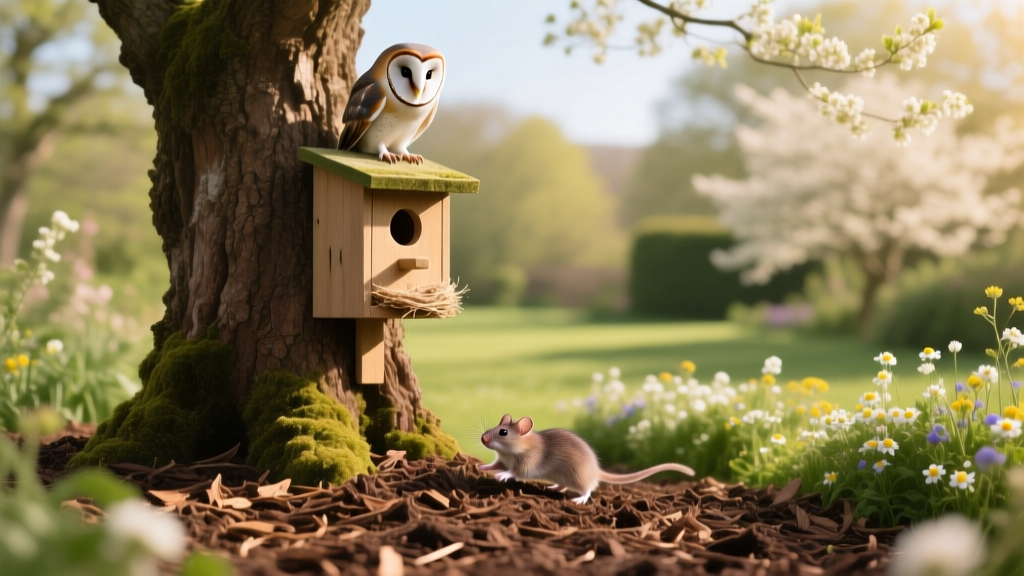
Owl Box Placement and Mulching for Rodent Control 2026
Robert HayesPublished
Introduction to Barn Owl Biocontrol and Mulch Management
As we navigate the 2026 landscaping season, the push toward sustainable, chemical-free pest management has never been stronger. With stricter regulations on second-generation anticoagulant rodenticides (SGARs) taking full effect across many regions this year, homeowners and estate managers are turning to integrated pest management (IPM) strategies that leverage natural predators. Among the most effective and fascinating of these biological control agents is the barn owl (Tyto alba). A single family of barn owls can consume upwards of 3,000 rodents in a single breeding season, making them an invaluable asset for protecting lawns, orchards, and ornamental garden beds.
However, attracting owls is only half the battle. The very environment you are trying to protect—specifically your mulched garden beds—plays a critical role in the success of this biocontrol method. Mulch is essential for soil moisture retention, temperature regulation, and weed suppression, but improper mulching methods can inadvertently create ideal breeding grounds for voles, mice, and rats. By strategically combining precise owl nesting box placement with intelligent mulch material selection and application methods, you can create a landscape that naturally suppresses rodent populations while maintaining pristine soil health. This guide explores the intersection of mulching methods and owl box placement for optimal rodent biocontrol in 2026.
Strategic Owl Nesting Box Placement in Mulched Landscapes
The placement of your barn owl box dictates not only whether a pair will nest but also how effectively they can patrol your mulched garden beds. According to guidelines endorsed by the Barn Owl Box Company, a leading authority on raptor housing, proper orientation and height are paramount for nesting success and hunting efficiency.
Height and Orientation
Mount your nesting box between 10 and 15 feet above the ground. This height provides a safe vantage point away from terrestrial predators while allowing the owls an unobstructed flight path over your garden beds. The entrance hole should face East or Southeast. This orientation protects the nest cavity from prevailing westerly winds and the harsh, overheating afternoon sun, which is especially critical during the increasingly warm spring seasons we are seeing in 2026.
The Mulch-Free Base Zone
When mounting a box to a mature tree or a dedicated wooden post, the mulching method directly beneath the box is crucial. Owls are messy tenants; the area directly below the entrance hole will accumulate 'whitewash' (droppings) and regurgitated pellets. More importantly, if you pile mulch high against the base of the mounting tree or post, you invite rodents to nest directly under the owl box. This can lead to severe girdling damage to the tree's cambium layer by voles.
Actionable Step: Create a strict 2-foot to 3-foot 'mulch-free ring' around the base of the tree or pole where the box is mounted. Use a layer of coarse gravel or simply maintain bare, compacted soil in this immediate zone. This prevents rodents from staging directly beneath the predator's nest and makes seasonal cleanup of owl pellets significantly easier.
Choosing the Right Mulch Materials to Support Hunting Corridors
Not all mulch is created equal when it comes to rodent behavior and owl hunting efficacy. Barn owls hunt primarily by sound, using their asymmetrically placed ears to pinpoint the rustling of rodents moving through vegetation or surface debris. If your mulch material allows rodents to build extensive sub-surface tunnel networks, the owls will struggle to detect and capture them.
The UC Statewide Integrated Pest Management Program frequently notes that certain organic mulches can exacerbate vole infestations if applied too thickly. To support your owl biocontrol program, you must select mulch materials that discourage tunneling and force rodents to the surface, exposing them to aerial predation.
Mulch Material Comparison Chart for Rodent Biocontrol
| Mulch Material | Rodent Harbor Risk | Owl Hunting Efficacy | Soil Health Impact |
|---|---|---|---|
| Coarse Arborist Woodchips (2-4 inch pieces) | Low | High (forces surface movement) | Excellent (slow decay, good aeration) |
| Fine Pine Straw / Needles | High (creates dense tunnel networks) | Low (muffles sound, hides prey) | Moderate (acidifies soil, mats easily) |
| Shredded Hardwood Bark | Moderate | Moderate | Good (retains moisture well) |
| Inorganic Gravel / River Rock | Very Low | High (zero canopy cover for rodents) | Poor (heat retention, soil compaction) |
| Cocoa Bean Hulls | Low | High | Moderate (toxic to dogs, mats in rain) |
Table 1: Evaluating mulch materials for integrated owl biocontrol and soil health in 2026.
As demonstrated in the chart, coarse arborist woodchips are the premier choice for mulched beds in an owl-managed landscape. Their irregular, chunky structure prevents the formation of continuous sub-surface tunnels, forcing mice and voles to scurry across the top of the mulch layer where they are easily detected by foraging barn owls.
Mulching Methods for Optimal Rodent Exposure
Selecting the right material is only the first step; how you apply that material dictates the success of your integrated pest management strategy. In 2026, landscape architects and IPM specialists are championing specific mulching techniques designed to maximize predator efficacy while maintaining plant health.
Avoid 'Volcano Mulching' at All Costs
Volcano mulching—the practice of piling mulch high against the trunk of a tree or the base of a shrub in a conical shape—is a disastrous practice for rodent control. This deep, dark, and moist environment acts as a luxury condominium for voles and deer mice. Not only does it cause the bark to rot and invite fungal pathogens, but it also provides a deep enough canopy that rodents can chew on the tree's roots and lower trunk completely hidden from the watchful eyes of owls. Always maintain a strict 2-to-3-inch maximum depth for organic mulch, and pull it back at least 6 inches from the base of all woody plants.
The 'Swiss Cheese' Mulching Technique
To further enhance owl hunting success, consider implementing the 'Swiss Cheese' method in large, continuous garden beds. Instead of laying a uniform, unbroken blanket of mulch across a massive area, leave strategic, irregular clearings of bare soil or low-growing groundcover every 15 to 20 feet. These clearings act as 'hunting lanes.' Rodents are highly agoraphobic and will naturally dart across these small gaps to reach the next patch of cover. When a vole darts across a 2-foot clearing of bare soil, it becomes an incredibly easy target for a swooping barn owl.
Integrating IPM: Mulch, Owls, and Garden Health in 2026
True integrated pest management requires looking at the entire ecosystem of your yard. Relying on barn owls means you must be hyper-vigilant about the products you introduce to your soil and mulch beds.
The Danger of Secondary Poisoning
Even with the stringent 2026 eco-safety laws restricting SGARs, some legacy rodenticides or unregulated chemical baits may still be tempting to frustrated gardeners. You must never use chemical rodenticides in an area where you are actively encouraging barn owl biocontrol. Rodents that consume sub-lethal doses of these poisons become lethargic and are easily caught by owls, transferring the fatal toxins to the raptor and its owlets. The National Audubon Society continually highlights secondary poisoning as a leading anthropogenic threat to raptor populations. By committing to an owl-box and smart-mulch strategy, you are committing to a 100% chemical-free rodent control protocol.
Pellet Management and Mulch Maintenance
A successful owl box will result in a steady accumulation of pellets (undigested bones and fur) beneath the nesting site. If your box is mounted over a garden bed, the type of mulch you use will dictate how easy it is to maintain this area. Fine compost or shredded leaves will allow pellets to sink and decompose into the soil, which can alter the localized soil pH due to the high calcium and protein content of the prey remains. Coarse woodchips, however, allow pellets to rest on the surface. You can easily rake the woodchips and pellets away once a month, relocating them to a designated composting area where the high-phosphorus pellet debris can be safely broken down for use in non-edible ornamental beds.
Summary and Action Plan for the 2026 Season
Integrating barn owl biocontrol with strategic mulching is a sophisticated, highly effective approach to modern landscape management. By aligning your mulching methods with the hunting behaviors of natural predators, you protect your plants from root-damaging rodents without resorting to toxic chemicals.
- Audit Your Mulch: Replace fine pine straw or shredded bark near vulnerable root zones with coarse arborist woodchips to eliminate sub-surface vole tunnels.
- Install the Box Correctly: Mount your barn owl box 10-15 feet high, facing Southeast, ensuring a clear flight path over your main garden beds.
- Establish Clear Zones: Maintain a 2-foot mulch-free ring around the base of the mounting tree or pole to prevent rodent staging and simplify pellet cleanup.
- Create Hunting Lanes: Use the 'Swiss Cheese' method to break up large mulch beds with small clearings, forcing rodents into the open.
- Commit to Zero Chemicals: Ban all rodenticides from your property to protect your new biological pest control agents from secondary poisoning.
By implementing these targeted strategies this year, you will foster a thriving, balanced garden ecosystem where nature does the heavy lifting of pest control, leaving your landscape healthier, safer, and more vibrant.