Gardening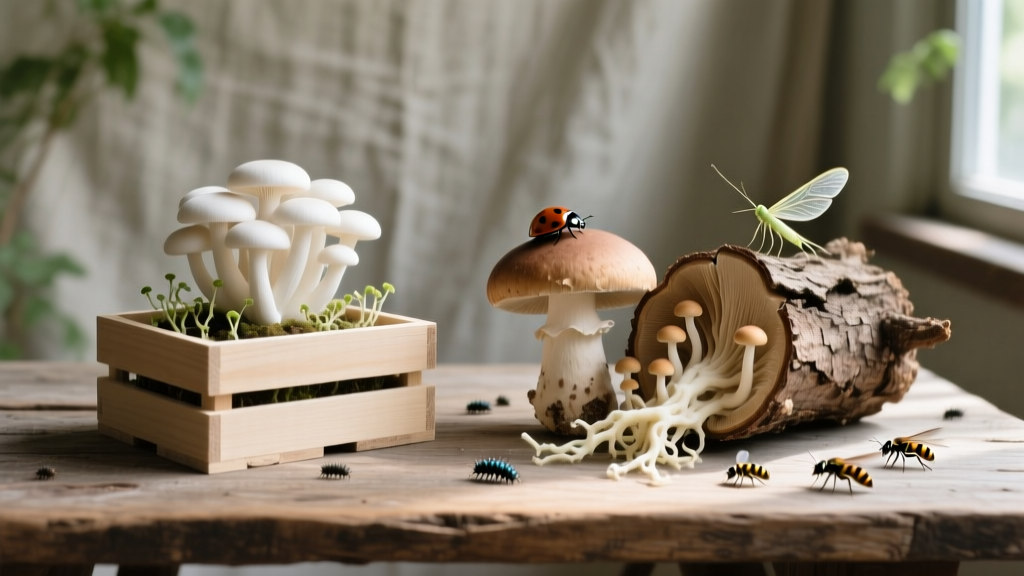
Oyster Kit vs Shiitake Log 2026: Garden Bio-Control Guide
David ParkPublished
Introduction to Mycelium and Garden Bio-Control in 2026
As home gardeners increasingly move away from synthetic pesticides, the 2026 gardening season has seen a massive surge in biological pest management. While companion planting and predatory insects like ladybugs often steal the spotlight, a quiet revolution is happening beneath the soil surface: the integration of edible fungi for natural pest control. Specifically, the debate between using an oyster mushroom growing kit versus a shiitake mushroom log is no longer just about which gourmet mushroom tastes better on the dinner plate. It is now a strategic decision regarding garden ecology, beneficial insect habitats, and soil bio-control.
Mushrooms are the fruiting bodies of vast underground mycelial networks. These networks interact deeply with soil food webs, influencing everything from microscopic nematodes to large predatory ground beetles. By understanding the distinct biological mechanisms of oyster mushroom kits and shiitake logs, you can deploy them as powerful bio-control tools in your vegetable and flower beds this year.
Oyster Mushroom Kits: The Nematode-Trapping Powerhouse
Oyster mushrooms (Pleurotus ostreatus) are famous for their aggressive, fast-growing mycelium and their ability to thrive on a variety of organic substrates. However, their most valuable trait for the organic gardener is their status as nematophagous fungi—meaning they actively hunt, trap, and consume nematodes.
While many soil nematodes are beneficial, parasitic species like the Southern root-knot nematode (Meloidogyne incognita) are devastating to tomatoes, peppers, and carrots. These microscopic worms attack plant roots, causing galls that stunt growth and reduce yields. Oyster mycelium produces specialized toxins and structural traps that paralyze and digest these parasitic nematodes, extracting nitrogen from them to fuel fungal growth.
When you purchase a standard 5-pound oyster mushroom kit in 2026, the primary goal is usually to harvest the fruiting bodies indoors or on a shaded porch. However, the true bio-control value is unlocked after the kit has finished fruiting. The 'spent' substrate block is still teeming with living, aggressive mycelium. By burying this spent block in your garden beds, you introduce a living, nematode-hunting biological agent directly into the root zone of your most vulnerable crops.
Shiitake Mushroom Logs: Creating Beneficial Insect Microhabitats
Unlike the fast-colonizing sawdust blocks of oyster kits, shiitake mushrooms (Lentinula edodes) are traditionally cultivated on whole hardwood logs, such as oak or maple. In the context of garden bio-control, shiitake logs serve a completely different, yet equally vital, ecological function: they act as permanent microhabitats for macro-level beneficial insects.
According to guidelines on fostering beneficial insects for natural pest management, predators require stable, undisturbed overwintering sites and moisture-rich shelters to thrive during the heat of summer. Shiitake logs placed in the garden provide the perfect 'beetle bank' environment.
Ground beetles (family Carabidae) are among the most voracious predators in the garden. A single ground beetle can consume dozens of slugs, snail eggs, cutworms, and aphids over its lifespan. The decaying bark and moist, shaded crevices of a fruiting shiitake log offer an ideal daytime retreat and overwintering sanctuary for these beetles, as well as for predatory spiders and rove beetles. Furthermore, as the log slowly breaks down over its 3-to-5-year lifespan, it supports populations of detritivores (like springtails and woodlice), which in turn provide a steady secondary food source for predatory insects when pest populations are low.
2026 Comparison: Oyster Kits vs. Shiitake Logs for Pest Management
Choosing between an oyster kit and a shiitake log depends entirely on the specific pest pressures in your garden and the ecological niches you wish to fill. Below is a comprehensive comparison based on 2026 market data and ecological applications.
| Feature | Oyster Mushroom Kit (2026) | Shiitake Mushroom Log (2026) |
|---|---|---|
| Primary Bio-Control Target | Parasitic Soil Nematodes | Slugs, Cutworms, Caterpillars, Aphids |
| Key Beneficial Organisms | Predatory Fungi, Soil Mites | Ground Beetles, Predatory Spiders, Rove Beetles |
| Average 2026 Cost | $35 - $45 (Pre-colonized Block) | $55 - $85 (Pre-inoculated Hardwood Log) |
| Setup Time | Immediate (Fruiting & Subsequent Burial) | 1-2 Hours (Strategic Log Placement & Shading) |
| Lifespan in Garden | 2-3 Months (Active Block), 1 Year (Soil Amendment) | 3-5 Years (Slow-Decaying Hardwood) |
| Best Garden Placement | Buried 2 inches deep in Solanaceae beds | Shaded borders, near Brassicas, Beetle Banks |
Strategic Deployment: Integrating Fungi into Your Garden Layout
To maximize the bio-control benefits of both methods, gardeners in 2026 are adopting specific deployment strategies that align with companion planting principles.
Deploying Oyster Substrate for Root Protection
After harvesting 2 or 3 flushes of oyster mushrooms from your kit, the block will stop producing fruit. Do not compost it immediately. Instead, break the spent sawdust block into large chunks. Dig a shallow trench around the base of your tomato, pepper, and eggplant plants. Place the mycelium-rich chunks directly into the soil and cover them with 2 inches of garden earth and a layer of mulch. The mycelium will immediately begin foraging through the soil, hunting root-knot nematodes and forming a symbiotic relationship with your plant roots, increasing their drought tolerance and nutrient uptake.
Positioning Shiitake Logs as Beetle Banks
Shiitake logs should not be buried; they need airflow to fruit and to maintain the proper bark integrity for insect habitats. Place your pre-inoculated logs horizontally in the shaded borders of your garden, ideally near crops that are highly susceptible to slug and caterpillar damage, such as cabbage, broccoli, and hostas. Elevate the logs slightly on small stones to prevent them from rotting too quickly on the soil surface. This creates a cool, damp underside that ground beetles will quickly colonize. At night, these beetles will emerge from beneath the logs to patrol your brassicas for pests.
Sourcing and Environmental Considerations for 2026
The mycology market has matured significantly by 2026, making high-quality, organically certified kits and logs more accessible than ever. When sourcing oyster kits, look for suppliers that use organic, pesticide-free straw or hardwood sawdust. Introducing substrates that contain residual synthetic chemicals can harm the very beneficial soil organisms you are trying to cultivate.
For shiitake logs, many regional forest stewardship programs now offer sustainably harvested, pre-inoculated oak logs. Purchasing locally sourced logs not only reduces the carbon footprint associated with shipping heavy wood but also ensures that the fungal strains are adapted to your specific regional climate and humidity levels. Always ensure that the logs are kept in a shaded, humid environment, utilizing drip irrigation or a misting system during dry summer spells to keep the beneficial insect habitats viable.
Conclusion: A Dual Approach to Garden Ecology
The choice between an oyster mushroom kit and a shiitake log is not an either/or proposition; rather, they are complementary tools in the advanced gardener's bio-control arsenal. Oyster kits offer a rapid, targeted strike against microscopic soil pests, protecting your most valuable fruiting crops from unseen nematode damage. Conversely, shiitake logs provide long-term, structural support for macro-predators, establishing a permanent residence for the beetles and spiders that keep foliar pests in check.
By integrating both mycelial systems into your 2026 garden design, you move beyond simple cultivation and step into the role of an ecosystem manager. You are not just growing mushrooms and vegetables; you are cultivating a resilient, self-regulating food web that naturally suppresses pests, reduces the need for interventions, and yields a bountiful harvest of both gourmet fungi and vibrant, healthy crops.
