Gardening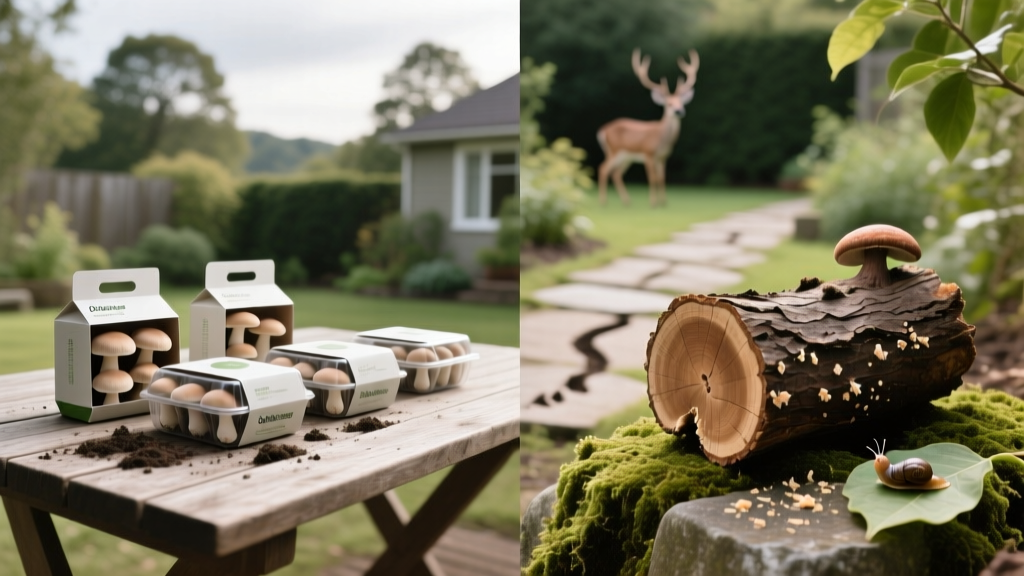
Oyster Mushroom Kits vs Shiitake Logs: 2026 Wildlife Guide
Sarah ChenPublished
Introduction to Backyard Mushroom Cultivation and Wildlife Dynamics
As urban and suburban wildlife populations continue to adapt to residential landscapes in 2026, backyard gardeners face unique challenges when integrating edible fungi into their outdoor spaces. Cultivating mushrooms is a deeply rewarding endeavor that enhances soil health and provides a sustainable food source. However, mushrooms are also a natural part of the woodland food web, making them highly attractive to a variety of yard animals, insects, and pests. When deciding between an oyster mushroom growing kit and inoculated shiitake logs, it is crucial to understand how each method interacts with local wildlife. This comprehensive guide explores the ecological footprint of both cultivation methods and provides actionable, wildlife-friendly management strategies to protect your harvest throughout the 2026 growing season.
Oyster Mushroom Kits: Fast Yields and Pest Vulnerabilities
Oyster mushrooms (Pleurotus ostreatus) are renowned for their aggressive colonization and rapid fruiting cycles. Most commercial kits available in 2026 consist of 5-pound supplemented sawdust or straw blocks that are fully colonized and ready to fruit upon arrival. These kits are typically designed for indoor cultivation but are frequently placed in shaded patios, raised garden beds, or greenhouse shelves to take advantage of natural humidity. While convenient, the biological nature of oyster kits makes them a beacon for specific types of wildlife and garden pests.
Common Wildlife and Pest Threats to Oyster Kits
The primary vulnerability of an oyster mushroom kit lies in its soft, exposed substrate and the high-moisture environment required for fruiting. As the mycelium breaks down the lignin and cellulose in the block, it releases volatile organic compounds that signal a food source to various creatures.
- Slugs and Snails: Gastropods are the most notorious destroyers of oyster mushroom pins. The soft, tender tissue of a newly forming oyster mushroom is highly palatable to slugs, which can decimate an entire flush overnight.
- Fungus Gnats (Bradysia spp.): The consistently damp surface of an outdoor oyster kit provides an ideal breeding ground for fungus gnats. While the adult flies are mostly a nuisance, their larvae feed on the mycelium, weakening the block and reducing overall yields.
- Foraging Mammals: The strong, earthy odor of a fruiting oyster block can attract opportunistic omnivores. Raccoons, opossums, and even urban rats may tear into the plastic casing of a kit, not necessarily to eat the mushrooms, but to forage for the protein-rich insect larvae and worms hiding within the moist substrate.
Shiitake Mushroom Logs: Long-Term Yard Integration
Shiitake mushrooms (Lentinula edodes) represent a long-term investment in your yard's ecosystem. Cultivation involves inoculating hardwood logs—typically oak, maple, or beech—with mycelium plugs and sealing them with wax. According to the University of Minnesota Extension, these logs can remain productive for three to five years, fruiting naturally during the spring and fall rains or when manually shocked in cold water. Because shiitake logs are designed to live outdoors in shaded, wooded edges of your property, they become semi-permanent fixtures in the local wildlife habitat.
Managing Deer, Squirrels, and Bark Beetles
Unlike the temporary nature of an oyster kit, a shiitake log must endure the full spectrum of seasonal wildlife activity. The hardwood bark and the nutrient-dense mycelium network beneath it attract a completely different suite of yard animals.
- Deer and Antler Rubbing: In late summer and early fall, male deer seek out rough surfaces to rub the velvet from their antlers. A 36-inch shiitake log resting in a shaded yard edge is the perfect height and texture for this behavior, which can strip the bark and expose the mycelium to desiccation and competing molds.
- Squirrels and Chipmunks: Tree squirrels are notorious for chewing the bark off inoculated logs. They do this to access the moisture trapped beneath the bark or to harvest the wood fibers for nesting material. Severe chewing can girdle the log and halt the internal spread of the shiitake mycelium.
- Voles and Ground Rodents: When shiitake logs are stacked directly on the soil or on low wooden pallets, the dark, damp space underneath becomes a prime winter nesting site for voles and mice. These rodents will gnaw on the log ends and consume the mycelium.
- Bark Beetles and Ambrosia Beetles: While not vertebrates, these insects are a major wildlife threat to shiitake logs. They bore into the hardwood, introducing competing fungi that can outcompete or kill the shiitake mycelium.
Head-to-Head Comparison: Oyster Kits vs. Shiitake Logs
To help you decide which cultivation method best suits your yard's specific wildlife pressure, review the comparison table below detailing the ecological and practical differences for the 2026 season.
| Feature | Oyster Mushroom Kit | Shiitake Inoculated Log |
|---|---|---|
| Substrate | Supplemented sawdust/straw block | Hardwood log (Oak, Maple, Beech) |
| Time to First Harvest | 1 to 2 weeks | 6 to 12 months |
| Lifespan | 2 to 4 flushes (approx. 2 months) | 3 to 5 years |
| Primary Wildlife Threats | Slugs, raccoons, rats | Deer, squirrels, voles |
| Primary Insect Pests | Fungus gnats, phorid flies | Bark beetles, carpenter ants |
| Ideal Yard Placement | Elevated patio, greenhouse, covered porch | Shaded woodland edge, raised crib stack |
| 2026 Average Cost | $38 - $45 per 5lb block | $65 - $85 per 36-inch log |
Wildlife-Friendly Pest Management Strategies for 2026
Managing wildlife in the garden does not require harsh chemicals or lethal traps. The Cornell Small Farms Program emphasizes integrated pest management (IPM) and ecological harmony when cultivating woodland mushrooms. By utilizing physical barriers, biological controls, and strategic placement, you can protect your fungi while maintaining a healthy yard ecosystem.
Physical Barriers and Deterrents
For shiitake logs, elevation is your first line of defense against ground-dwelling wildlife. Instead of resting logs directly on the soil or on rotting wooden pallets, elevate your log cribs using 4-inch PVC pipes or concrete cinder blocks. This removes the dark, enclosed nesting spaces that attract voles and mice. To protect the ends of the logs from squirrel chewing, wrap the terminal 3 inches of each log in 1/4-inch galvanized hardware cloth, secured with stainless steel zip ties. This allows the mycelium to breathe while preventing rodents from stripping the inoculation sites.
If deer are a persistent issue in your suburban yard, avoid placing shiitake logs near known deer trails or property edges. For high-value log stacks, erecting a simple 4-foot temporary poultry wire fence during the late-summer antler-rubbing season will deter deer without permanently altering your landscape. For oyster kits, keep them elevated at least 3 feet off the ground on sturdy shelving to discourage raccoons and rats from investigating the substrate.
Biological Controls for Insects and Gastropods
Slugs remain the ultimate nemesis of the outdoor oyster kit. Avoid traditional metaldehyde slug baits, which are highly toxic to birds, dogs, and beneficial yard wildlife. Instead, utilize iron phosphate-based baits, which are certified organic and break down into natural soil nutrients if uneaten. Additionally, applying a 2-inch band of copper tape around the legs of your oyster kit shelving creates a mild electrical reaction that deters slugs and snails from climbing up to the fruiting blocks.
To combat fungus gnats in both oyster kits and the soil surrounding shiitake logs, introduce beneficial nematodes (Steinernema feltiae) to the surrounding garden beds in early spring 2026. These microscopic, wildlife-safe organisms actively hunt and destroy gnat larvae in the soil before they can mature into flying adults. For the surface of the oyster blocks, applying a biological larvicide containing Bacillus thuringiensis israelensis (Bti) via a spray bottle will eliminate gnat populations without harming pollinators, birds, or mammals.
Conclusion
Choosing between an oyster mushroom kit and a shiitake log ultimately depends on your available space, your patience, and the specific wildlife dynamics of your yard. Oyster kits offer rapid gratification and are best suited for controlled, elevated environments where slug and gnat pressure can be managed with copper and biological controls. Shiitake logs require a long-term commitment and a harmonious integration into the shaded edges of your property, demanding robust physical barriers against deer and squirrels. By understanding the ecological signals your mushrooms send to the local food web, you can implement proactive, wildlife-friendly defenses that ensure a bountiful and sustainable harvest for years to come.
