Gardening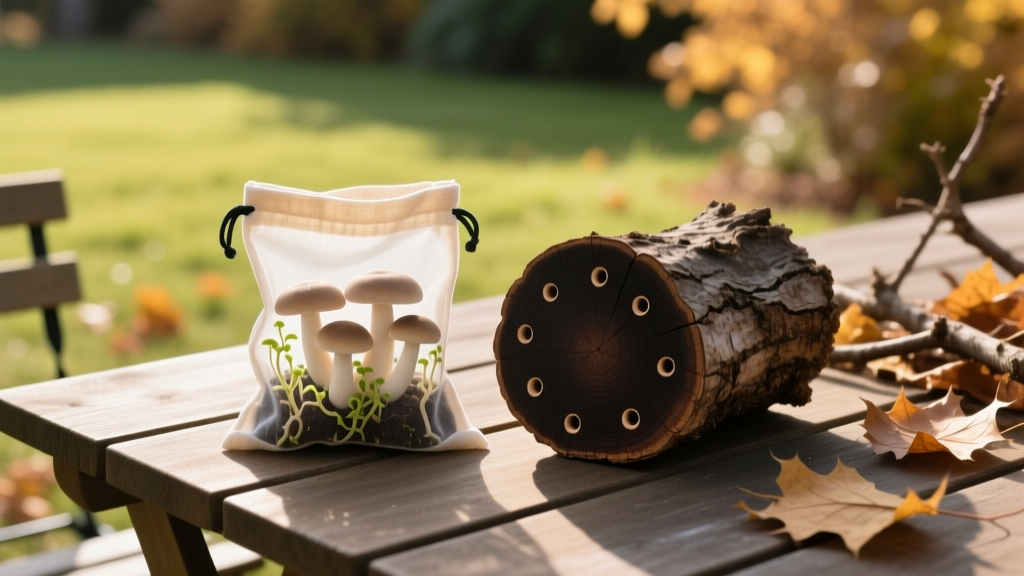
Oyster Kit vs Shiitake Log: 2026 Fall Lawn & Garden Guide
David ParkPublished
Introduction to Fall Fungi: Why Autumn is Prime Time
As the crisp air of autumn settles in, homeowners across the country are shifting their focus from summer mowing to essential fall lawn care and garden winterization. However, the transitional season of fall offers a unique, often overlooked opportunity for the modern gardener: mushroom cultivation. Specifically, the debate between using an oyster mushroom growing kit and inoculating shiitake mushroom logs is a hot topic for those looking to maximize their yard's biomass. When you prune trees, rake leaves, and aerate your lawn, you are gathering the exact raw materials needed for gourmet fungi. In this 2026 guide, we will break down the differences between oyster mushroom kits and shiitake logs, helping you decide which method best complements your autumn yard work.
The Biological Advantage of Autumn Cultivation
Fall is arguably the most biologically active season for soil and fungi. While your warm-season grasses are going dormant, the fungal network beneath your lawn is thriving on the decaying organic matter from fallen leaves and dying roots. Integrating mushroom cultivation into your fall lawn care routine is not just a fun hobby; it is a practical way to recycle yard waste. According to experts at Penn State Extension, oyster mushrooms are particularly aggressive decomposers that can break down complex lignins and cellulose found in autumn yard debris. By setting up a mushroom grow in the fall, you are closing the loop on your garden's nutrient cycle, turning waste into high-protein, gourmet food.
Oyster Mushroom Kits: The Quick Autumn Harvest
Oyster mushrooms (Pleurotus ostreatus) are the sprinters of the fungal world. For beginners and those looking for a quick return on investment, an oyster mushroom growing kit is the undisputed champion. In 2026, premium fruiting blocks from reputable suppliers typically range from $32 to $48. These kits consist of pre-colonized blocks of sterilized sawdust, soybean hulls, or straw, encased in a plastic bag with a specialized filter patch. To fruit them, you simply cut a slit in the bag, mist it twice a day, and watch as massive clusters of oysters erupt within 10 to 14 days.
From a fall lawn care perspective, oyster kits are incredibly versatile. As outdoor temperatures drop in late autumn, you can easily transition these kits to a cool basement, an attached garage, or a sheltered patio. Furthermore, you can use your fall lawn cleanup to create a secondary fruiting environment. Shredded autumn leaves, which are often bagged and sent to landfills, can be pasteurized and used as a supplementary substrate to expand your oyster mycelium. The cool, humid environment of a typical autumn evening perfectly mimics the natural fruiting conditions of wild oyster mushrooms, resulting in thicker, meatier caps compared to the delicate summer harvests.
Shiitake Mushroom Logs: The Long-Term Yard Investment
If oyster mushrooms are the sprinters, shiitake mushrooms (Lentinula edodes) are the marathon runners of the garden. Inoculating logs is a traditional, deeply rewarding method that perfectly aligns with fall tree pruning and yard cleanup. When you trim your oak, maple, or sweetgum trees before the winter freeze, you are left with fresh hardwood branches. Rather than paying for municipal brush pickup or running them through a chipper, these branches can become your shiitake logs.
According to Michigan State University Extension, fresh logs cut within the last few weeks are ideal for shiitake plug spawn. The fall season provides a natural advantage: the cooler temperatures slow down competing green molds, giving the shiitake mycelium a head start to colonize the wood before the spring thaw. You will need to drill holes into the logs, insert wooden plug spawn, and seal the holes with food-grade wax. While you will not see mushrooms this autumn, the logs will incubate over the winter and begin fruiting in the spring of 2027, continuing to produce for up to five years.
Head-to-Head Comparison: Oyster Kits vs. Shiitake Logs
Choosing between an oyster kit and a shiitake log depends on your timeline, space, and how you manage your fall yard waste. Below is a comprehensive comparison chart to help you decide which 2026 fall project is right for your garden.
| Feature | Oyster Mushroom Kit | Shiitake Mushroom Log |
|---|---|---|
| Initial Cost (2026) | $32 - $48 per block | $15 - $25 for plug spawn (logs are free from yard waste) |
| Time to First Harvest | 10 - 14 days | 6 - 12 months |
| Fall Lawn Care Synergy | High (uses shredded leaves for humidity/substrate) | Very High (uses pruned hardwood branches) |
| Space Required | Minimal (shelf, countertop, or small patio corner) | High (requires a shaded, outdoor stacking area) |
| Maintenance Level | Daily misting required during fruiting | Low (occasional soaking during dry spells) |
| Lifespan of Yield | 2 - 3 flushes over 6 weeks | 3 - 5 years of seasonal fruiting |
Integrating Fungi into Your Fall Lawn Care Routine
To truly maximize your autumn gardening efforts, consider how mushroom cultivation integrates with standard fall lawn care practices. When you perform core aeration and overseeding in early fall, you are often left with soil plugs and thatch. While this material is not ideal for direct mushroom inoculation due to soil-borne bacteria, the process of raking and clearing the lawn creates the perfect clean, shaded understory for placing your shiitake logs.
Additionally, if you are having a stump ground down or are chipping large branches, the resulting woodchips can be used to create a mushroom bed. While oysters and shiitakes prefer specific substrates, species like King Stropharia (Wine Cap) thrive in fall woodchip beds. By layering fresh woodchips from your fall cleanup with cardboard and shade, you can establish a perennial mushroom bed that improves the soil structure of your garden borders while suppressing winter weeds.
2026 Market Trends and Sourcing
The mycology market has evolved significantly by 2026, with a heavy emphasis on sustainable, localized sourcing. Shipping heavy, pre-colonized oyster blocks across the country has become cost-prohibitive for many due to rising freight rates. As a result, local micro-farms and regional agricultural extensions are offering community kit-pickup days this autumn. For shiitake plug spawn, online retailers remain the most reliable source, but ordering early in the fall is critical. Supply chains for specialized fungal strains often bottleneck in October, so securing your spawn before your fall pruning begins is a vital step in your garden planning.
Final Thoughts on Fall Fungi
Whether you opt for the immediate gratification of an oyster mushroom kit or the long-term legacy of shiitake logs, autumn is the perfect time to expand your garden's boundaries. By viewing your fall lawn care and tree pruning not as a chore, but as a resource-gathering mission, you transform your yard into a closed-loop ecosystem. The oyster kit offers a fast, delicious reward that utilizes the humidity and cool temperatures of the season, while the shiitake log turns your pruned hardwood branches into a multi-year food source. Embrace the fungi this fall, and watch as your yard waste turns into a bountiful, gourmet harvest.
