Gardening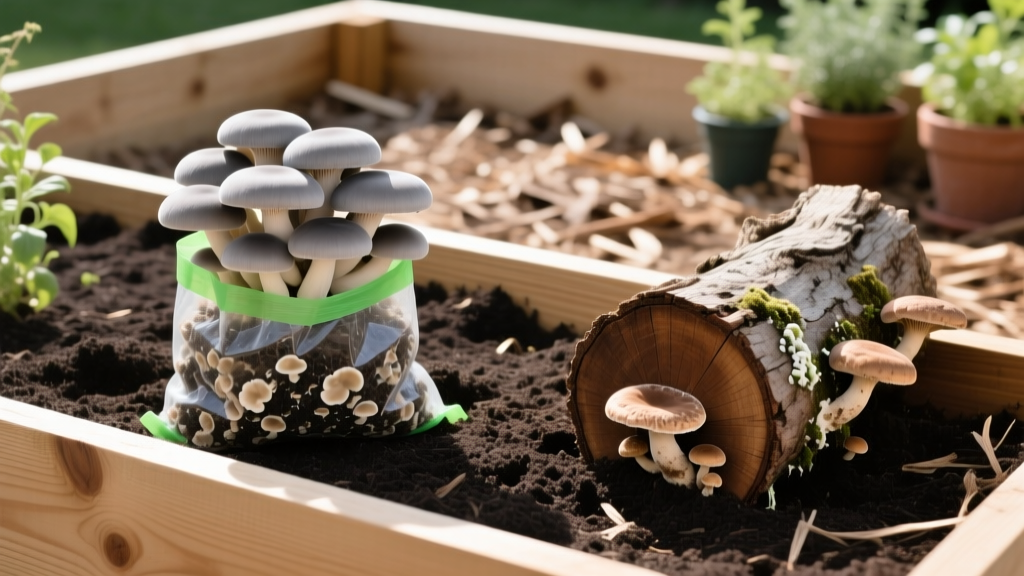
Oyster Mushroom Kits vs Shiitake Logs: 2026 Raised Bed Guide
Lisa ThompsonPublished
The Evolution of the 2026 Raised Bed Garden
As we navigate the 2026 growing season, the modern raised bed vegetable garden is no longer just about cultivating tomatoes, peppers, and leafy greens. Urban homesteaders and suburban gardeners are increasingly looking at the vertical, shaded, and marginal spaces around their raised beds to maximize overall yield and ecological diversity. One of the most exciting trends in home gardening this year is the integration of gourmet mushroom cultivation directly into the raised bed ecosystem. But when it comes to choosing your fungal companion, which method reigns supreme? In this guide, we break down the mushroom growing kit oyster mushroom vs shiitake log debate, specifically tailored for raised bed vegetable gardeners.
Integrating fungi into your garden is not just about harvesting an additional crop; it is about creating a synergistic microclimate. The daily watering routines required for lush raised bed vegetables can provide the perfect ambient humidity for fruiting mushrooms, while the structural elements of your beds can support fungal growth. Let us explore how both oyster mushroom kits and shiitake logs can be utilized, comparing their yields, costs, and practical applications in your garden layout.
Oyster Mushroom Kits: Fast Yields and Trellis Shade
Oyster mushrooms (Pleurotus ostreatus) are the undisputed champions of fast-turnaround cultivation. In 2026, commercial fruiting blocks from premium suppliers like North Spore have become more resilient and easier to manage for beginners. An oyster mushroom kit typically consists of a sterilized substrate block fully colonized by mycelium, ready to fruit within days of opening.
Integrating Oyster Kits into Raised Beds
The primary challenge with oyster mushrooms is their need for high humidity and indirect light, as direct summer sun will quickly dry out the fruiting block and halt production. This is where your raised bed infrastructure comes to the rescue. By placing your oyster mushroom kit in the understory of your raised bed trellises, you can create an ideal microclimate.
- Trellis Shading: Position the kit at the base of indeterminate tomatoes, cucumbers, or pole beans. The dense canopy of these vining vegetables provides the dappled shade that oyster mushrooms crave.
- Cold Frame Utilization: In the early spring or late autumn of 2026, use your raised bed cold frames or hoop houses to maintain the high humidity required for robust oyster flushes while protecting them from frost.
- Moisture Synergy: The evaporation from the rich, compost-heavy soil of your raised beds naturally increases the localized humidity, reducing the need to constantly mist your mushroom blocks.
Oyster kits are perfect for gardeners who want immediate gratification. A standard 5-pound block can yield up to 3 to 5 pounds of gourmet mushrooms over two or three flushes within a single month, providing a rapid return on investment before your summer vegetables even reach their peak harvest.
Shiitake Logs: The Long-Term Raised Bed Border
Shiitake mushrooms (Lentinula edodes) represent the long game in fungal cultivation. Unlike the rapid turnover of oyster kits, shiitake is traditionally cultivated on hardwood logs, such as oak or maple. While it requires more patience, integrating shiitake logs into your raised bed landscaping offers incredible structural and aesthetic benefits.
Using Shiitake Logs as Garden Infrastructure
In 2026, many advanced gardeners are moving away from synthetic landscape timbers and treated lumber, opting instead for natural, multi-purpose borders. Inoculated shiitake logs can serve as functional retaining walls, bed borders, or even shade structures.
- Raised Bed Borders: Stack inoculated logs along the north-facing side of your raised beds. This prevents the logs from casting unwanted shade on your sun-loving vegetables while utilizing the moisture runoff from the bed to keep the logs hydrated.
- Soil Moisture Retention: As the logs slowly decompose over their 3 to 5-year lifespan, they act as a massive sponge, absorbing excess water from your raised beds during heavy rains and slowly releasing it back into the surrounding soil during dry spells.
- Sourcing Quality Spawn: To ensure success, source your shiitake plug spawn or pre-inoculated logs from reputable specialists like Field & Forest Products, which offers strains specifically bred for varying 2026 climate zones.
Shiitake logs require a longer incubation period, typically taking 6 to 12 months before their first fruiting. However, once established, a well-maintained log can produce reliable harvests every spring and autumn for up to five years, making it a permanent fixture in your garden's permaculture design.
Head-to-Head Comparison: Oyster Kits vs. Shiitake Logs
To help you decide which fungal method best complements your raised bed vegetable garden, we have compiled a comprehensive comparison chart based on 2026 market data and horticultural practices.
| Feature | Oyster Mushroom Kit | Shiitake Hardwood Log |
|---|---|---|
| Time to First Harvest | 1 to 3 weeks | 6 to 12 months |
| Total Lifespan | 2 to 3 months | 3 to 5 years |
| 2026 Average Cost | $28 - $35 per block | $120 - $150 (setup for 5 logs + spawn) |
| Yield Volume | High, rapid flushes | Moderate, seasonal flushes |
| Raised Bed Role | Understory crop, trellis companion | Structural border, retaining wall |
| Maintenance Level | High (daily misting required) | Low (occasional soaking during droughts) |
| End-of-Life Use | Excellent compost amendment | Hugelkultur base, slow-release mulch |
Synergizing Fungi and Vegetables: Soil Health and Composting
One of the most profound benefits of integrating mushrooms into your raised bed vegetable garden is the impact on soil health. The relationship between mycelium and plant roots is a cornerstone of organic gardening, and managing the lifecycle of your mushroom projects can drastically improve your vegetable yields.
Composting Spent Oyster Blocks
Once an oyster mushroom kit has exhausted its fruiting potential, you are left with a 'spent block'—a brick of mycelium-colonized sawdust and soybean hulls. Do not throw this away! According to research highlighted by the Cornell University Small Farms Program, spent mushroom substrate (SMS) is an incredibly valuable soil amendment. The mycelium has already broken down complex lignins, making the remaining organic matter highly bioavailable.
In late autumn, crumble the spent oyster blocks directly into the top few inches of your raised beds. As the mycelium continues to work through the winter, it improves soil structure, increases water retention, and introduces beneficial microbes that will help suppress soil-borne pathogens. By the time you plant your spring tomatoes in 2026, the spent substrate will have transformed into rich, dark humus.
The Hugelkultur Effect of Spent Shiitake Logs
When your shiitake logs finally succumb to rot after five years of production, they become the perfect foundation for a Hugelkultur mound. You can bury the decomposing logs at the base of a new raised bed. As the dense wood continues to break down, it will act as a long-term fertilizer and a massive water reservoir, significantly reducing the irrigation needs of your deep-rooted vegetables like squash and melons during the peak heat of summer.
Planning Your 2026 Fungal Integration Strategy
When designing your garden layout for the year, consider your personal gardening style and the physical footprint of your raised beds. If you have a smaller urban garden with limited space and a desire for quick culinary rewards, oyster mushroom kits are the superior choice. They tuck neatly beneath trellises, utilize wasted shaded space, and provide a rapid turnaround that aligns perfectly with the fast-paced nature of annual vegetable gardening.
Conversely, if you are managing a larger suburban or rural homestead and are currently building or expanding your raised beds, investing in shiitake logs is a brilliant strategic move. By using the logs as the physical borders of your beds, you eliminate the need to purchase costly cedar or composite lumber, while simultaneously establishing a perennial mushroom patch that will reward you for half a decade.
Final Thoughts for the Home Grower
The debate of mushroom growing kit oyster mushroom vs shiitake log is not necessarily about which is objectively better, but rather which serves the specific ecological and structural needs of your raised bed garden. In 2026, the most successful gardeners are those who view their garden not as a collection of isolated crops, but as an interconnected web of life. By welcoming both fast-fruiting oyster kits and slow-burning shiitake logs into your raised bed ecosystem, you close the loop on garden waste, improve your soil microbiology, and harvest delicious, gourmet fungi right alongside your favorite summer vegetables.
