Home & Garden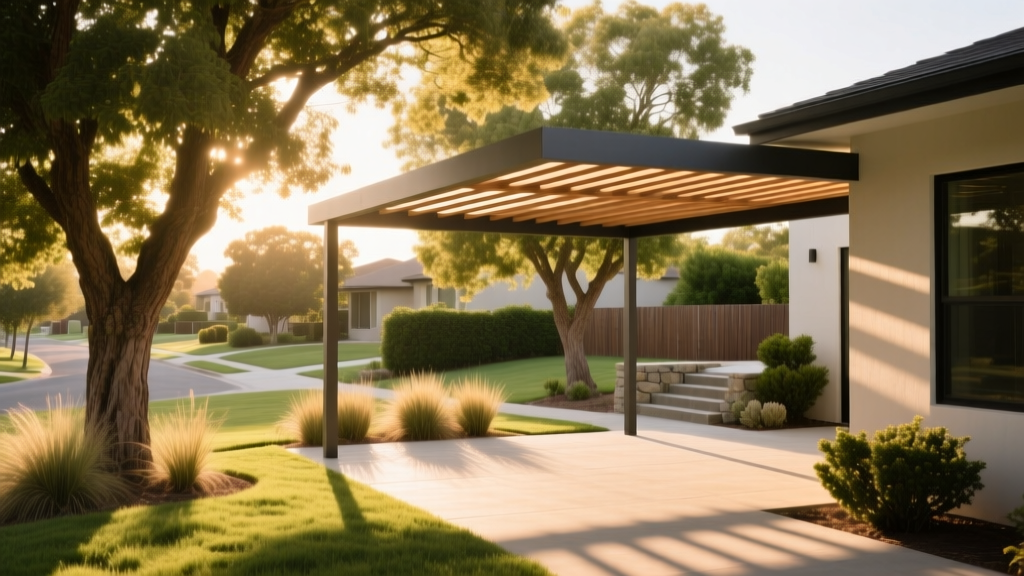
Passive Cooling Landscape Design: Trees and Pergolas
Lisa ThompsonPublished
The Science of Passive Cooling in Landscape Design
As energy costs rise and summer heat waves become more intense, homeowners are increasingly looking to their yards for climate control solutions. Passive cooling landscape design bridges the gap between indoor comfort and outdoor living by utilizing natural elements to reduce solar heat gain. Unlike active cooling systems that rely on electricity and mechanical parts, passive cooling leverages shade, evapotranspiration, and strategic airflow to lower ambient temperatures around your home and patio spaces.
The U.S. Department of Energy (DOE) reports that carefully positioned trees and shade structures can save up to 25% of a household's energy used for heating and cooling. By intercepting solar radiation before it strikes your roof, windows, and hardscapes, you prevent the thermal mass of your home from absorbing heat. Furthermore, the natural process of evapotranspiration—where plants release water vapor through their leaves—can cool the surrounding air by as much as 9 degrees Fahrenheit compared to bare soil or concrete surfaces.
Landscaping is the most cost-effective way to reduce the sun's heat gain in the summer and allow solar heat gain in the winter.
— U.S. Department of Energy
Planning a passive cooling landscape requires an understanding of your local solar angles, prevailing summer breezes, and the mature growth habits of the plants you select. This guide will walk you through the actionable steps of designing a landscape that keeps your outdoor living spaces comfortable and your indoor cooling bills low.
Strategic Tree Placement for Maximum Energy Savings
The placement of shade trees is the cornerstone of passive cooling. To maximize efficiency, you must consider the path of the sun. In the Northern Hemisphere, the sun is high in the sky during midday in the summer, but it strikes the east and west sides of your home at lower, more direct angles during the morning and late afternoon. Therefore, shading the east and west-facing walls and windows yields the highest cooling return on investment.
According to research from the University of Florida IFAS Extension, shading your air conditioning condenser unit with a tree can increase its operational efficiency by up to 10%. However, you must maintain a minimum clearance of 3 to 4 feet around the unit to ensure adequate airflow and prevent the foliage from restricting the system's intake.
When planning your planting timeline, early spring or late fall is ideal. This allows the root system to establish before the stress of peak summer heat. For large canopy trees, always plant 15 to 20 feet away from your home's foundation to prevent root intrusion into underground plumbing or structural slabs.
Recommended Shade Trees for Passive Cooling
Selecting the right tree involves balancing growth rate, mature canopy spread, and deciduous habits. Deciduous trees are highly recommended for the south side of your home because they provide dense shade in the summer but drop their leaves in the winter, allowing passive solar heating when you need it most.
| Tree Species | Mature Height | Canopy Spread | Est. Cost (15-Gallon) | Best Placement |
|---|---|---|---|---|
| Red Maple (Acer rubrum) | 40-60 ft | 30-40 ft | $150 - $250 | West / Southwest |
| Southern Live Oak | 40-80 ft | 60-100 ft | $200 - $350 | South / Large Yards |
| Crape Myrtle | 15-25 ft | 10-15 ft | $80 - $120 | East / Patio Edges |
| Tulip Poplar | 70-90 ft | 35-50 ft | $180 - $280 | West / Driveways |
Designing Pergolas for Airflow and Shade
When mature trees are not an option, or when you need immediate shade over a patio, deck, or outdoor kitchen, a pergola is the perfect architectural solution. Unlike a solid roof, a pergola allows hot air to rise and escape, preventing the trapped heat effect common with traditional patio covers.
Slat Spacing and Solar Angles
The secret to an effective cooling pergola lies in the slat spacing and orientation. To block the intense midday sun while still allowing ambient light and heat escape, use 2x2 inch lumber for the top rafters, spaced exactly 4 inches apart. This configuration provides approximately 50% shade at peak noon. For optimal performance, orient the slats to run east-to-west. This ensures that the narrow edge of the wood faces the high midday sun, minimizing heat absorption, while the broader sides block the lower morning and evening rays.
Integrating Climbing Vines
To supercharge your pergola's cooling potential, train deciduous climbing vines up the posts and across the lattice. Vines like Wisteria, Trumpet Vine, or Muscadine Grape provide a secondary layer of evaporative cooling. The leaves absorb sunlight for photosynthesis rather than transferring it to the wood structure, keeping the air beneath the pergola noticeably cooler. Expect a 3-year timeline for vines to fully cover a standard 12x12 foot pergola.
Hardscape Materials That Beat the Heat
Your choice of ground materials plays a massive role in the microclimate of your outdoor living space. Traditional dark asphalt and dense concrete have low albedo (reflectivity) and high thermal mass, meaning they absorb solar radiation all day and radiate it back out at night, keeping your patio uncomfortably hot well into the evening.
To combat this, utilize high-albedo hardscaping materials. Light-colored natural stone, such as travertine or light sandstone, reflects a significant portion of solar radiation. Travertine pavers, in particular, are renowned for remaining cool to the barefoot touch even in direct, 90-degree sunlight due to their porous nature and light coloration. Expect to pay between $15 and $30 per square foot for premium travertine installation.
Additionally, consider permeable pavers filled with crushed gravel or groundcover plants like creeping thyme. These materials reduce surface runoff and allow water to evaporate slowly from the subsurface, creating a localized evaporative cooling effect that solid concrete simply cannot achieve.
Smart Home Integration for Pergola Climate Control
Modern landscape design seamlessly integrates with smart home technology to optimize outdoor comfort. If your budget allows, upgrading from a fixed pergola to a smart motorized louver system offers ultimate climate control. Brands like Louvretec or StruXure offer automated aluminum pergolas with adjustable louvers that can be tilted via a smartphone app or voice command to track the sun's angle throughout the day.
Pairing these systems with smart weather sensors, such as a Netatmo Smart Weather Station, allows the pergola to automatically close its louvers during a sudden summer rainstorm or angle them to block harsh afternoon glare. Furthermore, integrating a smart high-pressure misting system—controlled by a Wi-Fi-enabled relay—can drop the ambient temperature under the pergola by up to 20 degrees Fahrenheit on dry, scorching days. Ensure your misting system includes an inline scale filter to prevent mineral buildup on the patio furniture and hardscapes below.
Planning Your Budget and Timeline
Investing in passive cooling landscape design yields both immediate lifestyle benefits and long-term financial returns. A standard 12x12 foot cedar pergola with 4-inch slat spacing typically costs between $3,500 and $6,000 for materials and professional installation. Motorized aluminum louver systems range from $15,000 to $30,000. Tree planting is highly cost-effective; investing $1,000 in three to five mature 15-gallon shade trees can yield hundreds of dollars in annual HVAC savings.
According to the U.S. Department of Energy, the return on investment for strategic landscape shading typically pays for itself within 5 to 8 years through reduced energy bills. When planning your project, begin the design phase in late winter. This allows you to order custom pergola materials and secure a landscaping contractor before the spring rush, ensuring your passive cooling oasis is fully operational by the time the peak summer heat arrives.
Conclusion
Passive cooling landscape design is a powerful tool for modern homeowners looking to enhance their outdoor living spaces while reducing their environmental footprint and energy bills. By combining the natural, evaporative power of strategically placed deciduous trees with the architectural precision of a well-spaced pergola and high-albedo hardscapes, you can create a luxurious, cool retreat right outside your back door. Plan carefully, choose your materials wisely, and let nature do the heavy lifting for your home's climate control.
