Pest Control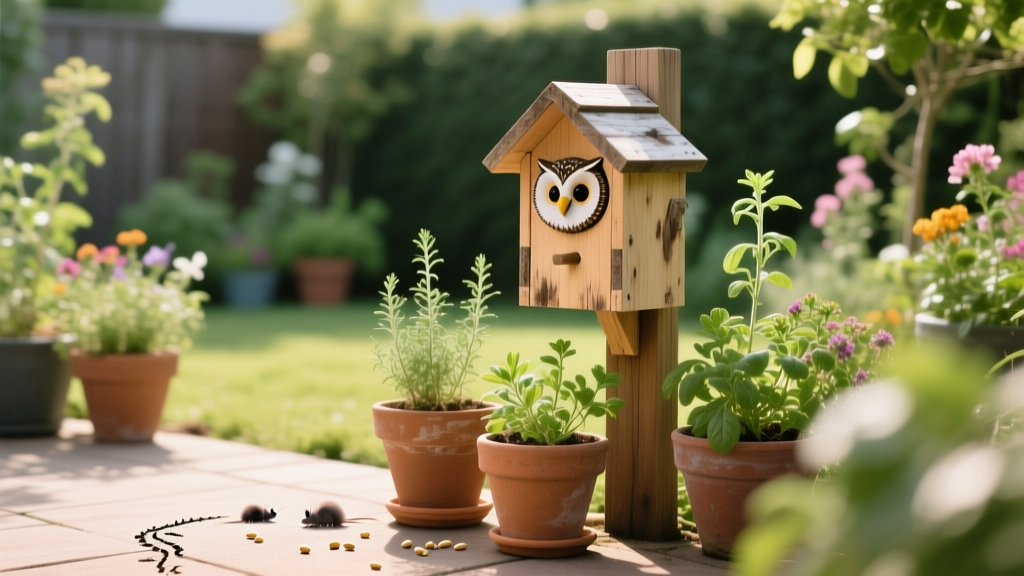
Owl Nesting Box Placement For Container Garden Rodent Control 2026
Sarah ChenPublished
The Rising Rodent Threat to Container Gardens in 2026
Container and pot gardening has seen a massive resurgence in urban and suburban spaces, with more homeowners than ever cultivating patios, balconies, and small backyard plots in 2026. However, this concentrated greenery comes with a hidden cost: rodents. Rats, mice, and voles are notoriously drawn to the shelter, moisture, and food sources provided by potted plants. They chew through fabric grow bags to access root systems, nest in the insulated bases of self-watering planters, and devour the fruits of high-value patio crops like cherry tomatoes and alpine strawberries.
Traditional pest control methods, such as snap traps and chemical rodenticides, are highly problematic in small container garden spaces. They pose severe secondary poisoning risks to neighborhood pets, local wildlife, and children playing near patio areas. Furthermore, rodents quickly develop bait shyness, rendering chemical controls ineffective over time. This has led savvy container gardeners to embrace integrated pest management (IPM) through natural biocontrol—specifically, the strategic placement of owl nesting boxes to attract silent, highly efficient nocturnal hunters directly to their potted plant sanctuaries.
Why Owls Are the Ultimate Biocontrol for Potted Plants
Owls are apex nocturnal predators with an insatiable appetite for small mammals. According to the RSPB, a single family of barn owls can consume thousands of rodents in a single year, drastically reducing the local pest population without the need for toxic chemicals. For container gardeners, this means your potted vegetables, herbs, and ornamental flowers are protected around the clock.
Unlike chemical barriers that wash away during heavy rains or require constant reapplication, an established owl pair provides continuous, self-sustaining pest control. As highlighted by National Geographic, these birds possess specialized flight feathers that allow them to hunt in absolute silence, ensuring that rodents are eliminated before they can cause structural damage to your expensive ceramic urns or destroy your carefully curated soil mixes.
Top Container Crops Targeted by Rodents
- Patio Tomatoes and Peppers: Rodents bite into ripening fruits, leaving them vulnerable to fungal rot and secondary insect infestations.
- Alpine and Container Strawberries: The shallow root systems and sweet fruits make strawberry pots a primary target for mice.
- Deep-Pot Root Vegetables: Carrots and radishes grown in deep fabric planters are often tunneled into from the bottom up.
- Culinary Herbs: Basil and cilantro pots provide excellent daytime cover for rodents seeking shade and moisture.
Choosing the Right Owl Species and Box for Small Spaces
When integrating owl biocontrol into a container garden, space is the primary constraint. While Barn Owls are legendary rodent hunters, they typically require a hunting radius of over 100 acres, making them better suited for peri-urban properties with large patio perimeters. For standard urban patios and smaller backyard container gardens, the Eastern Screech Owl or the Western Screech Owl is the ideal candidate. Screech owls thrive in smaller territories and are perfectly adapted to hunting the exact species of mice and voles that plague potted plants.
In 2026, the market offers highly specialized nesting boxes designed for smaller footprints. Look for boxes constructed from naturally rot-resistant cedar or recycled composite lumber, featuring integrated predator guards to protect against raccoons and feral cats that may climb your patio pergolas. Many premium 2026 models now include pre-drilled mounts for solar-powered smart nest cameras, allowing you to monitor occupancy and hunting success directly from your smartphone without disturbing the birds.
Strategic Placement: Where to Mount Your Box Near Containers
The success of your biocontrol program hinges entirely on proper box placement. Owls are highly sensitive to human disturbance, wind exposure, and direct afternoon heat. In a container garden setting, you lack the massive oak trees typically used for mounting, requiring creative and structurally sound alternatives.
Pergola and Patio Cover Mounting
If your container garden is situated beneath a wooden pergola or a reinforced patio cover, this is an excellent mounting location. Attach the box to the heaviest structural beam using heavy-duty lag bolts, ensuring the entrance hole faces away from the prevailing wind and is shielded from the harsh afternoon sun. The box should be mounted at least 10 to 15 feet above the ground. Ensure that no climbing vines or tall, unruly potted trees provide a 'ladder' for raccoons to access the nest.
Freestanding Pole Placement Among Large Planters
For open-air patios or rooftop container gardens lacking overhead structures, a freestanding steel pole is the best solution. You can install a 15-foot galvanized steel pole directly into the ground adjacent to your garden, or, if you are on a concrete slab, use a heavy-duty weighted base planter designed specifically to hold pole-mounted birdhouses. Surrounding the base of the pole with your largest, heaviest containers (like half-whiskey barrel planters) helps camouflage the structure and integrates it seamlessly into your garden design.
Owl Box Placement Specifications for Container Gardens
| Mounting Method | Ideal Height | Entrance Orientation | Hardware Required |
|---|---|---|---|
| Pergola Beam | 12 - 15 feet | East or Southeast | Stainless steel lag bolts, predator baffle cone |
| Freestanding Pole (In-Ground) | 10 - 14 feet | Away from prevailing wind | Galvanized steel pole, concrete footing, pole guard |
| Weighted Base Planter (Slab) | 10 - 12 feet | Shaded from afternoon sun | Heavy-duty flange mount, 50+ lbs of soil/rocks for ballast |
| Building Fascia / Eave | 15+ feet | Clear flight path to garden | Structural brackets, extended mounting arm |
Synergizing Organic Container Gardening with Owl Biocontrol
To maintain a thriving owl population, your container garden must be a toxic-free zone. The Barn Owl Trust strictly warns against the use of chemical rodenticides, as secondary poisoning is a leading cause of owl mortality. Fortunately, container gardening naturally lends itself to organic IPM practices.
By utilizing organic potting soils, applying neem oil for insect pests, and using physical barriers like copper tape on the rims of your pots to deter slugs and snails, you create a holistic ecosystem. Furthermore, avoid using synthetic fertilizers that can run off into local waterways. When an owl consumes a rodent that has ingested organic matter from your garden, there is zero risk of chemical transfer. Your potted plants become the foundation of a safe, sustainable urban food web.
Monitoring and Maintenance in 2026
Once your box is installed, patience is key. It may take an entire season for scouting owls to discover the new real estate. To increase your chances of occupancy, ensure your garden provides a secondary water source, such as a shallow, ground-level birdbath placed safely away from the dense foliage where feral cats might hide.
Maintenance should be performed annually in late autumn, after the owls have vacated the nest for the winter. Always wear an N95 respirator mask when cleaning out old nesting material to protect against hantavirus and histoplasmosis. Scrape out the debris, scrub the interior with a mild, unscented soap solution, and allow it to dry completely in the sun before re-mounting. By following these precise placement and maintenance strategies, your 2026 container garden will not only yield a bountiful harvest but also serve as a vital sanctuary for one of nature's most spectacular pest control agents.