
Landscaping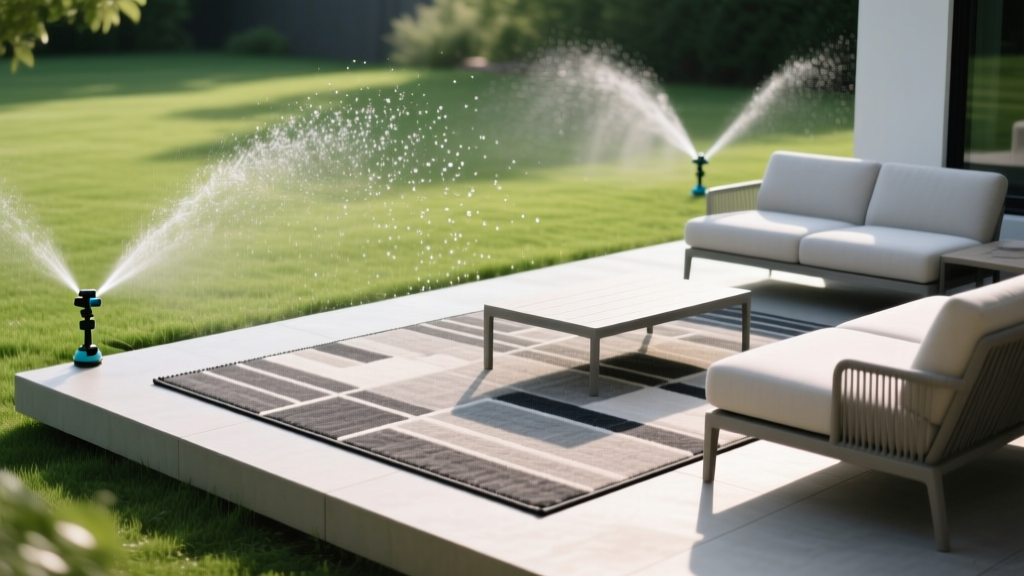
Patio Makeover 2026: Stage Furniture & Rugs Safely Near Sprinklers
Sarah ChenPublished
The Intersection of Patio Design and Irrigation Planning
The 2026 outdoor living trend is all about seamless indoor-outdoor transitions. Homeowners are investing heavily in layered outdoor rugs, modular sectionals, and sustainable teak dining sets to create true extensions of their interior living spaces. However, a common and costly mistake during patio makeovers is ignoring the existing sprinkler and irrigation systems. Staging beautiful outdoor furniture and textiles without considering your irrigation layout can lead to ruined investments. Overspray from traditional pop-up spray heads can cause mold growth under expensive polypropylene rugs, promote algae on composite decking, and cause premature rusting on metal furniture frames.
According to the EPA WaterSense program, outdoor water use accounts for nearly 30% of total household water consumption, with a significant portion lost to wind and evaporation due to inefficient sprinkler heads. When you stage a patio, you are essentially placing high-value assets directly in the splash zone of these inefficient systems. To achieve a flawless patio makeover in 2026, you must bridge the gap between landscape aesthetics and precision irrigation.
The Hidden Costs of Sprinkler Overspray on Patio Staging
When planning your outdoor rug and furniture layout, it is vital to understand how automated watering systems interact with hardscapes and textiles. Traditional fixed-spray sprinkler heads atomize water into fine droplets. Even a mild breeze can carry these droplets onto your patio, leading to several issues:
- Hard Water Staining: Municipal water and well water often contain high levels of calcium and magnesium. When this water lands on glass patio tables or dark metal furniture frames and evaporates, it leaves behind stubborn, chalky mineral deposits that are incredibly difficult to remove.
- Textile Degradation: While modern outdoor rugs are designed to withstand rain, constant daily soaking from a sprinkler system prevents the rug backing from drying out. This trapped moisture creates a perfect breeding ground for mildew, which can stain the rug and transfer to your patio pavers or wooden deck.
- Wood and Wicker Rot: Natural wood furniture and synthetic wicker weaves can suffer from constant moisture exposure, leading to warping, fading, and structural weakening over the course of a single summer season.
Mapping Your Irrigation Zones Before You Stage
Before you unroll that 8x10 outdoor rug or position your new modular sofa, you must conduct a comprehensive irrigation audit. Turn on each sprinkler zone manually via your controller and observe the throw patterns. Pay special attention to the perimeter heads located in the garden beds and lawn areas immediately adjacent to your patio.
Measure the exact distance the water travels. If a spray head is throwing water 12 feet, and your patio edge is only 10 feet away, you have a guaranteed overspray problem. The University of Minnesota Extension recommends regular auditing of residential irrigation systems to ensure water is applied only to the landscape, not to impermeable surfaces like concrete, stone, or wooden decks. Mapping these zones allows you to create a 'dry buffer' where you can safely stage your most moisture-sensitive furniture pieces.
Upgrading Perimeter Irrigation for Patio Protection
If your audit reveals that your current sprinkler heads are soaking your planned staging areas, you do not need to abandon your patio makeover. Instead, upgrade the perimeter irrigation to protect your outdoor living space. In 2026, the industry standard for protecting hardscape edges is the use of multi-stream rotators and drip conversion kits.
Irrigation Adjustments and Overspray Risks
| Irrigation Type | Overspray Risk | Best Use Near Patio | Estimated 2026 Cost |
|---|---|---|---|
| Traditional Fixed Spray | High | Avoid near rugs and seating | $5 - $8 per head |
| Multi-Stream Rotator | Low | Ideal for lawn borders near patio | $10 - $15 per head |
| Sub-Surface Drip Line | Zero | Perimeter planters and hedges | $0.50 - $1.00 / ft |
| Point-Source Emitters | Zero | Potted plants on patio edges | $2 - $4 per emitter |
By swapping out fixed spray nozzles for multi-stream rotators, you drastically reduce the misting effect that causes wind drift. Rotators apply water slowly in thick streams that are heavy enough to resist breezes, keeping the water exactly where it belongs: on the grass. For garden beds that border your patio staging area, convert the sprinkler heads entirely to drip irrigation. This ensures your hydrangeas and hostas receive deep root watering without a single drop landing on your outdoor rug.
Strategic Furniture and Rug Placement Guidelines
Once your irrigation system is optimized, you can confidently stage your patio. Follow these 2026 design and placement rules to ensure your outdoor living space remains pristine:
The 36-Inch Buffer Rule
Even with upgraded rotator nozzles, it is best practice to maintain a 36-inch buffer between the edge of your lawn or garden bed and your primary outdoor rug. This margin of error accounts for occasional high-wind events and minor sprinkler misalignments. Use this buffer zone to stage moisture-tolerant elements, such as large stone planters, metal bistro sets, or composite decking accents.
Selecting the Right Outdoor Rug Materials
If your patio layout forces you to stage rugs closer to irrigation zones, material selection is critical. In 2026, the top choices for irrigation-adjacent staging include:
- Recycled PET (Polyethylene Terephthalate): Made from recycled plastics, these rugs are virtually impervious to water damage, dry incredibly fast, and resist mold growth even if subjected to occasional sprinkler drift.
- Flat-Weave Polypropylene: Avoid high-pile or shag outdoor rugs near sprinkler zones. Flat-weave options allow water to pass through or evaporate quickly, preventing the damp under-layer that ruins patio pavers.
Elevating Furniture for Airflow
When staging sofas and coffee tables on a patio that experiences irrigation runoff or minor overspray, utilize furniture risers or select pieces with tall, tapered legs. Elevating your modular seating at least 6 inches off the ground ensures that any water pooling on the patio surface from heavy irrigation cycles will not wick up into the fabric cushions or rust the bottom rails of the furniture.
Programming Smart Controllers for Hardscape Proximity
The final step in harmonizing your patio makeover with your irrigation system is leveraging smart home technology. Modern Wi-Fi-enabled smart controllers allow you to create highly specific 'Patio Proximity' zones. By isolating the sprinkler heads nearest to your outdoor living space into their own dedicated zone, you can adjust the watering schedule independently of the rest of the lawn.
For example, you can program the patio-adjacent zone to water at 4:00 AM, ensuring that any accidental overspray has hours to evaporate in the morning sun before you step outside to enjoy your coffee on the new outdoor rug. Furthermore, smart controllers utilize local weather data to automatically skip watering cycles after heavy rainfall, preventing your patio from becoming a humid, swampy environment due to overwatering.
Seasonal Maintenance for Staged Patio Areas
As the seasons change, so should your approach to patio staging and irrigation. In the late fall, before winterizing your sprinkler system, perform a final deep clean of your outdoor rugs to remove any mineral deposits accumulated from summer irrigation drift. When blowing out your sprinkler lines with compressed air, ensure the technician checks the perimeter heads to guarantee they haven't shifted toward the patio due to soil settling or lawn mowing vibrations.
By treating your irrigation system and your patio staging as a single, cohesive landscape design project, you protect your financial investment and ensure your outdoor living space remains a beautiful, dry, and comfortable retreat for years to come. A successful 2026 patio makeover isn't just about picking the right furniture; it is about mastering the water that surrounds it.

