Home & Garden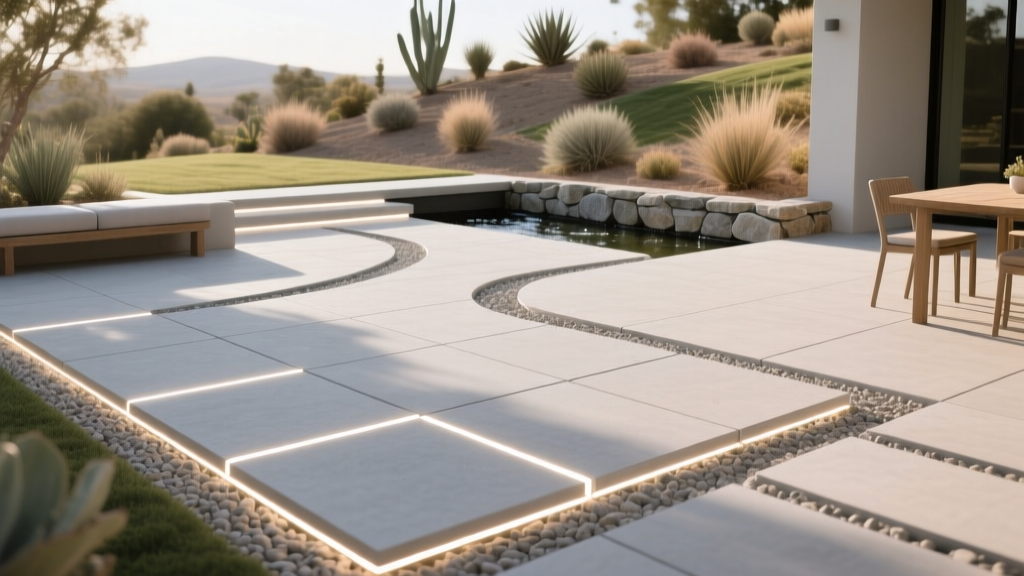
Designing a Permeable Paver Patio With Smart Lighting
Robert HayesPublished
The Intersection of Eco-Friendly Hardscaping and Smart Technology
As homeowners increasingly seek to blur the lines between indoor luxury and outdoor recreation, the modern patio has evolved into a sophisticated extension of the home. However, traditional concrete slabs contribute heavily to stormwater runoff and urban heat islands. Enter the permeable paver patio: an elegant, environmentally responsible hardscaping solution that manages water naturally. When paired with a smart, zoned lighting system, this outdoor space transforms into a functional, energy-efficient oasis that adapts to your lifestyle.
Planning a permeable paver patio with integrated smart lighting requires a blend of civil engineering principles and modern smart-home design. This comprehensive guide will walk you through the design ideas, material selection, and technical planning necessary to execute this high-impact outdoor upgrade.
Phase 1: Site Evaluation and Stormwater Planning
Before sketching your patio layout, you must understand your soil's drainage capacity. Permeable pavers rely on the underlying soil and aggregate base to absorb and filter rainwater. If your soil is heavy clay, water will pool beneath the pavers, leading to heaving in winter and structural failure.
The Percolation Test
Dig a test hole approximately 12 inches deep and 6 inches wide in your proposed patio area. Fill it with water and let it drain completely to saturate the soil. Refill the hole and measure how many inches the water level drops per hour. A drop rate of at least 0.5 inches per hour is generally required for a standard permeable system. If your soil drains slower, you will need to incorporate an underdrain pipe connected to a dry well or municipal storm drain.
According to the United States Environmental Protection Agency (EPA), permeable pavements can significantly reduce stormwater runoff volume and improve water quality by filtering pollutants through the aggregate base layers, making them a cornerstone of sustainable urban drainage systems.
Phase 2: Excavation and Base Preparation
The secret to a lasting permeable patio lies entirely beneath the surface. Unlike traditional patios that use a compacted sand and gravel base, permeable systems require a deep reservoir of clean, open-graded aggregate to store water temporarily while it percolates into the earth.
- Excavation Depth: Plan to excavate 14 to 18 inches below the final desired patio height.
- Geotextile Fabric: Line the excavated soil with a non-woven geotextile fabric to prevent the underlying soil from migrating up into your stone reservoir.
- Sub-Base Layer (Reservoir): Add 10 to 12 inches of clean, washed 3/4-inch crushed stone (ASTM No. 57). Do not use gravel with fine dust, as it will clog the system.
- Base Layer: Add 2 inches of clean 1/2-inch crushed stone (ASTM No. 8) to create a stable transition.
- Bedding Layer: Finish with 1 to 2 inches of coarse, washed concrete sand or 1/8-inch stone chips. This is what you will screed level before laying the pavers.
While permeable pavers absorb water, the surface should still maintain a minimum slope of 1 percent (a 1-inch drop per 8 feet of length) away from your home's foundation. This ensures that during torrential downpours that exceed the infiltration rate of the base reservoir, excess water safely flows away from your structure.
Phase 3: Selecting Permeable Pavers
Permeable pavers are designed with wider joints than standard pavers, allowing water to pass through the gaps filled with small, permeable aggregate. Here is a comparison of the top materials available on the market:
| Material Type | Avg. Cost (per sq. ft.) | Durability | Design Aesthetic |
|---|---|---|---|
| Permeable Concrete (e.g., Belgard Aqua) | $4.00 - $7.00 | High (4,000+ PSI) | Modern, versatile shapes and colors |
| Permeable Clay Brick | $6.00 - $10.00 | Very High | Classic, traditional, earthy tones |
| Resin-Bound Aggregate | $8.00 - $12.00 | Moderate | Seamless, natural stone appearance |
For most residential DIY and contractor installations, permeable concrete pavers offer the best balance of cost, structural integrity, and design flexibility. Ensure you purchase jointing aggregate (typically 1/8-inch crushed stone) to fill the gaps, never traditional polymeric sand, which seals the joints and defeats the purpose of the system.
Phase 4: Designing the Smart Lighting Zones
A well-designed outdoor living space requires layered lighting. By integrating smart, low-voltage LED fixtures, you can reduce energy consumption by up to 80 percent compared to traditional halogen landscape lighting while gaining complete control via your smartphone or voice assistant.
Zone 1: Task and Culinary Lighting
If your patio design includes an outdoor kitchen or grill station, task lighting is critical for safety and functionality. Mount weatherproof smart LED strip lights (such as the Govee Outdoor LED Strip) under the lip of stone countertops. Set these to a cool white (4000K) and 500 lumens per foot to ensure clear visibility when handling raw food and sharp utensils.
Zone 2: Ambient and Social Lighting
For the primary seating and dining areas, ambient lighting sets the mood. Consider installing smart pendant lights over the dining table or using smart path lights aimed upward into the canopy of nearby deciduous trees. Products like the Philips Hue Outdoor Discover Floodlight allow you to adjust the color temperature from a warm, fire-like 2200K for intimate gatherings to a vibrant palette for holiday entertaining.
Zone 3: Safety and Perimeter Lighting
Define the edges of your permeable patio and illuminate any steps to prevent tripping hazards. Recessed smart hardscape lights can be built directly into the retaining walls or patio stairs. Use a warm 2700K temperature at a low brightness (100-200 lumens) to provide wayfinding without contributing to light pollution or disrupting local wildlife circadian rhythms.
When sizing your low-voltage transformer for the smart lighting zones, always calculate the total wattage of all connected LED fixtures and add a 20 percent buffer. For example, if your combined zones draw 80 watts, purchase a 100-watt or 150-watt smart transformer to prevent overheating and allow room for future fixture additions.
Phase 5: Smart Home Integration and Automation
The true power of smart outdoor lighting lies in automation. By connecting your low-voltage transformer and smart bulbs to a central hub like Samsung SmartThings or Apple HomeKit, you can create dynamic routines that respond to your environment.
- Geofencing: Program your perimeter safety lights to turn on automatically when your smartphone crosses a virtual boundary 5 miles from home, ensuring a well-lit patio upon your arrival after dark.
- Astronomical Clocks: Sync your ambient zone to local sunset data. As the sun dips below the horizon, your patio lights will gradually fade up to 50 percent brightness, adjusting automatically as the seasons change.
- Weather-Adaptive Routines: Integrate your lighting with a smart weather API. If heavy rain or high winds are detected, the system can automatically shut off pendant lights to prevent swinging hazards and conserve energy.
Maintenance and Long-Term Care
To maintain the permeability of your patio, the joints must remain free of debris, soil, and organic matter. Traditional sweeping with a stiff broom can sometimes push dirt deeper into the aggregate joints.
Instead, invest in or rent a specialized wet-dry vacuum or an outdoor power sweeper designed for permeable pavers twice a year—once in the spring after pollen season and once in the late fall after leaf drop. If the joints become severely clogged, a professional power-washing service that simultaneously extracts the dirty water and replaces the jointing stone may be required every 5 to 7 years.
During the winter months, never use chemical de-icers or salt on your permeable pavers. These chemicals can degrade the concrete surface over time and the resulting brine will wash into your local groundwater, negating the environmental benefits of the system. Instead, use a plastic snow shovel and apply a thin layer of clean, coarse kitty litter or specialized permeable-paver-safe traction grit if ice becomes a hazard.
For the smart lighting system, perform an annual inspection of the low-voltage wiring connections to ensure moisture has not breached the waterproof wire nuts. Clean the LED lenses with a soft microfiber cloth and a mild vinegar solution to remove hard water spots and maintain optimal light output. With proper planning and maintenance, your permeable paver patio and smart lighting system will provide a sustainable, luxurious outdoor retreat for decades to come.
