Pest Control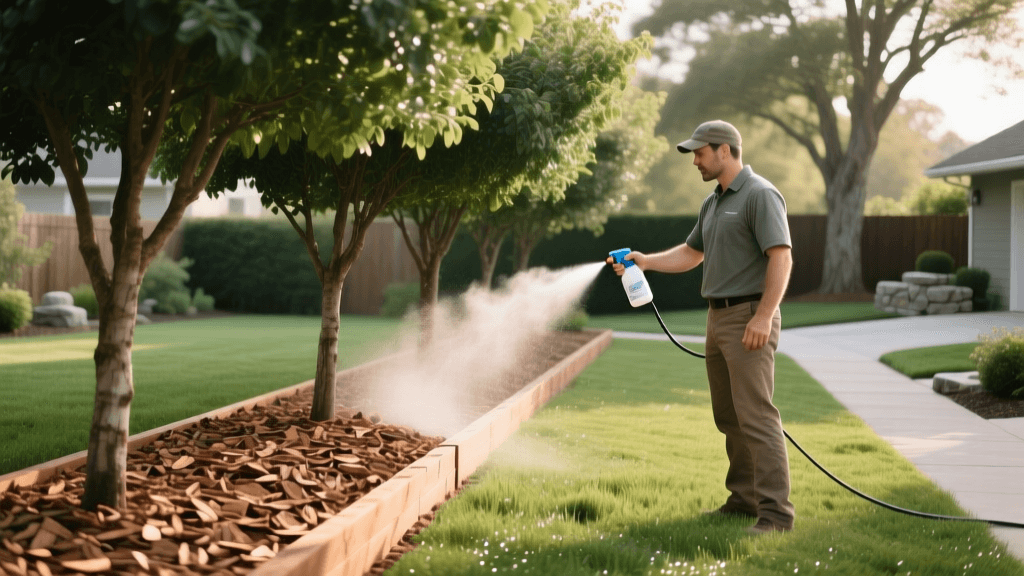
Tick-Safe Landscaping 2026: Permethrin & Wood Chip Tree Barriers
The Intersection of Tree Selection and Tick Control
As we navigate the 2026 tick season, homeowners and landscape architects are increasingly recognizing that pest control begins long before the first application of a chemical spray. Ticks, particularly the black-legged tick (Ixodes scapularis) and the Lone Star tick, are highly susceptible to desiccation (drying out). They require high humidity and dense shade to survive, which is why they thrive in the moist, shadowy understory of poorly managed tree lines and overgrown shrub borders.
From a Tree Selection & Planting perspective, designing a tick-safe landscape requires manipulating the microclimate of your yard. By strategically selecting tree species that allow for maximum sunlight penetration and pairing them with physical hardscape barriers and targeted chemical treatments, you can create an environment that is aesthetically stunning but inherently hostile to ticks. This integrated pest management (IPM) approach combines the structural benefits of proper tree planting with the proven efficacy of wood chip barriers and permethrin yard sprays.
Strategic Tree Planting for a Sun-Drenched, Tick-Free Yard
The foundational step in tick-safe landscaping is selecting and placing trees that do not create dense, ground-level shade. In 2026, modern arboriculture and pest control guidelines emphasize the importance of the 'high-canopy' design. Trees with naturally high branching structures or those that can be easily 'limbed up' (pruned to remove lower branches) allow UV light to reach the soil surface, drastically reducing the moisture levels that ticks need to survive.
Recommended Tree Species for Tick Deterrence
- White Oak (Quercus alba): A majestic, high-canopy deciduous tree that provides dappled, rather than dense, shade. Its deep root system also prevents the surface soil from becoming overly saturated.
- Ginkgo Biloba: An excellent urban and suburban tree with an open branching structure that allows significant sunlight to reach the lawn below.
- Red Maple (Acer rubrum): When properly pruned to raise the canopy to at least 8 feet above the ground, Red Maples offer brilliant fall color without creating a damp tick haven at the base.
- Coniferous Evergreens (Use with Caution): Dense spruces and firs create perpetual shade and acidic, moist soil at their base—perfect tick habitats. If planting evergreens, isolate them in designated 'wild' zones far from high-traffic lawn areas.
Planting and Pruning Rule of Thumb: Always maintain a clearance of at least 6 to 8 feet between the ground and the lowest tree branches. This technique, known as 'crown raising,' improves air circulation and allows the sun to bake the soil, effectively neutralizing tick populations near your planted trees.
The 3-Foot Wood Chip Barrier: Your First Line of Defense
Even with perfectly selected and pruned trees, the transition zone between your manicured lawn and adjacent wooded areas (or the base of large tree clusters) remains a vulnerability. According to the Cornell University Integrated Pest Management program, creating a physical barrier using wood chips or gravel is one of the most effective non-chemical methods to restrict tick migration into recreational yard spaces.
Wood chips serve a dual purpose in landscape design and pest control. Aesthetically, they define borders and protect tree root zones from mower damage. Biologically, the coarse, dry nature of wood chips creates a desiccating environment that ticks cannot cross without fatal moisture loss.
Wood Chip Mulch Types and Tick Deterrence Efficacy
| Mulch Material | Tick Deterrence Level | Landscape Notes for 2026 |
|---|---|---|
| Cedar Wood Chips | High | Contains natural aromatic oils that mildly repel arthropods; excellent for tree rings and property borders. |
| Standard Hardwood Bark | Medium-High | Creates a dry, coarse barrier. Must be maintained at a 3-inch depth to prevent underlying soil moisture from rising. |
| Pine Straw / Needles | Low | Retains moisture and creates a dense, humid mat at the soil level. Avoid using near tick-prone zones. |
| Crushed Gravel / Stone | Very High | Zero moisture retention; heats up significantly in the sun. Ideal for hardscape borders but less beneficial for tree root health. |
Installation Specifications: To effectively stop tick migration, lay a continuous border of cedar or hardwood chips that is at least 3 feet wide and 3 inches deep between any wooded area and your lawn, playground, or patio. When applying mulch around the base of your selected landscape trees, ensure you leave a 3-inch 'donut' gap around the actual trunk to prevent bark rot and rodent habitation.
Integrating Permethrin Yard Sprays into Your Landscape Design
While tree canopy management and wood chip barriers provide excellent passive defense, active chemical intervention is often necessary in high-pressure tick zones. Permethrin is a synthetic pyrethroid that acts as a powerful neurotoxin to ticks and fleas. The U.S. Environmental Protection Agency (EPA) notes that permethrin binds tightly to soil and organic matter, making it highly effective for targeted outdoor barrier treatments when used according to label directions.
2026 Permethrin Formulations and Application
In 2026, the industry standard for residential tick control has shifted toward micro-encapsulated permethrin formulations. Unlike older liquid emulsions that break down rapidly under UV light, micro-encapsulated sprays protect the active ingredient within microscopic polymer shells. This allows the product to adhere to the wood chips, leaf litter, and tree bases, providing a residual kill effect that lasts up to 4 to 6 weeks, even through moderate rainfall.
Safe Application Around Trees and Gardens
When applying permethrin yard sprays, it is vital to protect your landscape investments and local ecosystems:
- Target the Transition Zones: Spray the 3-foot wood chip barrier, the base of tree trunks (up to 2 feet high), and the perimeter of stone walls or woodpiles.
- Protect Pollinators: Permethrin is highly toxic to bees. Never spray blooming flowers, pollinator gardens, or the lower branches of flowering trees like Dogwoods or Redbuds. Apply treatments in the early morning or late evening when bees are not actively foraging.
- Aquatic Toxicity: Permethrin is extremely toxic to fish and aquatic invertebrates. Maintain a strict buffer zone of at least 15 feet between your spray area and any ponds, streams, or storm drains.
- Pet Safety: While permethrin is safe for dogs once completely dry, it is highly toxic to cats in its wet state. Keep all felines indoors during application and until the treated wood chips and grass are fully dry (typically 2-4 hours).
Your 2026 Step-by-Step Implementation Guide
To successfully merge tree care with aggressive tick control, follow this seasonal timeline:
Early Spring (March - April)
- Canopy Pruning: Hire a certified arborist to limb up your deciduous trees, removing any branches hanging lower than 6 feet to open the soil to sunlight.
- Debris Removal: Clear all fallen leaves, dead brush, and tall grasses from the base of your trees and property lines.
- Lay the Barrier: Install or refresh your 3-foot-wide cedar wood chip borders along all wooded edges and around large tree clusters.
Late Spring / Early Summer (May - June)
- First Permethrin Application: Using a hose-end sprayer or a professional-grade backpack sprayer, apply a micro-encapsulated permethrin solution directly to the wood chip barriers, tree bases, and shaded perimeter shrubs.
- Maintain the Microclimate: Ensure your irrigation system is not over-watering the wood chip zones. Ticks will exploit artificial moisture if sprinklers constantly soak your barrier zones.
Mid-to-Late Summer (July - August)
- Reapplication: Depending on rainfall and the specific 2026 product label, reapply the permethrin spray every 4 to 6 weeks to maintain the chemical barrier on the wood chips.
- Wildlife Management: Ticks are primarily transported by deer and rodents. Use deer-resistant plantings (like Lavender, Boxwood, or Russian Sage) near your tree lines to discourage mammalian traffic from breaching your treated zones.
Conclusion
Effective tick control in 2026 is no longer just about blanketing a yard in chemicals; it is about intelligent landscape design. By thoughtfully selecting high-canopy trees, maintaining rigorous pruning standards, installing desiccating wood chip barriers, and strategically applying modern permethrin formulations, you create a multi-layered defense system. This approach not only protects your family and pets from tick-borne illnesses like Lyme disease but also results in a healthier, more vibrant, and beautifully structured outdoor living space.
For more information on safe pesticide usage and tick-borne disease prevention, always consult resources like the Centers for Disease Control and Prevention (CDC) and your local university extension office before beginning any chemical treatment regimen.