Pest Control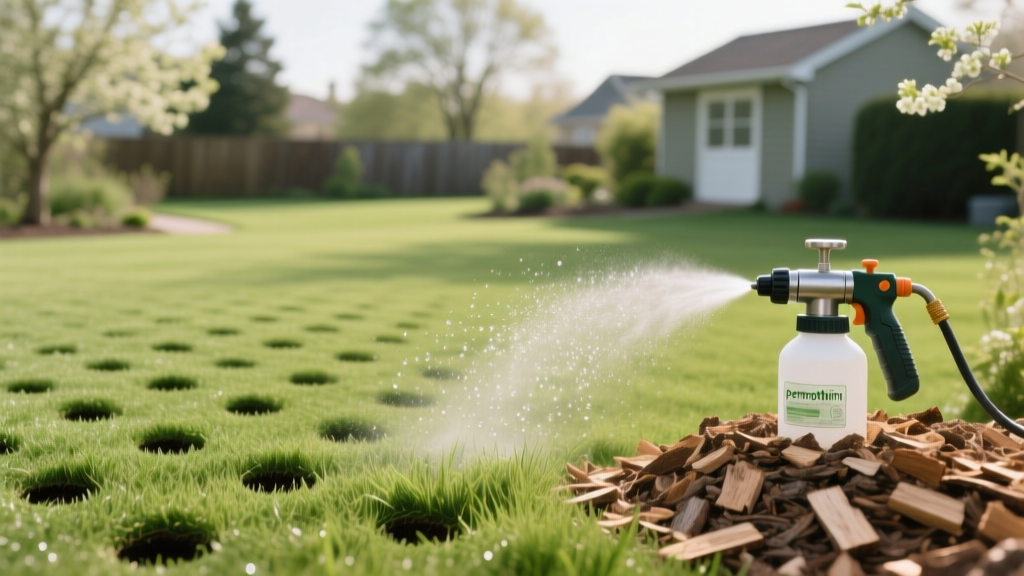
2026 Tick Control: Permethrin & Wood Chips After Seeding
James MillerPublished
The Intersection of Lawn Renovation and Tick Management
As we navigate the 2026 outdoor season, the geographic footprint of the blacklegged tick (Ixodes scapularis) and the Lone Star tick continues to expand across North America. For homeowners dedicated to maintaining pristine landscapes, tick control is no longer just a matter of personal safety; it is a critical component of comprehensive lawn care. However, effective pest management must work in harmony with your soil health and turf renovation routines. If you are planning a core aeration and overseeding project this year, integrating permethrin yard sprays and wood chip barriers requires precise timing. Misapplying chemical controls during the vulnerable post-aeration window can disrupt soil biology, harm beneficial microorganisms, and compromise your newly germinated seed. This guide explores the exact methodology for combining robust turf renovation with targeted tick eradication.
Ticks are highly susceptible to desiccation. They require a humid, shaded microclimate at the soil surface to survive, which is why they thrive in overgrown, thatch-heavy lawns and dense woodland edges. Core aeration directly combats this by breaking up compacted soil and reducing the thatch layer where ticks hide. By pulling 3-inch soil plugs with a walk-behind or tow-behind aerator, you improve water infiltration and encourage deeper root growth, setting the stage for a thicker, more resilient turf. When you pair aeration with overseeding—using modern, drought-tolerant turf-type tall fescues or endophyte-enhanced perennial ryegrasses—you create a dense canopy. A thick lawn in 2026 acts as a biological shield. The grass blades intercept sunlight and reduce soil-level humidity, making the environment inherently hostile to questing ticks.
Constructing the Wood Chip Desiccation Barrier
According to the Centers for Disease Control and Prevention (CDC), one of the most effective non-chemical methods for reducing tick populations is the installation of a 3-foot-wide wood chip or gravel barrier between lawns and wooded areas. This barrier acts as a desiccation zone that ticks are reluctant to cross, effectively isolating your recreational lawn areas from high-risk habitats.
When integrating this barrier into an aeration and seeding schedule, edge management is paramount. Before laying down wood chips, install a physical steel or heavy-duty plastic landscape edging. This prevents the wood chips from migrating into your newly seeded turf and stops the aggressive rhizomes of certain grasses from invading the barrier. Furthermore, it provides a clean line for your aerator to turn around without throwing soil plugs into the mulch bed.
Material Selection for 2026
- Cedar Mulch: Often touted for natural aromatic repellent properties, but studies show the oils degrade quickly when exposed to sunlight and heavy spring rains.
- Coarse Hardwood Bark: Superior for long-lasting physical barriers. It interlocks well, resists washing away, and provides an excellent matrix for chemical adherence if you choose to treat the barrier directly with permethrin.
- Arborist Wood Chips: A cost-effective, bulky option that excels at moisture wicking, keeping the soil boundary dry and inhospitable to ticks.
Timing Permethrin Applications Around Aeration
Permethrin is a synthetic pyrethroid that is highly effective against ticks, but it must be respected as a broad-spectrum insecticide. Its soil-binding properties mean that once it attaches to organic matter, it remains active for weeks. This is where the timing of your aeration becomes critical to the success of your lawn renovation.
The Pre-Aeration Application: If your lawn has a known, severe tick infestation, the safest time to apply a liquid permethrin broadcast spray (typically at a 0.5% dilution rate for yard perimeters) is one to two weeks before core aeration. This allows the chemical to bind to the surface thatch and foliage, neutralizing the adult tick population without driving concentrated chemicals deep into the root zone via fresh aeration holes.
The Post-Seeding Danger Zone: You must absolutely avoid applying permethrin immediately after overseeding. New grass seed requires constant moisture and a thriving ecosystem of soil microbes and mycorrhizal fungi to establish roots. Introducing pyrethroids into a freshly aerated, heavily watered seedbed can disrupt this delicate soil food web. Furthermore, the frequent, shallow watering required for seed germination will cause surface-applied permethrin to run off or leach unpredictably, potentially harming non-target organisms or aquatic life.
Applying broad-spectrum insecticides to a freshly aerated and seeded lawn is a recipe for soil biology failure. The water required for seed germination will mobilize the chemicals, pushing them into the root zone where they can harm the very earthworms and fungi necessary for long-term turf health.
The 2026 Integration Timeline
To achieve a pristine, tick-free lawn without sacrificing soil health, follow this structured 8-week renovation and pest control timeline:
| Week | Lawn Renovation Action | Tick Control Action |
|---|---|---|
| Week 1 | Mow low, dethatch if necessary. | Apply permethrin broadcast spray to perimeter and known tick hotspots. |
| Week 2 | Core aerate entire lawn (pull 3-inch plugs). | Allow permethrin to degrade on surface; no chemical applications. |
| Week 3 | Overseed and apply starter fertilizer. | Install landscape edging along woodland borders. |
| Week 4 | Begin frequent, shallow watering for seed. | Lay down 3-foot wide hardwood wood chip barrier. |
| Week 5 | Continue watering; monitor germination. | Deploy permethrin-treated tick tubes inside the wood chip barrier. |
| Week 6 | Reduce watering frequency, increase depth. | Inspect tick tubes for rodent activity; replace if empty. |
| Week 7 | First mow of new grass (set blade to 3 inches). | No broadcast sprays; maintain barrier integrity. |
| Week 8 | Apply slow-release nitrogen fertilizer. | Spot-treat barrier edges with permethrin if heavy tick pressure persists. |
Targeted Treatment: Tick Tubes in the Wood Chip Barrier
Instead of broadcasting permethrin across your newly established lawn, the most ecologically sound strategy recommended by Cornell University Integrated Pest Management is the use of tick tubes within your wood chip perimeter. Tick tubes are biodegradable cardboard cylinders filled with permethrin-treated cotton. Mice and other small rodents collect the cotton for their nesting material, which eliminates the larval ticks feeding on them before they can drop off and quest in your yard.
Place these tubes directly inside the wood chip barrier, spaced every 10 to 15 feet along the property line. Because the tubes are contained and target the rodent hosts specifically, they pose virtually zero risk to your newly aerated soil, your germinating grass seed, or beneficial pollinators visiting your garden beds. This targeted approach ensures that the broad-spectrum nature of permethrin does not interfere with the delicate biological balance you are trying to establish post-aeration.
Environmental Safety and Beneficial Organisms
As lawn care professionals and homeowners in 2026, we must balance pest eradication with environmental stewardship. Permethrin is highly toxic to aquatic invertebrates and bees if applied directly to blooming weeds. When spraying your perimeter or treating the wood chip barrier, ensure that your sprayer is calibrated to deliver coarse droplets rather than a fine mist, which drastically reduces chemical drift into your newly seeded areas or nearby water features.
Furthermore, avoid spraying on windy days or when rain is forecast within 24 hours. By confining your permethrin use strictly to the hardscape edges and the wood chip barrier—and relying on the dense, healthy turf generated by your aeration and seeding efforts for the rest of the yard—you create a sustainable, long-term defense against tick-borne illnesses. A well-aerated, thick lawn is naturally resistant to pests, reducing your reliance on chemical interventions year after year.
Conclusion
Mastering tick control requires looking beyond the spray bottle and understanding the holistic ecology of your yard. By leveraging the cultural practices of core aeration and overseeding to eliminate the humid microclimates ticks rely on, and strategically deploying wood chip barriers and targeted permethrin treatments, you can reclaim your outdoor space safely and effectively in 2026. Plan your renovation schedule carefully, respect the soil biology, and enjoy a lush, resilient, and pest-free landscape.