Pest Control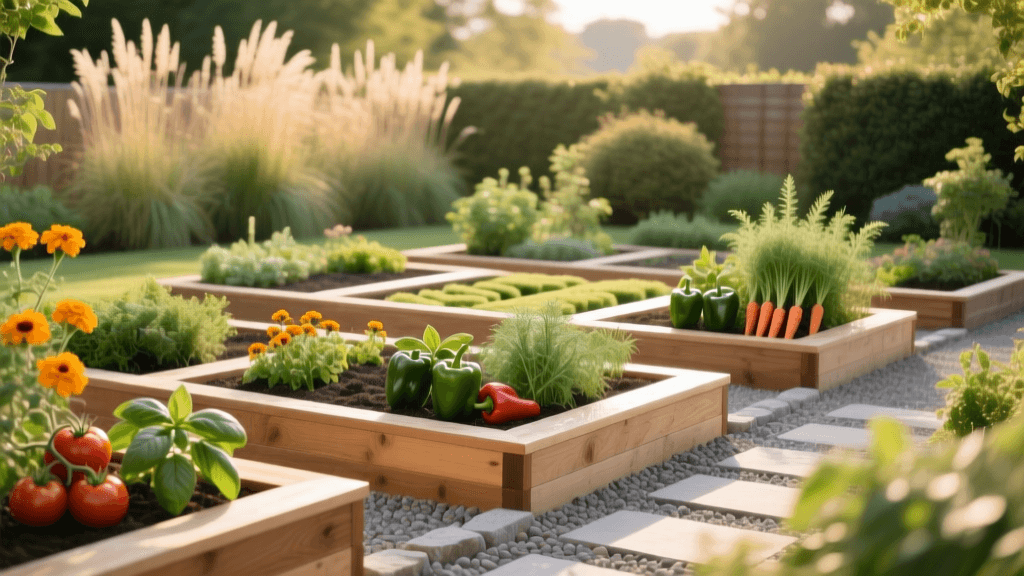
Designing a Pest-Resistant Garden: Layout and Planting
The Foundation of Pest-Resistant Landscape Design
When most homeowners think of pest control, they envision reactive measures: spraying chemical insecticides after an infestation has already damaged their prized tomatoes or ornamental roses. However, the most effective and sustainable approach to pest management begins long before the first seed is sown or the first shrub is planted. By viewing pest control through the lens of landscape design and spatial planning, you can create an ecosystem that naturally resists severe damage. This proactive methodology is the cornerstone of Integrated Pest Management (IPM), a strategy that prioritizes long-term prevention over short-term chemical fixes.
According to the Environmental Protection Agency (EPA), IPM focuses on managing the ecosystem to prevent pests from becoming a threat in the first place. By designing your garden layout to maximize airflow, leveraging companion planting, and incorporating physical hardscaping barriers, you can drastically reduce the need for costly and environmentally taxing pesticide applications. This guide will walk you through the essential design principles for planning a beautiful, resilient, and naturally pest-resistant landscape.
Strategic Garden Layout and Spatial Planning
The physical arrangement of your plants dictates the microclimates within your garden. Pests and the fungal diseases that often accompany them—such as powdery mildew, which weakens plants and attracts sap-sucking insects like spider mites—thrive in stagnant, humid environments. Overcrowding is one of the most common design mistakes that leads to severe pest outbreaks.
Optimizing Airflow and Sunlight
When planning your garden beds, always look at the "mature width" listed on the plant tag, and then add 15% to 20% to that measurement if you live in a humid climate (USDA Hardiness Zones 7 through 10). This extra spacing ensures that as plants reach their full size, air can still circulate freely between the foliage, drying out morning dew and depriving fungal gnats and mildew spores of the moisture they need to reproduce.
Sunlight mapping is equally critical. Most vegetable crops and flowering ornamentals require a minimum of six to eight hours of direct sunlight. Shade-stressed plants produce fewer natural defensive compounds (like alkaloids and tannins), making them highly susceptible to chewing insects like caterpillars and beetles. Track the shadow patterns of your home, fences, and large trees throughout the day before finalizing your bed layout to ensure your most vulnerable plants are placed in optimal solar zones.
Polyculture vs. Monoculture Layouts
A monoculture—a large, continuous block of a single plant species—is an all-you-can-eat buffet for specialized pests. If you plant a 20-foot hedge exclusively of boxwoods, a single introduction of the boxwood leafminer can devastate the entire layout. Research from Cornell University's Integrated Pest Management program consistently highlights that increasing plant biodiversity disrupts pest foraging patterns and limits the rapid spread of infestations.
To design a pest-resistant layout, practice polyculture by interplanting different species, families, and textures. For example, instead of planting a solid row of cabbage, alternate your brassicas with aromatic herbs and deep-rooted alliums. This physical barrier forces flying insects to work harder to locate their host plants, significantly reducing egg-laying rates.
Companion Planting: Nature's Chemical Warfare
Companion planting is the strategic placement of specific plants to deter pests, attract beneficial predators, or act as "trap crops." Certain plants emit volatile organic compounds (VOCs) that mask the scent of vulnerable crops, while others produce biochemicals that are toxic to soil-borne pests.
Below is a strategic companion planting chart to help you plan your garden layout for maximum biological defense:
| Target Pest | Repellent Plant | Mechanism of Action | Ideal Companion Crops |
|---|---|---|---|
| Root-Knot Nematodes | French Marigolds | Roots release alpha-terthienyl, a natural biochemical nematicide. | Tomatoes, Peppers, Roses |
| Aphids | Nasturtiums | Acts as a trap crop, drawing aphids away from prized plants. | Brassicas, Fruit Trees |
| Cabbage Loopers | Thyme | Strong volatile oils mask the scent of host plants. | Cabbage, Broccoli, Kale |
| Japanese Beetles | Garlic & Rue | Pungent sulfur compounds deter feeding and egg-laying. | Roses, Grapes, Raspberries |
When designing your beds, plant trap crops like nasturtiums on the outer perimeter of your garden, at least 10 to 15 feet away from your main harvest. This ensures that the pests are drawn to the edges of your property rather than the center. Remember to destroy the trap crop once it becomes heavily infested to break the reproductive cycle.
Designing Insectary Borders for Beneficial Predators
A truly pest-resistant garden does not aim to eradicate all insects; rather, it maintains a balanced ecosystem where predatory insects keep herbivorous pests in check. Ladybugs, green lacewings, ground beetles, and parasitic wasps are voracious predators of aphids, mites, and caterpillars. However, these beneficial insects require specific habitat conditions to overwinter and reproduce.
The United States Department of Agriculture (USDA) emphasizes the importance of providing continuous blooms and diverse structural habitats to support beneficial insect populations. To achieve this, design an "insectary border" along the edges of your property or between large garden beds.
Plant Selection for Insectary Borders
- Umbellifers: Plants like dill, fennel, yarrow, and Queen Anne’s lace feature tiny, clustered flowers that provide easily accessible nectar for small parasitic wasps and hoverflies.
- Ground Covers: Creeping thyme and low-growing clovers provide shelter for ground beetles, which hunt slugs and snail eggs at the soil level.
- Overwintering Sites: Leave a small, undisturbed corner of your garden with leaf litter and hollow-stemmed perennials to provide winter habitat for solitary bees and ladybug aggregations.
Budgeting Tip: Establishing a 20-foot by 3-foot perennial insectary border typically costs between $75 and $120 in starter plugs and compost, a one-time investment that yields years of free, biological pest control.
Hardscaping and Perimeter Defense
Landscape design extends beyond plants; hardscaping materials play a massive role in deterring structural pests and soft-bodied crawlers. Slugs, snails, termites, and carpenter ants can be managed effectively through intelligent material selection and physical barrier planning.
Slug and Snail Barriers
For raised vegetable beds, line the top edges with a 2-inch wide strip of copper tape. When the slime of a slug or snail reacts with the copper, it creates a mild electrical charge that deters them from crossing into your beds. A 30-foot roll of copper tape costs approximately $15 and lasts for several seasons.
Termite and Ant Deterrence
Never allow wood mulch to touch the siding of your home or the base of wooden fences. Termites and carpenter ants use mulch as a moisture-retaining bridge to access structural wood. Instead, design a "gravel moat" around your home's foundation. Use 3/8-inch crushed granite or gravel, laid 2 inches deep and 12 inches wide, directly against the foundation. This material drains rapidly, creating a dry, inhospitable zone for moisture-loving pests. Crushed gravel costs roughly $40 to $60 per cubic yard, making it an affordable and highly effective perimeter defense.
Soil Health and Long-Term Resilience
The final pillar of pest-resistant landscape planning is soil health. Pests are nature's scavengers; they are biologically programmed to target weak, stressed, and nutrient-deficient plants. A plant growing in biologically active, well-draining soil produces robust cell walls and higher levels of natural defense hormones, such as jasmonic acid, which signals the plant to repel chewing insects.
Before finalizing your planting layout, invest $15 to $30 in a comprehensive soil test through your local university extension office. This will reveal pH imbalances and micronutrient deficiencies that could otherwise lead to chronic plant stress and subsequent pest vulnerabilities. By amending your soil with organic compost and mycorrhizal fungi during the initial design and planting phase, you build an underground immune system that supports your above-ground pest management strategies for years to come.
By thoughtfully integrating spatial planning, companion planting, beneficial habitats, and strategic hardscaping, you transform your landscape from a vulnerable target into a resilient, self-regulating ecosystem. Designing with pests in mind is the ultimate expression of sustainable gardening, saving you time, money, and the environmental cost of chemical interventions.