Pest Control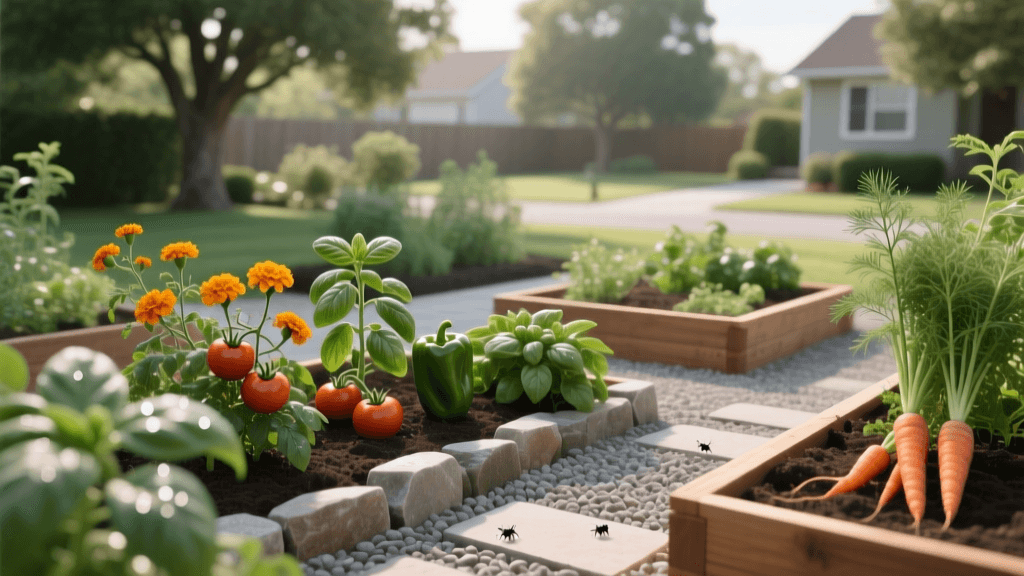
Designing a Pest-Resistant Garden: IPM Layouts & Plans
The Foundation of Pest-Resistant Landscape Design
When planning a new garden or renovating an existing landscape, pest control is rarely the first thing that comes to mind. Most homeowners focus on aesthetics, color palettes, and curb appeal. However, integrating Integrated Pest Management (IPM) principles into your initial landscape design is the most effective, long-term strategy for minimizing pest damage without relying heavily on chemical interventions. According to the Environmental Protection Agency (EPA), IPM is an effective and environmentally sensitive approach to pest management that relies on a combination of common-sense practices, starting with how you design and maintain your outdoor space.
Soil health and drainage are the invisible foundations of a pest-resistant garden. Pests like fungus gnats, root rot nematodes, and certain lawn grubs thrive in poorly drained, compacted, or overly moist soils. During the planning phase, ensure your yard is graded to slope away from structures at a minimum of 1/4 inch per foot. Incorporate organic compost to improve soil structure, which encourages deep root growth and naturally resilient plants. A plant that is not stressed by drought or waterlogging produces its own natural defense compounds, making it less attractive to sap-sucking insects like aphids and spider mites. Before planting, invest $30 to $50 in a comprehensive soil test from your local university extension to balance your pH and nutrient levels, as excess nitrogen from synthetic fertilizers can cause rapid, sappy growth that attracts aphids.
Strategic Zoning and Companion Planting Layouts
How you arrange your plants dictates how easily pests can find and devastate them. Monocultures—large swaths of a single plant species—act as an all-you-can-eat buffet for specialized pests. By designing mixed borders and utilizing companion planting, you can create a confusing olfactory and visual environment for pests while simultaneously attracting their natural predators.
Trap cropping is a brilliant design strategy where you plant a sacrificial species to draw pests away from your prized ornamentals or vegetables. For example, planting a perimeter of nasturtiums around a vegetable garden draws aphids and cabbage loopers away from your brassicas. Below is a design matrix to help you plan your companion planting layout:
| Primary Plant | Companion / Trap Crop | Target Pest Deterred or Trapped | Design Spacing |
|---|---|---|---|
| Tomatoes | French Marigolds & Basil | Root-knot nematodes, Hornworms | Interplant 12 inches apart |
| Roses | Alliums (Garlic/Chives) | Aphids, Japanese Beetles | Border planting, 6 inches from base |
| Brassicas (Cabbage) | Nasturtiums | Cabbage loopers, Aphids (Trap crop) | Plant 3 feet away from main crop |
| Fruit Trees | Dill, Yarrow, Alyssum | Attracts predatory wasps and ladybugs | Understory planting, partial shade |
When mapping out these zones, ensure that highly aromatic herbs like rosemary, lavender, and mint are placed near entryways and patio seating areas. Not only do these plants repel mosquitoes and flies, but they also create a fragrant, usable outdoor living space.
Hardscaping and Structural Defenses
Hardscaping elements serve a dual purpose in landscape architecture: they define the aesthetic lines of your garden and act as physical barriers against pests. When designing raised beds, opt for untreated cedar or composite lumber. Cedar contains natural oils (thujaplicin) that resist rot and deter termites and carpenter ants. A standard 4-foot by 8-foot bed raised to 18 inches costs approximately $150 to $250 in materials, but it elevates your crops away from ground-dwelling pests like slugs and cutworms. To further fortify these beds, line the bottom with 1/2-inch hardware cloth ($15 per roll) to block burrowing rodents such as voles and gophers.
For slug and snail deterrence, apply a 2-inch wide strip of copper tape ($12 for 30 feet) around the perimeter of the raised bed or the trunks of vulnerable trees. When a slug's slime reacts with the copper, it creates a mild electrical charge that repels them. The University of California Statewide Integrated Pest Management Program highly recommends physical barriers and habitat modification as the first line of defense in any IPM strategy. Additionally, consider replacing organic wood mulch near your home's foundation with a 24-inch-wide border of crushed gravel. This eliminates the damp, dark harborage areas that attract termites, earwigs, and centipedes, forcing them away from your home's structure.
Designing for Beneficial Insect Habitats
A truly sustainable garden design embraces the fact that not all bugs are bad. Dedicating 5% to 10% of your total garden square footage to an 'insectary border' is a hallmark of advanced landscape planning. An insectary is a carefully curated planting zone designed to provide nectar, pollen, and shelter for beneficial insects like ladybugs, lacewings, and parasitic wasps. These predators are essential for keeping aphid and caterpillar populations in check naturally.
When planning your insectary, choose plants with varying bloom times to ensure a continuous food supply from early spring to late fall. Early bloomers like alyssum and dill attract hoverflies, whose larvae are voracious aphid predators. Late-season bloomers like goldenrod and asters sustain adult ladybugs preparing for overwintering. Incorporate shallow water features, such as a birdbath filled with pebbles and water, to provide a safe drinking spot for insects without the risk of drowning. Avoid using broad-spectrum insecticides anywhere near these zones, as the USDA National Institute of Food and Agriculture notes that preserving natural enemy populations is a cornerstone of sustainable pest management.
Airflow, Spacing, and Maintenance Access
Overcrowding is a landscape design flaw that invites both pests and diseases. When plants are placed too closely together, the lack of airflow creates a humid microclimate that is ideal for fungal diseases and pests like whiteflies and spider mites. During the planning stage, always read the mature width on plant tags and space them accordingly, measuring from the center of the plant. For example, if a shrub has a mature spread of 4 feet, plant it at least 4 feet away from neighboring plants.
Furthermore, design your garden with 3-foot-wide access paths. This not only provides you with the physical space to prune, inspect the undersides of leaves for egg masses, and apply targeted organic treatments like neem oil or insecticidal soap, but it also ensures that the plant canopy dries quickly after morning dew or rainfall. Proper pruning access allows you to remove dead or diseased wood promptly, eliminating overwintering sites for borers and scale insects.
Lighting Design to Deter Nighttime Pests
Outdoor lighting is a frequently overlooked element of landscape design that can drastically affect pest pressure. Standard mercury vapor or bright white LED bulbs emit ultraviolet and blue light spectrums that attract moths, beetles, and flying ants. These insects, in turn, attract predatory wildlife like raccoons and skunks that can tear up your lawn in search of a meal. When planning your outdoor lighting layout, opt for warm-toned LED bulbs (2700K or lower) or sodium vapor lights, which emit a yellow hue that is far less visible to most nocturnal insects. Position downlighting in trees rather than uplighting, and use motion sensors for pathway lights to minimize the time your yard is illuminated. This simple design choice disrupts the mating and feeding cycles of nighttime pests, keeping your landscape healthier and your lawn intact.
Conclusion: Planning for Long-Term Resilience
Designing a pest-resistant garden requires a shift in perspective. Instead of viewing pests as an inevitable nuisance to be eradicated with chemicals, view them as an indicator of an imbalanced ecosystem. By thoughtfully planning your soil grading, companion planting layouts, hardscaping barriers, and beneficial insect habitats, you create a landscape that is naturally resilient. The upfront costs and planning time invested in an IPM-focused design will pay dividends for years to come, resulting in a vibrant, thriving garden that requires less maintenance, fewer chemical interventions, and provides a safer environment for your family and local wildlife.