Pest Control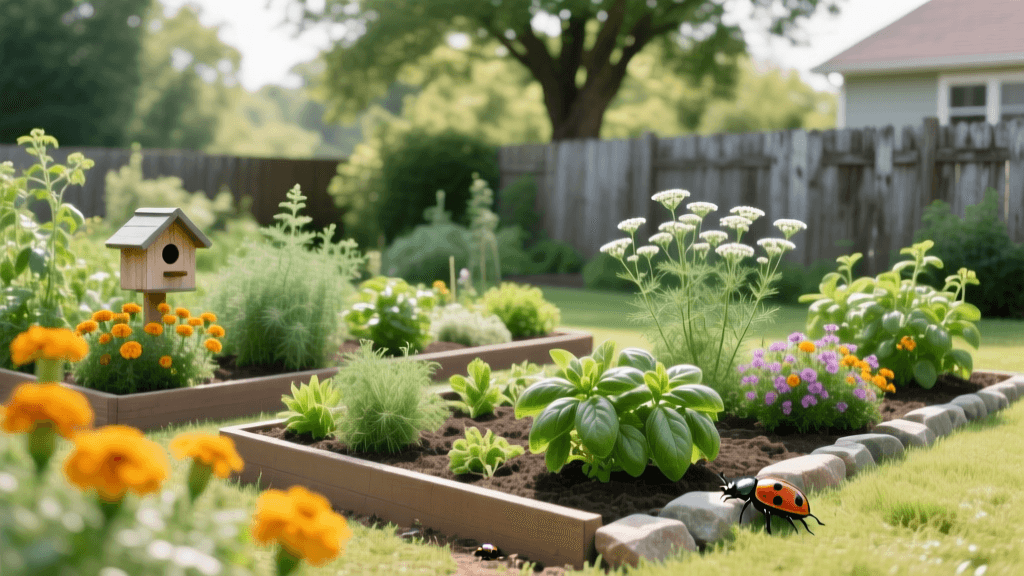
Designing a Pest-Resistant Garden With IPM Strategies
The Foundation of IPM Landscape Design
When most homeowners think of pest control, they envision reactive measures: spraying chemicals after an aphid infestation has already decimated their roses, or setting traps once moles have tunneled through the lawn. However, true pest management begins long before the first seed is sown or the first shovel hits the dirt. By adopting Integrated Pest Management (IPM) principles during the landscape design and planning phase, you can create an outdoor space that naturally resists severe pest damage. According to the Environmental Protection Agency (EPA), IPM is an effective and environmentally sensitive approach to pest management that relies on a combination of common-sense practices, including comprehensive knowledge of pest life cycles and their interaction with the environment.
Designing a pest-resistant garden is about shifting your perspective from 'eradication' to 'ecosystem management.' By strategically planning your garden beds, incorporating biological controls, and utilizing physical barriers in your hardscaping, you can minimize the need for chemical interventions. This guide will walk you through the essential design ideas and planning strategies required to build a resilient, IPM-focused landscape from the ground up.
Phase 1: Site Analysis and Microclimate Mapping
The first step in IPM landscape design is a thorough site analysis. Pests are naturally drawn to stressed plants, and plant stress is most commonly caused by placing a species in an environment where it does not naturally thrive. Before drawing up your garden beds, map the microclimates of your yard.
- Sunlight Tracking: Note which areas receive full sun (6+ hours), partial shade, or full shade. Planting shade-loving hostas in full sun will cause heat stress, making them prime targets for spider mites and foliar nematodes.
- Drainage and Soil Topography: Observe how water moves through your yard after a heavy rain. Poorly drained, compacted soils invite root rot pathogens and fungus gnats, while also creating ideal breeding grounds for mosquitoes. Plan to amend these areas with organic compost or design rain gardens to manage water flow.
- Soil Testing: Invest $15 to $30 in a comprehensive soil test from a local university extension office. Understanding your soil pH and nutrient profile allows you to select plants that will thrive without excessive synthetic fertilizers, which can cause rapid, sappy growth that attracts sap-sucking insects like aphids.
As noted by the University of California Statewide IPM Program, the core tenet of landscape IPM is the 'Right Plant, Right Place' principle. Matching plant requirements to your specific site conditions is the most cost-effective and long-lasting pest prevention strategy available to a garden designer.
Phase 2: Designing Polycultures and Companion Planting Guilds
Monocultures—large expanses of a single plant species—are an all-you-can-eat buffet for specialized pests. If you plant a 50-foot hedge of identical arborvitae, a single spider mite infestation can spread rapidly and destroy the entire barrier. IPM design favors polycultures: diverse plant communities that mimic natural ecosystems and disrupt pest foraging patterns.
When planning your garden beds, design 'plant guilds' that support one another. Companion planting involves interspersing species that emit natural pest-deterring volatile oils or act as 'trap crops' to lure pests away from your prized specimens.
| Primary Crop / Plant | Companion / Trap Crop | Pest Management Benefit |
|---|---|---|
| Tomatoes and Peppers | Marigolds and Basil | Marigold roots exude alpha-terthienyl, which suppresses root-knot nematodes. Basil masks the scent of tomatoes from hornworm moths. |
| Roses and Ornamentals | Nasturtiums | Nasturtiums act as a trap crop, drawing aphids away from rose canes. They also provide ground cover to retain soil moisture. |
| Brassicas (Cabbage, Kale) | Sweet Alyssum and Dill | Attracts parasitic wasps and hoverflies that prey on cabbage loopers and aphids. |
| Fruit Trees | Alliums (Garlic, Chives) | The strong sulfur compounds in alliums deter borers, Japanese beetles, and certain fungal diseases like apple scab. |
By integrating these companion plants into your initial landscape blueprint, you weave pest defense directly into the aesthetic fabric of your garden.
Phase 3: Integrating Insectary Plants for Biological Control
A critical component of IPM design is conservation biocontrol—creating habitats that attract and sustain beneficial predatory insects. You cannot rely on ladybugs and lacewings to control your aphid population if they have nowhere to live, hide, and reproduce. The Xerces Society for Invertebrate Conservation emphasizes that providing continuous blooms and undisturbed overwintering sites is essential for maintaining stable populations of natural enemies.
When planning your garden borders and perimeter beds, dedicate at least 10% to 15% of your planting space to 'insectary plants.' These are species specifically chosen for their floral structure, which provides nectar and pollen to beneficial insects with short mouthparts, such as parasitic wasps, predatory mites, and syrphid flies.
Top Insectary Plants to Include in Your Design:
- Yarrow (Achillea millefolium): Features flat-topped flower clusters that serve as excellent landing pads for predatory wasps.
- Goldenrod (Solidago spp.): A crucial late-season nectar source that sustains beneficial insects heading into winter dormancy.
- Bachelor's Buttons (Centaurea cyanus): Provides extrafloral nectar that keeps predatory insects in your garden even when pest populations are low.
- Buckwheat (Fagopyrum esculentum): A fast-growing annual cover crop that blooms in just 30 days, attracting massive numbers of hoverflies and minute pirate bugs.
'A garden without habitat for beneficial insects is a garden that will always rely on external inputs to maintain balance. Design the habitat, and the pest control will follow.' — IPM Landscape Planning Principle
Phase 4: Constructing Beetle Banks and Buffer Zones
If you have a larger property or a transition zone between a manicured lawn and a wilder natural area, consider designing a 'beetle bank.' Originally developed in the UK for agricultural pest management, beetle banks are raised berms planted with native bunchgrasses that provide overwintering habitat for ground beetles (Carabidae), spiders, and other voracious predators of slugs, snails, and caterpillars.
Design Specifications for a Beetle Bank:
- Dimensions: Plan for a berm that is 3 to 4 feet wide and 12 to 18 inches high. Length will depend on your property boundaries.
- Soil Preparation: Mound the existing topsoil, avoiding heavy compaction. Ground beetles need loose, friable soil to burrow and lay eggs.
- Planting: Seed densely with native bunchgrasses like Little Bluestem (Schizachyrium scoparium) or Switchgrass (Panicum virgatum). Avoid broadleaf perennials in the bank itself, as the dense grass tussocks provide the specific microclimate these predators require.
- Placement: Position beetle banks perpendicular to the prevailing wind to create a windbreak, and ensure they are situated near high-value crops or garden beds so predators can easily forage outward.
Phase 5: Hardscaping and Physical Exclusion Tactics
Landscape design is not just about softscapes (plants); hardscaping plays a massive role in IPM. Physical barriers and strategic material choices can block pests from entering your growing areas entirely. Incorporate these elements into your initial blueprints to save time and money on future pest remediation.
Raised Beds and Root Barriers
When designing raised vegetable beds, plan for subterranean pests like gophers and voles. Before adding soil, line the bottom of every raised bed with 1/2-inch galvanized hardware cloth. This small upfront cost (approximately $25 per roll) prevents burrowing rodents from accessing your root vegetables from below. Avoid using chicken wire, as its larger gauge allows young gophers to squeeze through.
Slug and Snail Deterrent Borders
Slugs and snails are notorious for decimating young seedlings. When planning pathways around vulnerable garden beds, use sharp, abrasive hardscaping materials. A 6-inch wide border of crushed gravel, sharp sand, or diatomaceous earth creates a physical barrier that soft-bodied pests are reluctant to cross. Additionally, if you are designing retaining walls or bed borders, consider installing copper tape or copper flashing along the top edge. When a slug's slime reacts with the copper, it creates a mild electrical charge that repels them.
Strategic Lighting Placement
Light pollution heavily impacts nocturnal insect behavior. Bright, cool-white LED security lights placed directly over garden beds will attract massive swarms of night-flying moths, which will subsequently lay eggs that hatch into destructive caterpillars (such as the squash vine borer or cabbage looper). Plan your landscape lighting to use warm-toned (amber or yellow) bulbs, and position fixtures to illuminate pathways and architectural features rather than shining directly onto your plant canopy.
Conclusion: Planning for Long-Term Resilience
Designing a pest-resistant garden using IPM strategies requires a shift from short-term aesthetics to long-term ecological planning. By mapping your microclimates, embracing polycultures, designing dedicated insectary habitats, and integrating physical barriers into your hardscaping, you build a landscape that defends itself. While an IPM-designed garden may require more thoughtful planning and a slightly higher initial investment in soil health and diverse plant stock, the return on investment is profound. You will spend significantly less time and money on chemical pesticides, while enjoying a vibrant, dynamic garden ecosystem that thrives in natural balance.