Home & Garden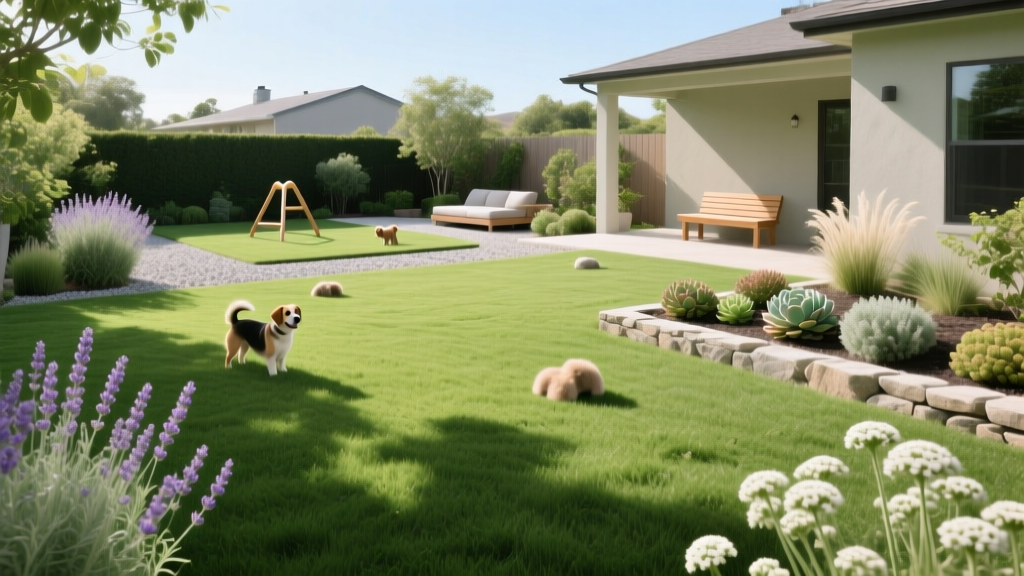
Designing a Pet-Friendly Yard: Safe Plants and Durable Grass
David ParkPublished
Introduction to Pet-Friendly Landscaping
Creating a landscape that caters to both the aesthetic desires of the homeowner and the energetic needs of a family dog is one of the most rewarding challenges in modern outdoor design. A truly pet-friendly yard goes beyond simply installing a fence; it requires thoughtful selection of durable turf, strategic zoning for play and elimination, and a strict adherence to non-toxic planting schemes. According to the American Kennel Club, millions of dogs suffer from yard-related injuries or toxic plant ingestion each year, making proactive landscape design a critical component of responsible pet ownership. By integrating family-friendly hardscaping and organic maintenance routines, you can cultivate a vibrant, resilient outdoor sanctuary that withstands heavy paw traffic while keeping your furry companions safe.
The Foundation: Choosing Durable, Pet-Safe Grass
The most common casualty in a dog-friendly yard is the lawn. Dog urine, which is high in nitrogen and salts, combined with the physical wear and tear of running and digging, can quickly turn a lush lawn into a patchwork of mud and dead spots. Selecting the right grass species is your first line of defense. Warm-season grasses generally offer superior wear tolerance and rapid recovery, while cool-season grasses provide excellent year-round color in northern climates but may require more frequent overseeding.
Below is a comparison of the most durable grass types for high-traffic, pet-heavy landscapes:
| Grass Type | Climate Zone | Durability (1-10) | Recovery Rate | Estimated Cost (per sq ft) |
|---|---|---|---|---|
| Bermuda | Warm | 9/10 | Fast | $0.05 (Seed) / $0.40 (Sod) |
| Zoysia | Warm/Transition | 8/10 | Medium | $0.10 (Seed) / $0.45 (Sod) |
| Tall Fescue | Cool | 7/10 | Medium | $0.06 (Seed) / $0.35 (Sod) |
| Kentucky Bluegrass | Cool | 8/10 | Fast | $0.04 (Seed) / $0.30 (Sod) |
| Perennial Ryegrass | Cool | 6/10 | Slow | $0.03 (Seed) / $0.25 (Sod) |
Pro Tip: If you live in a transitional zone, consider a mix of Tall Fescue and Kentucky Bluegrass. The deep root system of the fescue provides drought resistance, while the bluegrass offers the rhizomatous spreading needed to heal divots caused by dog paws.
Smart Yard Zoning for Dogs and Families
Rather than expecting your dog to treat the entire yard with equal respect, divide your outdoor space into functional zones. This concept, often referred to as pet-scaping, protects your prized garden beds while giving your dog a designated area to fulfill their natural instincts.
The Potty Zone
Designate a specific 4x6 foot area for elimination, ideally in a shaded, easily accessible corner of the yard. Cover this zone with 3/8-inch pea gravel laid over a 2-inch base of crushed limestone. Pea gravel is gentle on paw pads, drains exceptionally well, and is easy to hose down. Avoid using sharp gravel or large river rocks, which can get lodged in paws or swallowed by curious puppies.
The Running Track
Dogs naturally patrol the perimeter of their territory, which often results in a worn-out dirt path along the fence line. Instead of fighting this behavior, embrace it by installing a dedicated running track. Use cedar or pine bark mulch along the fence perimeter. Warning: Never use cocoa bean mulch. According to the ASPCA, cocoa bean mulch contains theobromine and caffeine, the same toxic compounds found in chocolate, which can be fatal if ingested by dogs.
The Lounging and Cooling Area
Dogs do not sweat like humans; they cool themselves primarily through panting and releasing heat through their paw pads. Provide a dedicated cooling station featuring a shallow, ground-level water feature or a patch of cooling synthetic turf. Ensure this area is shaded by a permanent structure or a mature, pet-safe tree like a Maple or Birch.
Pet-Safe Landscaping: Plants to Grow and Avoid
When designing garden beds adjacent to play areas, plant toxicity is a paramount concern. Dogs and cats frequently chew on grass and foliage, especially when they have an upset stomach or are simply bored. The ASPCA Toxic and Non-Toxic Plants database is an essential resource for homeowners to cross-reference before purchasing any nursery stock.
Highly Toxic Plants to Remove Immediately
- Sago Palm: All parts are toxic, especially the seeds. Ingestion can cause liver failure.
- Oleander: Contains cardiac glycosides; even a single leaf can be lethal.
- Azaleas and Rhododendrons: Contain grayanotoxins, which can induce vomiting, drooling, and cardiovascular collapse.
- Lilies: While primarily a severe kidney toxin for cats, certain lilies can cause gastrointestinal distress in dogs.
Safe, Resilient Alternatives
- Snapdragons: Non-toxic and add vibrant vertical color to garden borders.
- Sunflowers: Completely safe and provide excellent seasonal height.
- Boston Ferns: Great for shaded, elevated planters where they are out of the digging zone.
- Rosemary and Thyme: These hardy, aromatic herbs are safe for pets and act as natural flea deterrents.
Hardscaping, Fencing, and Safety Measures
Hardscaping elements must be evaluated for both physical safety and thermal comfort. Dark-colored concrete pavers and asphalt can easily exceed 140 degrees Fahrenheit in direct summer sunlight, leading to severe paw pad burns. Opt for light-colored natural flagstone, poured concrete, or composite decking, which reflect heat and remain comfortable for bare paws.
Fencing is the ultimate safeguard. For medium to large breeds, a 6-foot wooden privacy fence is recommended to prevent jumping. However, the top of the fence is only half the battle. To thwart diggers, install a dig-proof L-footer. Bury a 12-inch wide strip of galvanized hardware cloth horizontally along the base of the fence, extending inward toward the yard, and cover it with soil or sod. This creates an underground barrier that stops dogs from tunneling out.
Organic Lawn Maintenance and Urine Spot Repair
Traditional synthetic fertilizers and harsh chemical herbicides pose a significant risk to pets that spend time lying on and grooming themselves after playing on the lawn. The Environmental Protection Agency (EPA) strongly advocates for integrated pest management and organic lawn care practices to protect both human and animal health. Transition to pet-safe, organic lawn foods like Espoma Organic Lawn Food, which relies on feather meal and pasteurized poultry manure to deliver slow-release nitrogen without the risk of chemical burns.
When dealing with dog urine spots, time is of the essence. The nitrogen and salts in urine act like a fertilizer overdose, burning the grass crown. Keep a watering can filled with 1 gallon of water near the back door. If you catch your dog eliminating, immediately flush the area with the water to dilute the nitrogen concentration below the damage threshold. For existing dead spots, rake out the dead thatch, loosen the topsoil, and overseed with a durable perennial ryegrass or fescue blend, keeping the patch moist until germination occurs in 7 to 10 days.
Conclusion
Designing a pet-friendly yard is an exercise in compromise, durability, and safety. By selecting high-traffic grass varieties, implementing smart functional zones, strictly avoiding toxic flora, and committing to organic maintenance, you can create a stunning outdoor living space that serves the entire family. Your yard should be a haven for relaxation and play, and with these actionable landscaping strategies, it will remain beautiful and safe for years to come.
