Home & Garden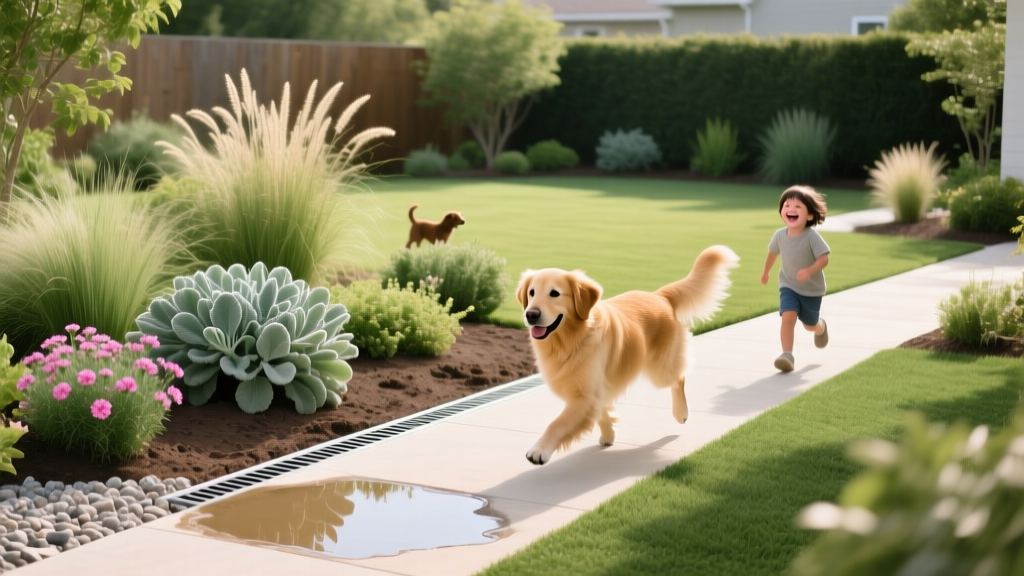
Pet-Friendly Yard Design: Safe Plants and Mud-Free Zones
Emily WatsonPublished
Creating the Ultimate Pet-Friendly and Family-Safe Backyard
Designing a backyard that caters to both active children and energetic dogs requires a delicate balance between aesthetics and durability. A standard manicured lawn often falls victim to the heavy foot traffic, digging, and biological wear-and-tear that comes with family life and pet ownership. However, by integrating smart landscaping principles, non-toxic botanical selections, and robust drainage systems, you can transform your outdoor space into a resilient, mud-free oasis. This comprehensive guide explores actionable strategies for building a yard that is as safe as it is beautiful, bridging the gap between indoor comfort and outdoor adventure.
The Foundation: Choosing Pet-Safe and Non-Toxic Plants
When curating your garden beds, the safety of your pets and toddlers must be the primary consideration. Many common ornamental plants contain compounds that are highly toxic to dogs and cats if ingested. According to the ASPCA's Toxic and Non-Toxic Plants database, popular landscaping staples like Sago Palms, Oleanders, Azaleas, and Lilies pose severe, sometimes fatal, risks to pets. Even the seeds of a Sago Palm can cause acute liver failure in dogs.
Safe Alternatives for Your Garden Beds
To maintain a lush, colorful landscape without the risk, opt for verified non-toxic alternatives. Consider incorporating the following pet-safe plants into your garden design:
- Boston Ferns: Excellent for shaded, humid areas and completely safe for curious chewers.
- Snapdragons: A vibrant, non-toxic annual that adds vertical color to borders and raised beds.
- Spider Plants: Hardy, safe, and great for hanging baskets or shaded ground cover.
- Rosemary and Thyme: Not only are these culinary herbs safe, but their strong scents can also act as a natural, mild deterrent for neighborhood cats looking for a litter box.
Always cross-reference any new plant, shrub, or tree with the ASPCA database before introducing it to your yard, as toxicity levels can vary wildly even within the same plant family.
Durable Ground Covers for High-Traffic Zones
Traditional turfgrasses, such as Kentucky Bluegrass or Fescue, are notorious for developing brown spots from dog urine and turning into muddy slip-and-slides during rainy seasons. To maintain a green, usable space, homeowners are increasingly turning to alternative ground covers that offer superior durability and mud control.
The Rise of the Microclover Lawn
Microclover (Trifolium repens) has emerged as a superstar in the pet-friendly landscaping world. Unlike traditional grass, clover is highly resistant to nitrogen burns caused by dog urine. In fact, as a nitrogen-fixing legume, it naturally fertilizes the soil, keeping the lawn vibrant and green without the need for synthetic chemicals. According to research highlighted by Penn State Extension, integrating clover into your lawn improves soil health, reduces water requirements, and maintains a soft, walkable surface for bare feet and paws alike.
Ground Cover Comparison Chart
When selecting the right surface for your high-traffic zones, consider the following comparison of popular pet-friendly ground covers:
| Ground Cover Type | Traffic Durability | Mud & Erosion Control | Urine Resistance | Est. Cost (per sq. ft.) |
|---|---|---|---|---|
| Microclover Blend | High | Excellent | Very High | $0.15 - $0.25 |
| Creeping Thyme | Medium | Good | Medium | $0.30 - $0.50 |
| Artificial Pet Turf | Very High | Excellent | High (Requires Washing) | $6.00 - $12.00 |
| Kentucky Bluegrass | Low to Medium | Poor (Prone to Mud) | Low (Browns Easily) | $0.10 - $0.20 |
| Pea Gravel / Mulch | High | Excellent | N/A | $0.50 - $1.50 |
For dedicated dog runs or play areas, installing a base of crushed gravel topped with smooth river rocks or specialized pet-friendly artificial turf with antimicrobial infill can entirely eliminate mud while providing excellent drainage.
Smart Drainage Solutions to Eliminate Mud
Even the most durable ground cover will fail if the underlying soil is waterlogged. Eliminating mud requires addressing the hydrology of your yard. Poor drainage not only creates a mess that gets tracked into your home but also creates a breeding ground for mosquitoes and bacteria.
Installing a French Drain System
If your yard features low spots where water pools after a storm or where dogs frequently run, a French drain is an essential DIY or professional project. Here is a standard specification for a residential French drain:
- Dig a Trench: Excavate a trench approximately 12 inches deep and 6 to 8 inches wide, ensuring a slight downward slope (about 1 inch of drop for every 8 feet of length) toward a safe discharge area or dry well.
- Lay Landscape Fabric: Line the trench with permeable landscape fabric to prevent soil from clogging the system over time.
- Add Gravel Base: Pour 2 to 3 inches of washed, crushed drainage gravel (typically 3/4-inch stone) into the bottom.
- Install Perforated Pipe: Lay a 4-inch corrugated or PVC perforated pipe with the holes facing downward. This allows water to seep up into the pipe from the saturated gravel bed.
- Cover and Finish: Cover the pipe with more gravel until the trench is filled to within 2 inches of the surface, then fold the landscape fabric over the top and cover with topsoil or sod.
Dry Creek Beds for Aesthetic Drainage
For areas where water naturally flows across the surface, a dry creek bed serves a dual purpose: it manages runoff and adds a striking architectural element to your landscape. By lining a shallow swale with heavy-duty weed barrier and filling it with a mix of large boulders, river cobbles, and pea gravel, you create a designated waterway that prevents soil erosion and keeps paws clean during rainy weather.
Safe Fencing and Boundary Management
A secure perimeter is non-negotiable for family and pet safety. The American Kennel Club (AKC) emphasizes that proper fencing not only keeps your pets safe from traffic and predators but also protects local wildlife from your pets. When designing your boundaries, consider the specific behaviors of your dogs.
Dig-Proofing Your Perimeter
For avid diggers like Terriers and Huskies, a standard fence is often insufficient. To create a dig-proof barrier, install an 'L-footer' along the base of your fence line. This involves attaching heavy-duty galvanized chicken wire or hardware cloth to the bottom of the fence, extending it outward into the yard by 12 to 24 inches, and burying it just beneath the topsoil or covering it with mulch. When a dog attempts to dig at the fence line, they immediately hit the wire barrier and typically abandon the effort.
Smart Gates and Latches
Family yards see a lot of foot traffic, which means gates are frequently left ajar. Invest in self-closing gate hinges and heavy-duty, dual-action latches that require a two-step release mechanism. This prevents clever dogs from learning to nose-open standard gravity latches and ensures the gate automatically secures itself after children run through.
Creating Shaded Retreats and Hydration Stations
Just like humans, pets are susceptible to heat exhaustion. A truly family-friendly yard must incorporate intentional cooling zones. If your yard lacks mature shade trees, consider installing architectural shade sails. These UV-blocking fabric canopies can be tensioned between the house, fence posts, or dedicated steel poles to create instant, stylish shaded patios.
Integrated Hydration Solutions
Keep fresh water accessible without the hassle of constantly refilling bowls that get knocked over and create localized mud patches. You can integrate a pet-safe hydration station by connecting a gravity-fed waterer to a smart drip irrigation line. Alternatively, install a dog-activated water fountain step that screws directly onto your outdoor hose spigot, allowing your pet to press a lever for fresh, on-demand drinking water while keeping the surrounding area dry.
Eco-Friendly Pest and Weed Control
Maintaining a safe yard extends to the chemicals you apply to the soil. Synthetic herbicides and traditional pesticides can be highly toxic to pets who walk on treated grass and subsequently lick their paws. Transition to organic, pet-safe lawn care practices to protect your family's health.
- Corn Gluten Meal: Use this natural byproduct as a pre-emergent weed preventer in early spring. It is entirely safe for pets and adds a small amount of nitrogen to the soil.
- Nematodes: To control fleas, ticks, and grubs naturally, apply beneficial nematodes to your lawn. These microscopic organisms hunt pest larvae in the soil without harming earthworms, plants, or mammals.
- Horticultural Vinegar: For spot-treating weeds in driveway cracks or fence lines, use a 20% horticultural vinegar solution. It desiccates weeds on contact and breaks down harmlessly in the soil within days.
Conclusion
Transforming your outdoor space into a pet-friendly and family-safe haven is a highly rewarding investment that enhances your home's livability. By carefully selecting non-toxic plants, replacing fragile turf with durable alternatives like microclover, engineering smart drainage systems, and fortifying your boundaries, you eliminate the primary pain points of yard ownership. The result is a resilient, mud-free landscape where children can play barefoot and dogs can roam freely, bridging the best of indoor comfort with the boundless joy of the outdoors.
