Home & Garden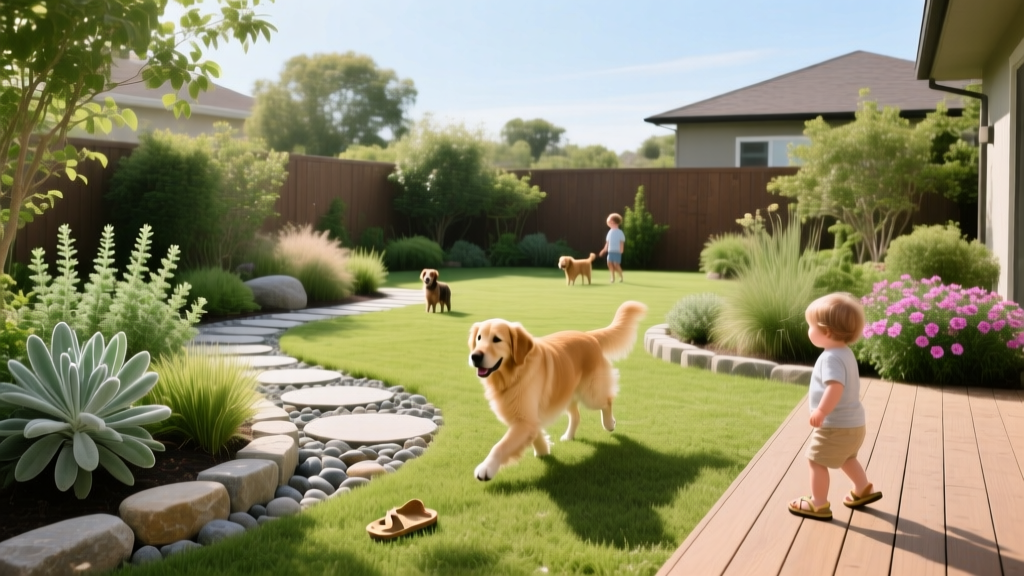
Pet and Family Safe Yard Design: Non-Toxic Plants & Durable Turf
James MillerPublished
Designing a Yard Where Kids and Pets Can Safely Roam
Creating a beautiful outdoor living space that bridges the gap between indoor comfort and outdoor freedom is a top priority for modern homeowners. However, when your family includes energetic children and four-legged companions, standard landscaping practices often fall short. A pristine, delicate garden is no match for a digging Golden Retriever or a toddler sprinting through the flowerbeds. Designing a pet and family-friendly yard requires a strategic approach that balances aesthetic appeal with rugged durability and, most importantly, safety. From selecting traffic-tolerant turfgrass to avoiding toxic flora and hazardous mulches, every element of your landscape must be vetted for the well-being of your loved ones. This comprehensive guide will walk you through the actionable steps, specific product recommendations, and design principles needed to transform your outdoor space into a safe, resilient haven for your entire family.
Choosing the Right Turfgrass for High Traffic
The foundation of any family yard is the lawn. High-traffic areas demand grass species that possess deep root systems and rapid recovery rates. Dog urine, which is high in nitrogen, can cause severe burn spots on delicate grasses like Kentucky Bluegrass. Furthermore, the physical wear and tear from children playing tag or dogs chasing frisbees requires a resilient blade structure.
Top Durable Grass Varieties
- Bermudagrass: Ideal for warm climates, Bermudagrass is incredibly tough and recovers quickly from damage. It thrives in full sun and requires about 1 to 1.5 inches of water per week.
- Zoysiagrass: Known for its dense, carpet-like growth, Zoysia is highly resistant to weeds and tolerates moderate shade. Its thick mat makes it difficult for weeds to penetrate, reducing the need for chemical herbicides.
- Tall Fescue: For cool-season regions, Tall Fescue is the undisputed champion of durability. Its deep roots, often reaching 2 to 3 feet, make it drought-tolerant and highly resistant to dog urine burns compared to other cool-season grasses.
| Grass Type | Climate | Traffic Tolerance | Urine Resistance | Avg. Sod Cost (per sq. ft.) |
|---|---|---|---|---|
| Bermudagrass | Warm | Excellent | Moderate | $0.35 - $0.85 |
| Zoysiagrass | Warm/Transition | Very Good | Moderate | $0.40 - $0.90 |
| Tall Fescue | Cool | Excellent | High | $0.30 - $0.70 |
| Perennial Ryegrass | Cool | Good | Low | $0.25 - $0.60 |
Curating a Non-Toxic Plant Palette
According to the ASPCA's Toxic and Non-Toxic Plants database, hundreds of common landscaping plants pose severe health risks to dogs and cats if ingested. When designing garden borders, raised beds, or privacy screens, it is crucial to verify every species before planting. Puppies and toddlers are notorious for exploring the world with their mouths, making plant toxicity a primary concern.
Top Pet-Safe Plants for the Garden
- Boston Ferns: Perfect for shaded patio corners and hanging baskets.
- Sunflowers: Add vibrant height and are completely non-toxic to pets and children.
- Snapdragons: A colorful, safe alternative to toxic flowers like Foxglove or Larkspur.
- Calathea (Prayer Plant): Excellent for shaded garden borders in warmer climates.
- Bamboo Palm: A safe, tropical-looking privacy screen that won't harm curious chewers.
Highly Toxic Plants to Avoid at All Costs
- Sago Palm: Highly toxic to the liver; even a single seed can be fatal to a dog.
- Oleander: Contains cardiac glycosides; extremely dangerous to both humans and pets.
- Azaleas and Rhododendrons: Can cause cardiovascular collapse and coma if ingested.
- Lily of the Valley: Causes severe vomiting and heart arrhythmias.
Safe Mulching and Hardscaping Materials
Mulch retains moisture and suppresses weeds, but not all mulch is created equal. Cocoa bean mulch is a popular choice among gardeners due to its rich, dark color and sweet, chocolate-like scent. However, the American Kennel Club (AKC) strongly warns that cocoa mulch contains theobromine and caffeine—the exact same toxic compounds found in chocolate. Ingestion can lead to vomiting, diarrhea, elevated heart rates, and even fatal seizures in dogs.
Family-Safe Mulch Alternatives
- Untreated Cedar or Pine Bark: Natural, safe, and smells great. Ensure it is not dyed with chemical colorants.
- Arborist Wood Chips: Often free from local tree services, these are large enough to deter ingestion and break down slowly to enrich the soil.
- River Rocks (Large): Use smooth stones that are at least 2 to 3 inches in diameter. Anything smaller poses a choking hazard for toddlers and a swallowing risk for dogs.
When designing hardscape pathways, opt for smooth flagstone or poured concrete rather than sharp, jagged gravel, which can easily slice open tender paw pads or scrape children's knees during a fall.
Smart Irrigation, Drainage, and Pet-Safe Lawn Care
Standing water is the enemy of a usable family yard. It breeds mosquitoes, creates muddy paw prints, and invites fungal skin infections in pets. Ensure your yard is graded properly, sloping away from the home at a minimum rate of 1/4 inch per foot. For low-lying areas, install a French drain using a 4-inch perforated PVC pipe surrounded by washed gravel to redirect excess water away from play zones.
Smart irrigation systems, such as the Rachio 3 Smart Sprinkler Controller, allow you to schedule watering for the early morning hours (e.g., 4:00 AM to 6:00 AM). According to the EPA WaterSense program, optimizing your outdoor water use not only conserves resources but also prevents the runoff that creates muddy, hazardous play areas. This ensures the grass is completely dry by the time kids and pets go out to play, preventing mud and reducing the risk of lawn diseases that thrive on wet foliage. Furthermore, when fertilizing, avoid synthetic chemicals and bone-meal-based organic fertilizers, which can ironically attract dogs to dig up and eat the lawn. Instead, opt for a pet-safe, plant-based organic fertilizer like Espoma Organic All-Season Lawn Food. Always water in granular fertilizers immediately and keep pets off the lawn until the blades are 100% dry.
Creating Designated Activity Zones
Rather than expecting your entire yard to remain pristine, design specific zones for different activities. Create a designated digging pit or potty zone in a discreet corner of the yard. Fill a 4-foot by 4-foot raised cedar planter box with a mix of 70% play sand and 30% topsoil. Bury a few of your dog's favorite toys in the sand to encourage them to dig there instead of in your prize-winning flowerbeds. Surround this area with a 6-foot wooden privacy fence to block visual stimuli (like passing cars or neighborhood cats) that might trigger barking and fence-running behaviors.
Pro Tip: Always inspect your fence line monthly. Look for gaps under the fence, loose boards, or protruding nails that could injure a running child or an escaping pet. A secure perimeter is the ultimate foundation of a family-friendly landscape.
Conclusion
Transforming your outdoor space into a pet and family-friendly yard does not mean sacrificing beauty or landscape design. By choosing resilient turfgrasses like Tall Fescue or Zoysia, rigorously vetting your plant palette against ASPCA toxicity lists, and utilizing safe hardscaping and smart irrigation technologies, you can cultivate an environment that is as safe as it is stunning. With thoughtful planning and the right materials, your lawn will become the ultimate backyard retreat where memories are made, paws are safe, and bare feet can roam freely.
