Home & Garden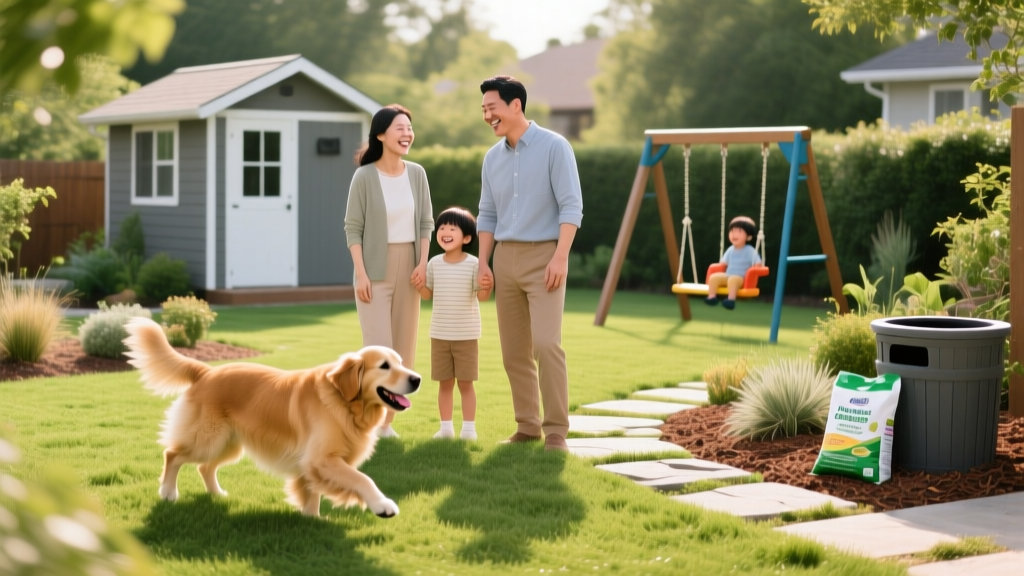
Pet-Safe & Family-Friendly Lawn Care: A Complete Guide
Sarah ChenPublished
Creating the Ultimate Pet-Safe and Family-Friendly Lawn
Designing a yard that caters to both the aesthetic desires of a homeowner and the chaotic realities of toddlers and pets is one of the most common challenges in modern landscaping. A pristine, golf-course-style lawn rarely survives the heavy foot traffic of a family playset or the daily zoomies of a Golden Retriever. Furthermore, the traditional chemical treatments used to maintain perfect turf can pose significant health risks to children and pets who spend hours crawling, rolling, and playing on the grass. Bridging the gap between indoor comfort and outdoor living requires a strategic approach to lawn care, focusing on durable turfgrass species, organic soil amendments, and intelligent hardscaping. This comprehensive guide will walk you through the exact steps, products, and measurements needed to cultivate a lush, resilient, and entirely safe outdoor oasis for your entire family.
Choosing the Right High-Traffic Grass
The foundation of any family-friendly yard is the turf itself. Delicate grasses like fine fescues or Kentucky bluegrass (when grown in partial shade) will quickly turn to mud pits under the weight of active dogs and children. According to turfgrass research from Penn State Extension, selecting a grass species with high wear tolerance and rapid recuperative potential is critical for high-traffic zones. You must also consider your local climate zone, as cool-season and warm-season grasses behave very differently under stress.
Top Grass Varieties for Active Yards
For cool-season climates (Northern US), Perennial Ryegrass and Tall Fescue are the undisputed champions of durability. Tall Fescue features deep root systems that withstand drought and heavy paws, while Perennial Ryegrass germinates quickly and handles aggressive foot traffic. For warm-season climates (Southern US), Bermudagrass and Zoysia are ideal. Bermudagrass recovers from damage incredibly fast due to its aggressive spreading stolons, while Zoysia creates a dense, carpet-like lawn that naturally chokes out weeds and resists digging.
| Grass Type | Climate Zone | Traffic Tolerance | Recovery Rate | Est. Seed Cost (per lb) |
|---|---|---|---|---|
| Tall Fescue | Cool / Transition | High | Moderate | $4 - $8 |
| Perennial Ryegrass | Cool | Very High | Fast | $5 - $9 |
| Bermudagrass | Warm | Excellent | Very Fast | $8 - $15 |
| Zoysia | Warm / Transition | High | Slow | $15 - $25 (Sod/Plugs) |
Pro Tip: To maximize durability, maintain a mowing height of at least 3 to 4 inches for cool-season grasses. Taller grass blades promote deeper root growth, shade out weed seeds, and provide a softer landing pad for toddlers.
Rethinking Fertilizers and Weed Control
Traditional synthetic lawn care routines often rely on chemicals like 2,4-D and glyphosate, which have been linked to health concerns in both humans and canines. The Environmental Protection Agency (EPA) strongly advises caution when applying pesticides and herbicides in areas where children and pets play, noting that young children and dogs are highly susceptible to chemical exposure due to their proximity to the ground and grooming habits.
Safe Fertilizer Alternatives
Transitioning to organic or slow-release fertilizers is a game-changer for family yards. Products like Milorganite (a slow-release nitrogen fertilizer made from heat-dried microbes) or Espoma Organic Lawn Food are entirely safe for pets immediately after application. Unlike synthetic salts that can burn your lawn and your dog's paws, organic fertilizers feed the soil microbiome, resulting in a more drought-tolerant lawn.
Pet-Safe Weed Management
For broadleaf weeds like dandelions, avoid synthetic herbicides. Instead, look for iron-based herbicides containing FeHEDTA (Iron HEDTA). Products like Sunday Lawn Care's Weed Warrior or Bayer Advanced Natria Lawn Weed Control use chelated iron to kill broadleaf weeds by causing iron toxicity in the weed cells, but it is completely safe for mammals and grasses once dried. For pre-emergent weed control, Corn Gluten Meal is a fantastic, natural, and pet-safe alternative that inhibits weed seed germination while adding a small amount of nitrogen to the soil.
Landscaping Hacks for Dogs and Toddlers
A truly family-friendly yard goes beyond the grass; it incorporates smart hardscaping and plant selection to minimize hazards and maintenance.
Creating a Designated Potty Zone
Dog urine is highly concentrated in nitrogen and salts, which burns the grass and leaves unsightly brown spots. Instead of fighting nature, designate a specific potty area in a side yard or hidden corner. Use pea gravel or crushed limestone, laid at a depth of 3 inches over a base of landscape fabric. Pea gravel is smooth on dog paws, drains exceptionally well, and costs roughly $40 to $60 per ton. To train your dog, simply lead them to the gravel area on a leash after meals and reward them with high-value treats.
Avoiding Toxic Flora
Many popular ornamental plants are highly toxic to dogs and cats if ingested. Sago Palms, Oleander, Lily of the Valley, and Azaleas can cause severe gastrointestinal distress, liver failure, or cardiac arrest. Always cross-reference your planting plans with the ASPCA's Toxic and Non-Toxic Plants database before purchasing nursery stock. Safe, durable alternatives include Snapdragons, Camellias, Rosemary, and Sunflowers.
The Danger of Cocoa Bean Mulch
While cocoa bean mulch smells like chocolate and looks beautiful in garden beds, it contains theobromine—the same compound that makes chocolate toxic to dogs. Ingestion can lead to vomiting, diarrhea, and even seizures. Opt for cedar or pine bark mulch instead. Cedar mulch has the added benefit of naturally repelling fleas and ticks due to its aromatic oils.
Tick and Flea Yard Management
Keeping your family safe from tick-borne illnesses like Lyme disease is a top priority for outdoor living spaces. You can create a tick-safe zone without resorting to toxic yard sprays.
- Create a Barrier: Ticks thrive in tall, moist vegetation. Create a 3-foot-wide border of wood chips or gravel between your lawn and any adjacent wooded areas or stone walls to restrict tick migration.
- Sunlight and Airflow: Prune lower tree branches to allow more sunlight to penetrate the lawn. Ticks desiccate quickly in direct sunlight.
- Nematodes: Apply beneficial nematodes (microscopic soil worms) via a hose-end sprayer in the spring and fall. They naturally hunt and destroy flea pupae and tick larvae in the soil without harming earthworms, pets, or children.
Repairing Pet Urine Spots Naturally
If your lawn already suffers from pet urine spots, do not waste money on commercial "lawn repair" liquids that claim to alter your dog's pH (which can be dangerous to their health). The issue is localized nitrogen overload. To repair the spots:
- Flush the Area: Water the brown spot heavily for 3 to 5 minutes to dilute the salts and push them deeper into the soil profile.
- Apply Gypsum: Spread a handful of pelletized gypsum (calcium sulfate) over the area. Gypsum helps neutralize the salts and improves soil drainage.
- Top-Dress and Seed: Add a half-inch layer of organic compost and overseed with a quick-germinating Perennial Ryegrass. Keep the patch consistently moist for 7 to 10 days until new grass emerges.
Smart Fencing and Gate Security
A family-friendly yard must be a secure enclosure. Standard wooden privacy fences often fail to contain determined diggers. To dog-proof your perimeter, install an L-footer barrier. Purchase galvanized hardware cloth (1/2 inch mesh) and bury it 12 inches deep along the inside of your fence line, bending the bottom 12 inches outward in an L-shape away from the yard. When your dog attempts to dig at the fence line, they will hit the wire mesh and stop. This project typically costs about $2 to $3 per linear foot in materials and saves thousands in potential vet bills or lost pet recovery efforts. Additionally, upgrade standard gate latches to dual-action, self-closing hinges to prevent toddlers or clever dogs from nudging gates open.
Conclusion
Creating a pet-safe and family-friendly lawn does not mean sacrificing beauty for function. By selecting high-traffic grass varieties, transitioning to organic and iron-based lawn care products, and implementing smart landscaping features like pea gravel potty zones and cedar mulch barriers, you can cultivate an outdoor space that serves as a safe haven for your loved ones. Embracing these sustainable, health-conscious practices ensures that your yard remains a vibrant, thriving extension of your home for years to come.
