Pest Control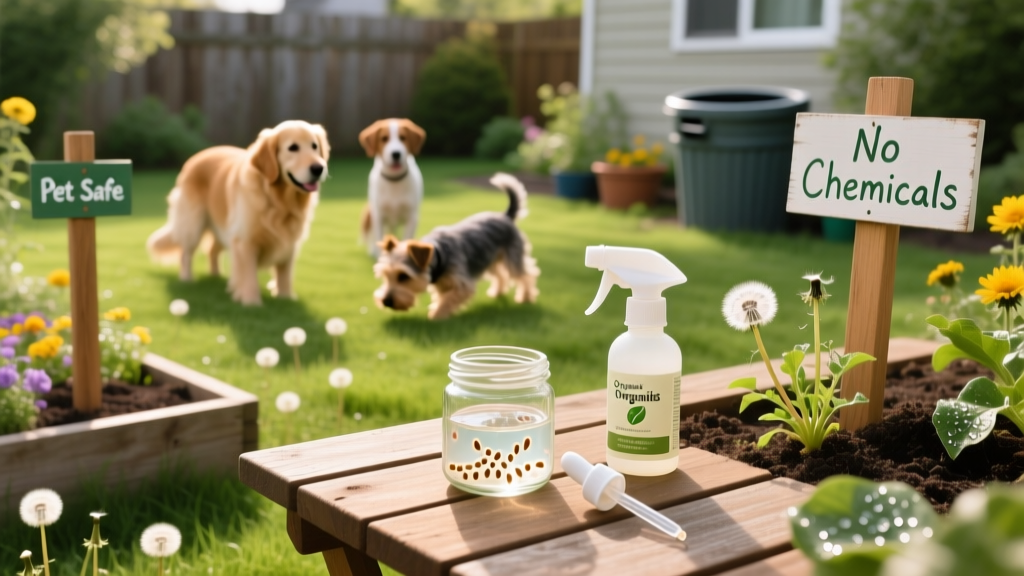
Pet-Safe Flea and Tick Yard Control Using Nematodes
Robert HayesPublished
Protecting Your Family and Pets from Yard Pests Naturally
Creating a beautiful, lush lawn is a point of pride for many homeowners, but that same green space can quickly become a battleground against outdoor parasites. Fleas and ticks are not just a nuisance; they are vectors for serious diseases such as Lyme disease, Rocky Mountain spotted fever, and murine typhus. When families and pets share the yard, the immediate instinct is often to reach for heavy-duty synthetic chemical sprays. However, these traditional pesticides can pose severe health risks to children playing on the grass and pets rolling in the dirt. Fortunately, modern Integrated Pest Management (IPM) offers highly effective, pet-safe alternatives that do not compromise on efficacy.
In this comprehensive guide, we will explore how to reclaim your yard from fleas and ticks using beneficial nematodes, botanical essential oil sprays, and strategic landscape modifications. By shifting away from broad-spectrum synthetic toxins, you can create a thriving, safe outdoor haven for your children and furry companions.
The Hidden Dangers of Synthetic Pesticides
Many commercial yard sprays rely on synthetic pyrethroids, such as permethrin and bifenthrin, to knock down pest populations. While highly effective at killing insects on contact, these chemicals linger on grass blades and in the soil long after application. For dogs, exposure can lead to skin irritation, gastrointestinal upset, and neurological tremors. For cats, the danger is even more acute. Permethrin is highly toxic to felines and can cause fatal seizures even through secondary exposure, such as a cat rubbing against a treated shrub or walking across a recently sprayed lawn.
Furthermore, the ASPCA Animal Poison Control center frequently fields calls regarding accidental pesticide poisoning in household pets. Children are equally vulnerable; their developing nervous systems and frequent hand-to-mouth behavior make them particularly susceptible to chemical residues left on the turf. Transitioning to organic and biological controls is not just an environmental preference—it is a critical health and safety measure for your household.
Step 1: Habitat Modification and the 'Tick-Safe Zone'
Before introducing any treatments, you must make your yard inhospitable to pests. Ticks and fleas require specific microclimates to survive. Flea larvae thrive in shaded, humid areas with organic debris, while ticks wait in tall grasses and leaf litter to latch onto passing hosts.
The Centers for Disease Control and Prevention (CDC) strongly recommends creating a 'Tick-Safe Zone' by implementing the following landscape modifications:
- Clear Leaf Litter and Debris: Rake up leaves, pine needles, and organic matter, especially near the foundation of your home and under decks where pets frequently rest.
- Create a Hardscape Barrier: Install a 3-foot-wide barrier of wood chips, gravel, or mulch between your manicured lawn and any adjacent wooded areas or stone walls. This creates a dry, hot zone that ticks are highly reluctant to cross.
- Prune for Sunlight: Trim back overhanging tree branches and dense shrubs. Ultraviolet light naturally dries out the soil surface, destroying flea larvae and deterring moisture-loving ticks.
- Mow Regularly: Keep your turfgrass at an optimal height of 2.5 to 3 inches. This promotes deep root growth while exposing the soil surface to sunlight, reducing the humidity pests need to survive.
Step 2: Biological Warfare with Beneficial Nematodes
The cornerstone of any pet-safe flea and tick control program is the application of beneficial nematodes. Nematodes are microscopic, unsegmented roundworms that occur naturally in soils worldwide. Specific species, namely Steinernema carpocapsae and Steinernema feltiae, are voracious predators of flea larvae, pupae, and tick nymphs.
How Nematodes Work
When applied to the soil, these microscopic hunters actively seek out insect hosts. Once they locate a flea larva or tick, they enter the pest's body through natural openings and release a symbiotic bacterium (Xenorhabdus). This bacterium rapidly multiplies, killing the host insect within 24 to 48 hours. The nematodes then reproduce inside the carcass, releasing thousands of new hunters into the soil to continue the cycle. Because nematodes only target specific invertebrates, they are 100% safe for humans, pets, earthworms, and beneficial pollinators like bees and butterflies.
Application Guidelines for Maximum Efficacy
To ensure your nematodes survive and thrive, follow these strict application parameters:
- Timing is Everything: Apply nematodes at dusk or on a heavily overcast day. Ultraviolet light from direct sunlight will kill them before they can penetrate the soil.
- Soil Temperature: Ensure the soil temperature is between 55°F and 90°F. If the ground is too cold, the nematodes will remain dormant; if it is too hot, they will perish.
- Pre-Water the Lawn: Nematodes swim through microscopic films of water to find their prey. Water your lawn deeply a few hours before application to ensure the top few inches of soil are moist.
- Mixing and Spraying: Purchase live nematodes from a reputable biological control supplier. They typically arrive in a sponge or powder form. Soak the sponge in a bucket of water, stir gently, and pour the mixture into a hose-end sprayer. Apply evenly across shaded areas, pet runs, and the perimeter of the yard.
- Post-Application Watering: Lightly water the lawn immediately after spraying to wash the nematodes off the grass blades and down into the soil matrix. Keep the soil lightly moist for the next 7 to 10 days.
Step 3: Pet-Safe Botanical Oil Sprays
While nematodes handle the soil-dwelling larvae and pupae, you may still need a topical deterrent to repel adult ticks and fleas from entering your yard. Botanical essential oil sprays offer a powerful, natural solution. Oils derived from cedarwood, peppermint, and rosemary are highly effective at repelling and killing adult pests on contact by blocking their octopamine receptors—a neurotransmitter system that insects possess but mammals do not.
The Environmental Protection Agency (EPA) classifies many of these botanical ingredients under the 25(b) Minimum Risk Pesticides exemption, meaning they pose little to no risk to human health or the environment when used as directed.
DIY Botanical Yard Spray Recipe
For a cost-effective, family-safe perimeter spray, mix the following in a pump-up garden sprayer:
- 1 Gallon of Water
- 2 Ounces of pure Cedarwood Oil (Cedrus atlantica)
- 1 Ounce of Peppermint Oil
- 1 Teaspoon of mild liquid dish soap (acts as an emulsifier to blend the oils with water)
Shake well and spray along fence lines, the edges of wooded areas, and around the foundation of your home. Reapply every 14 to 21 days, or immediately after heavy rainfall. Always allow the spray to dry completely before letting pets back into the treated area, as concentrated wet essential oils can cause mild skin irritation.
Comparison Chart: Synthetic vs. Pet-Safe Natural Treatments
Understanding the trade-offs between conventional chemicals and natural alternatives can help you make an informed decision for your household. Below is a detailed comparison of the most common yard treatments.
| Treatment Type | Active Ingredient | Pet & Kid Safety | Re-entry Time | Estimated Cost per 5,000 sq ft |
|---|---|---|---|---|
| Synthetic Broadcast Spray | Bifenthrin / Permethrin | Low (Highly toxic to cats and aquatic life) | 24-48 Hours | $15 - $25 |
| Beneficial Nematodes | Steinernema carpocapsae | High (100% Safe for all mammals) | Immediate | $35 - $50 |
| Botanical Oil Spray | Cedarwood / Peppermint Oil | High (Safe once fully dry) | 2-4 Hours | $20 - $35 |
| Granular Lime/Sulfur | Elemental Sulfur | Moderate (Can irritate paws/eyes) | Wait for watering | $10 - $20 |
Your Seasonal Action Plan for a Pest-Free Yard
Consistency is the key to successful Integrated Pest Management. Because natural methods target the life cycle of the pest rather than providing a temporary chemical wipeout, you must follow a seasonal schedule.
Spring (March - May)
As soil temperatures rise above 55°F, flea and tick eggs begin to hatch. This is the critical window for your first application of beneficial nematodes. Target shaded areas, dog runs, and spaces beneath decks. Simultaneously, perform your spring yard cleanup by removing winter leaf litter and establishing your 3-foot wood chip barrier.
Summer (June - August)
Peak pest season requires vigilant maintenance. Mow your lawn weekly and ensure you are not overwatering, as soggy soil promotes fungal diseases and drowns nematodes. Apply your botanical cedar oil perimeter spray every two weeks to repel adult ticks migrating from neighboring properties. If you notice a spike in flea activity on your pets, apply a second round of nematodes in the evening.
Fall (September - November)
Do not neglect the autumn months. Ticks, particularly the black-legged tick, remain highly active well into the fall. Apply a final round of nematodes in early September to eliminate overwintering larvae. Keep up with leaf raking, as piles of damp autumn leaves are prime real estate for flea pupae.
Conclusion
Achieving a flea-free and tick-free yard does not require dousing your property in hazardous synthetic chemicals. By embracing Integrated Pest Management, you can leverage the natural predatory power of beneficial nematodes and the repellent properties of botanical oils to keep parasites at bay. Combined with smart landscaping practices, these pet-safe methods ensure that your lawn remains a secure, healthy environment where your children and pets can play freely without the risk of toxic exposure or vector-borne diseases.