Home & Garden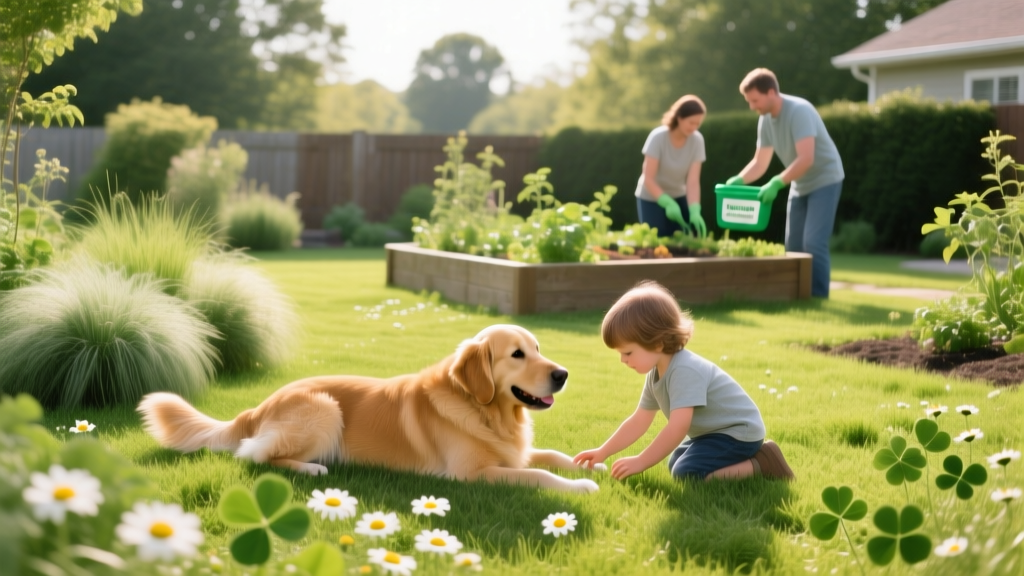
Pet-Safe Lawn Care: Best Grass Types and Non-Toxic Yards
Anna KowalskiPublished
Creating a Sanctuary: The Pet and Family-Friendly Yard
Designing a yard that caters to both the energetic antics of your family dog and the barefoot adventures of your children requires a strategic approach to landscaping. A truly family-friendly outdoor space bridges the gap between aesthetic beauty and rugged durability. It must withstand heavy foot traffic, resist digging, and, most importantly, remain entirely free of toxic chemicals and hazardous plants. Whether you are revamping your garden-to-table vegetable patches, installing smart home irrigation to prevent muddy paws, or choosing the right outdoor hardscaping, every decision impacts the safety and enjoyment of your loved ones. In this comprehensive guide, we will explore the best practices for cultivating a vibrant, pet-safe lawn and a secure outdoor living environment that thrives through every season.
Selecting the Most Durable, Pet-Resistant Grass Types
The foundation of any family-friendly yard is a resilient lawn. Dogs running, children playing tag, and impromptu backyard soccer games can quickly turn delicate turf into a patchy, muddy mess. When selecting a grass type, you must consider your local climate, the amount of shade in your yard, and the specific wear-and-tear your landscape will endure. Warm-season grasses generally offer superior durability and rapid recovery from damage, while cool-season grasses provide lush green coverage in regions with harsh winters.
For high-traffic areas, Bermuda grass is a top-tier choice. It features deep roots and a rapid growth rate, allowing it to heal quickly from divots caused by running pets. However, it requires full sun. If your yard features large oak trees or shaded patios, St. Augustine or Fine Fescue blends offer better shade tolerance, though they may require more frequent overseeding to maintain density. Another excellent option is Zoysia grass, which forms a thick, carpet-like turf that naturally chokes out weeds and feels incredibly soft underfoot—perfect for toddlers and pets alike.
| Grass Type | Durability | Shade Tolerance | Maintenance Level | Best Climate |
|---|---|---|---|---|
| Bermuda | Very High | Low | High (Requires frequent mowing) | Warm / Southern |
| Zoysia | High | Medium | Medium (Slow growing) | Warm / Transitional |
| Kentucky Bluegrass | Medium-High | Medium | High (Requires deep watering) | Cool / Northern |
| Tall Fescue | High | High | Medium (Drought tolerant) | Cool / Transitional |
| St. Augustine | Medium | Very High | Medium (Prone to thatch) | Warm / Coastal |
Non-Toxic Lawn Care: Fertilizers, Herbicides, and Mulch
Traditional lawn care regimens often rely on synthetic chemicals that can be hazardous to curious pets and small children who spend their time rolling in the grass and exploring the soil. Transitioning to organic, pet-safe lawn maintenance is crucial for a family-friendly yard.
Safe Fertilization and Weed Control
Instead of synthetic nitrogen blends that can burn your dog's paws and cause gastrointestinal distress if ingested, opt for natural alternatives. Corn gluten meal is a fantastic organic pre-emergent herbicide that prevents weed seeds from germinating while providing a gentle nitrogen boost to your turf. For deep soil conditioning, apply a 1/4-inch layer of screened organic compost during the fall aeration season. This improves soil structure, encourages beneficial microbes, and eliminates the need for chemical soil softeners.
When spot-treating weeds, avoid products containing 2,4-D or glyphosate. Instead, use horticultural vinegar (20% acetic acid) applied carefully directly to the weed leaves on a sunny day, or simply hand-pull weeds after a heavy rain when the soil is loose.
The Hidden Dangers of Mulch
Mulch is essential for retaining soil moisture in garden beds, but not all mulch is safe. Cocoa bean mulch, derived from the shells of cocoa beans, emits a sweet, chocolate-like aroma that is highly attractive to dogs. However, it contains theobromine and caffeine—the same compounds that make chocolate toxic to canines. According to the Pet Poison Helpline's warning on Cocoa Mulch, ingestion can lead to vomiting, diarrhea, tremors, and even seizures. Always choose pet-safe alternatives like natural cedar, pine bark, or untreated hardwood chips. Cedar also has the added benefit of naturally repelling fleas and ticks, creating a safer play zone for your pets.
Avoiding Toxic Landscaping Plants
When designing your garden beds, it is vital to cross-reference your plant choices with the ASPCA's Toxic and Non-Toxic Plants database. Common landscaping staples like Sago Palms, Oleanders, Azaleas, and Lilies are highly toxic to both cats and dogs. Swap these out for family-friendly, non-toxic alternatives such as Boston Ferns, Marigolds, Sunflowers, and Snapdragons to ensure that a curious nibble doesn't result in an emergency vet visit.
Smart Home Integration: Irrigation for Mud-Free Paws
Nothing ruins a clean living room faster than a muddy dog tracking dirt across the hardwood floors after a romp in the yard. Overwatering is a common culprit for soggy, mud-prone lawns. Integrating smart home technology into your irrigation system is a game-changer for family-friendly landscapes.
Smart irrigation controllers, such as the Rachio 3 or Orbit B-hyve, connect to your home Wi-Fi and utilize local weather data, soil type, and evapotranspiration rates to water your lawn only when necessary. The EPA WaterSense Smart Irrigation Controllers program notes that these smart devices can reduce outdoor water use by up to 15%, preventing the soil from becoming waterlogged. By pairing a smart controller with underground drip irrigation lines in your garden beds and high-efficiency rotary nozzles on your turf zones, you ensure deep, infrequent watering. This promotes deeper grass roots, resulting in a firmer, drier surface that can handle family playtime without turning into a mud pit.
Garden-to-Table: Growing Pet-Safe Edibles
Bridging indoor and outdoor living often involves cultivating a garden-to-table lifestyle. Growing your own vegetables is a rewarding family activity, but it requires planning to keep both your harvest and your pets safe. Dogs and toddlers love to sample low-hanging produce, so choosing non-toxic, healthy edibles is a must.
Consider dedicating a section of your yard to pet-safe, kid-friendly crops. Blueberry bushes are an excellent choice; they provide antioxidant-rich snacks that are completely safe for dogs and delicious for children. Carrots, green beans, and cucumbers are also highly resilient and safe for canine consumption. To protect your more delicate greens like lettuce and spinach from trampling paws, construct raised cedar garden beds. Building the beds at a height of 18 to 24 inches keeps the soil loose and accessible for children to help with weeding, while naturally deterring dogs from using the soft soil as a napping spot or bathroom.
Hardscaping and Zoning for Active Families
A well-designed family yard utilizes hardscaping to create distinct zones for different activities. Bare dirt paths along fence lines—often created by dogs patrolling their territory—can be solved by installing smooth, pet-friendly hardscape materials. Avoid sharp gravel or crushed stone, which can become lodged in paw pads or cause splinters. Instead, opt for smooth river rock, flagstone, or decomposed granite compacted with a stabilizer to create firm, attractive pathways that are easy to hose down.
To preserve your pristine lawn and flower beds, embrace the concept of 'zoning.' Create a designated 'digging pit' for your dog by building a 4x4 foot wooden frame and filling it with loose, child-safe play sand. Bury a few durable toys in the sand to encourage your dog to dig there instead of in your prized rose garden. Similarly, designate a specific 'potty zone' in a discreet corner of the yard, surfaced with easy-to-rinse pea gravel and surrounded by a low privacy screen of non-toxic ornamental grasses like Blue Fescue or Maiden Grass. Training your dog to use this specific area saves your primary turf from nitrogen burns caused by pet urine.
Conclusion
Creating a pet-safe and family-friendly yard does not mean sacrificing beauty or functionality. By selecting resilient grass varieties, utilizing organic lawn care practices, avoiding toxic plants and mulches, and embracing smart irrigation technology, you can cultivate a vibrant outdoor oasis. Whether you are harvesting blueberries with your children or watching your dog chase a ball across a lush, chemical-free lawn, a thoughtfully designed landscape ensures that your outdoor space remains a safe, joyful extension of your home for every member of the family.
