Home & Garden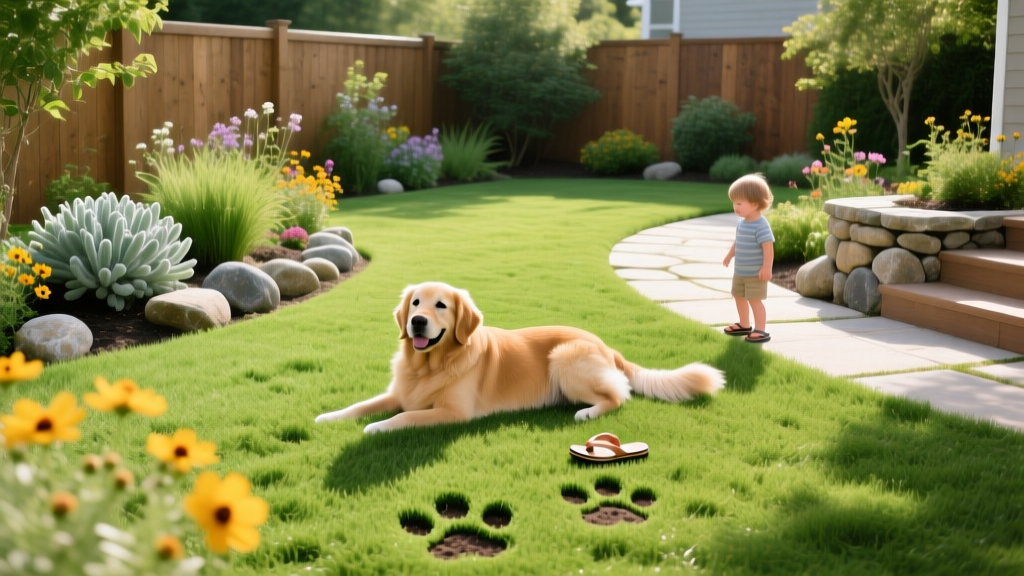
Designing A Pet-Safe Lawn: Best Grass And Safe Plants
Robert HayesPublished
The Challenge of Maintaining a Lawn with Pets and Kids
Creating a backyard that serves as a safe haven for both your children and your four-legged friends requires a strategic approach to landscaping. Traditional lawns often fall victim to the heavy foot traffic of playing kids, the digging habits of energetic dogs, and the nitrogen-rich urine spots that leave unsightly brown patches. Furthermore, many popular ornamental plants and landscaping materials harbor hidden dangers, posing severe toxicity risks to curious pets and toddlers. By bridging the gap between functional outdoor living spaces and robust, pet-safe horticulture, you can cultivate a vibrant, resilient yard that the whole family can enjoy year-round.
In this comprehensive guide, we will explore the most durable grass species, outline a family-friendly hardscaping layout, identify non-toxic plant alternatives, and recommend smart home irrigation and organic lawn care products that keep your outdoor oasis thriving and safe.
Choosing the Most Durable, Pet-Safe Grass Types
Not all turfgrass is created equal when it comes to withstanding the wear and tear of a bustling family and active pets. The key is selecting a grass variety with a deep root system, rapid recovery rate, and high drought tolerance. Your choice will largely depend on your climate zone.
Cool-Season Champions (Northern Climates)
For homeowners in northern regions, Tall Fescue is widely considered the best pet-friendly grass. Its deep roots (growing up to 3 feet) allow it to withstand heavy traffic and resist drought. Kentucky Bluegrass is another excellent option due to its aggressive rhizome growth, which allows it to quickly self-repair damaged areas. However, it requires more water and maintenance than fescue.
Warm-Season Warriors (Southern Climates)
In hotter, southern climates, Bermuda Grass and Zoysia Grass reign supreme. Bermuda grass is incredibly resilient and recovers from damage faster than almost any other warm-season turf. Zoysia is slightly slower to establish but forms a dense, carpet-like sod that naturally chokes out weeds and resists digging. For coastal or shaded southern yards, Palmetto St. Augustine offers excellent shade tolerance and a soft texture that is gentle on paws.
| Grass Type | Climate Zone | Traffic Tolerance | Recovery Rate | Avg. Seed/Sod Cost |
|---|---|---|---|---|
| Tall Fescue | Cool-Season | High | Moderate | $0.10 - $0.15 / sq ft |
| Kentucky Bluegrass | Cool-Season | Moderate-High | High | $0.15 - $0.20 / sq ft |
| Bermuda Grass | Warm-Season | Very High | Very High | $0.30 - $0.45 / sq ft (Sod) |
| Zoysia Grass | Warm-Season | High | Moderate | $0.40 - $0.60 / sq ft (Sod) |
Designing a Paws and Play Landscape Layout
A truly family-friendly yard goes beyond just planting the right grass; it involves intentional zoning to accommodate natural behaviors while protecting your pristine landscaping.
Designated Digging Zones
Dogs dig for entertainment, temperature regulation, and instinct. Instead of fighting this behavior, redirect it. Build a 4-foot by 4-foot cedar sandbox frame and fill it with washed playground sand (approximately 16 cubic feet, costing around $60). Bury your dog's favorite toys or treats just below the surface to encourage them to use this specific area. Place the digging zone in a shaded, low-traffic corner of the yard to keep it cool during summer months.
Pet Patrol Pathways
Dogs are natural perimeter patrol animals and will inevitably wear down the grass along your fence line. Anticipate this by installing a 2-foot to 3-foot wide hardscape pathway along the fence. Use smooth river rock (1 to 3 inches in diameter) or flat flagstone. Avoid sharp pea gravel, which can wedge into and cut sensitive paw pads. Furthermore, never use cocoa bean mulch in your garden beds. According to the American Kennel Club (AKC), cocoa bean mulch contains theobromine—the same toxic compound found in chocolate—which can be fatal if ingested by dogs.
Non-Toxic Plants and Shrubs for Family Yards
Curious toddlers and foraging pets are prone to tasting leaves, berries, and flowers. It is critical to audit your garden beds and remove highly toxic ornamental plants. Common landscaping staples such as Sago Palm, Oleander, Foxglove, Lilies, and Azaleas can cause severe gastrointestinal distress, organ failure, or even death if consumed.
Always cross-reference your garden inventory with the ASPCA's Toxic and Non-Toxic Plants database before introducing new flora to your yard. When in doubt, opt for edible or universally safe ornamentals.
Top Pet-Safe Landscaping Plants
- Snapdragons (Antirrhinum): Vibrant, colorful, and completely non-toxic to dogs and cats.
- Sunflowers (Helianthus): Provide excellent vertical interest and shade, with seeds that are safe for wildlife and pets.
- Boston Ferns: Perfect for shaded patio containers and hanging baskets, adding lush greenery without the risk.
- Creeping Thyme: A fantastic, pet-safe groundcover alternative for between stepping stones that releases a pleasant aroma when stepped on.
- Rosemary and Basil: Culinary herbs that bridge the gap between garden-to-table cooking and safe, fragrant landscaping.
Smart Irrigation and Pet-Safe Lawn Care Products
Maintaining a lush lawn without resorting to harsh synthetic chemicals is vital for families and pets who spend hours rolling and playing on the turf.
Organic Fertilizers and Weed Control
Synthetic herbicides and pesticides can cling to grass blades and paws, eventually being ingested during grooming. Transition to organic, pet-safe lawn care products. Espoma Organic All-Season Lawn Food (approx. $35 for a 30 lb bag covering 5,000 sq ft) utilizes feather meal and pasteurized poultry manure to slowly release nitrogen without the risk of chemical burns. For weed control, use horticultural vinegar (20% acetic acid) applied carefully with a shielded sprayer on hot, sunny days, or rely on corn gluten meal as a natural pre-emergent weed preventer in early spring.
Diluting Urine Spots with Smart Irrigation
The primary cause of brown burn spots on lawns is the high concentration of nitrogen and salts in dog urine. While training your dog to use a specific gravel area is ideal, it is not always possible. To combat this, integrate a smart irrigation system like the Rachio 3 Smart Sprinkler Controller ($250-$300). By connecting it to your home's Wi-Fi, you can schedule targeted, deep-watering cycles between 4:00 AM and 6:00 AM. This early morning watering not only prevents fungal diseases but also helps dilute and flush urine salts out of the root zone before the sun bakes them into the grass blade.
Seasonal Maintenance Routine for High-Traffic Yards
High-traffic family yards require a proactive maintenance schedule to prevent soil compaction and thinning turf.
- Spring (March - April): Apply corn gluten meal to prevent crabgrass. Core aerate the lawn to relieve winter soil compaction caused by heavy play.
- Summer (June - August): Raise your mower blade to 3.5 or 4 inches. Taller grass shades the soil, retains moisture, and develops deeper, more traffic-resistant roots.
- Fall (September - October): Overseed bare patches with a durable Tall Fescue mix. Top-dress with a thin layer (1/4 inch) of organic compost to improve soil biology.
- Winter (November - February): Avoid walking on frozen grass, which shatters the crowns. Use pet-safe ice melters like magnesium chloride instead of rock salt (sodium chloride), which burns paws and damages soil structure.
Designing a pet-safe and family-friendly yard is an investment in your family's health and happiness. By selecting resilient grass varieties, incorporating intentional hardscaping, choosing non-toxic plants, and utilizing smart, organic maintenance routines, you can create a beautiful outdoor living space that stands up to the joyful chaos of children and pets.
