Pest Control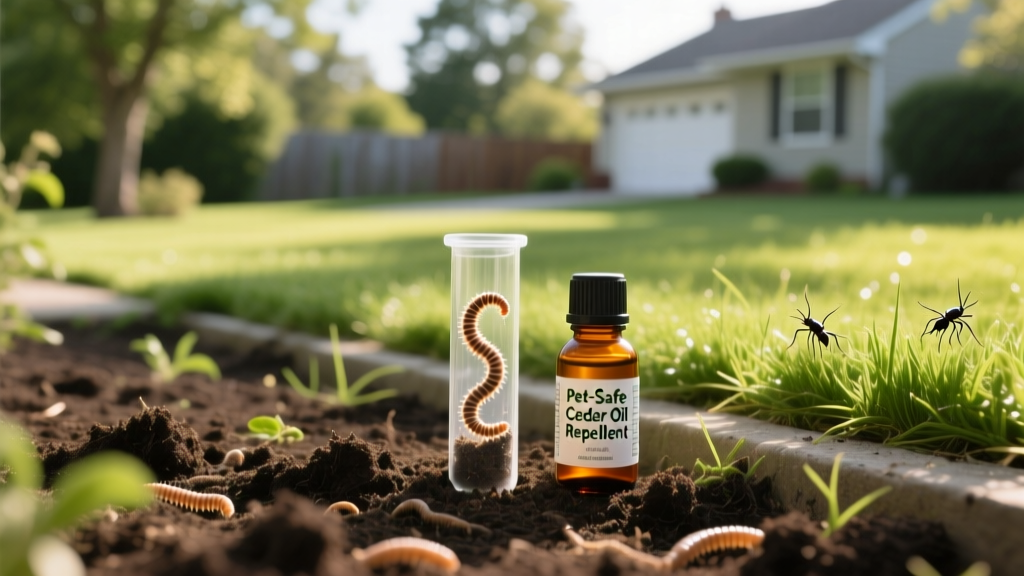
Pet-Safe Lawn Pest Control: Natural Flea and Tick Guide
James MillerPublished
The Hidden Dangers of Chemical Flea and Tick Sprays
As pet owners and parents, we want our families to enjoy a lush, green lawn without worrying about the hidden dangers lurking in the grass. Fleas and ticks are not just a nuisance; they are vectors for serious diseases like Lyme disease, Rocky Mountain spotted fever, and tapeworms. However, the conventional approach to lawn pest control often relies on broad-spectrum synthetic pesticides, such as bifenthrin and permethrin. While effective at killing pests, these chemicals pose significant risks to our furry friends and the environment.
Permethrin, a common active ingredient in many commercial yard sprays, is highly toxic to cats and can cause severe neurological issues if they walk on treated grass and groom their paws. Similarly, pyrethroid-based chemicals can run off into local waterways, harming aquatic life and beneficial pollinators. For households prioritizing a pet-friendly and family-safe environment, transitioning to Integrated Pest Management (IPM) and organic control methods is not just a preference—it is a necessity.
Top Pet-Friendly Lawn Treatments for Fleas and Ticks
Fortunately, modern organic pest control offers highly effective alternatives that target specific pests without leaving toxic residues on your lawn. Here are the top three pet-safe treatments for your yard.
1. Beneficial Nematodes (Steinernema carpocapsae)
Beneficial nematodes are microscopic, unsegmented roundworms that occur naturally in soil. The Penn State Extension notes that specific species, particularly Steinernema carpocapsae, are highly effective at hunting down flea larvae, tick nymphs, and grubs. These nematodes enter the pest's body and release symbiotic bacteria that kill the host within 24 to 48 hours. Once the pest is eliminated, the nematodes reproduce and move on to the next target.
- Cost: $30 to $45 per million nematodes (covers roughly 3,000 square feet).
- Timing: Apply in spring and early fall when soil temperatures are between 55°F and 85°F.
- Pet Safety: 100% safe for dogs, cats, humans, and earthworms.
2. Cedarwood Oil Sprays
Cedarwood oil is a potent botanical insecticide that works by blocking octopamine receptors in insects, essentially shutting down their nervous systems. Because mammals do not have octopamine receptors, cedar oil is entirely non-toxic to pets and children once applied. The Environmental Protection Agency (EPA) classifies cedar oil and similar botanical ingredients as "minimum risk pesticides," exempting them from harsh chemical regulations due to their proven safety profiles.
- Cost: $25 to $40 for a 32 oz hose-end sprayer (covers up to 5,000 square feet).
- Timing: Apply every 2 to 3 weeks during peak flea and tick season (late spring through early fall).
- Pet Safety: Safe for dogs and children. (Note: While cedar oil is generally safe for cats in outdoor, diluted applications, cats are sensitive to essential oils; allow the spray to dry completely before letting cats outdoors).
3. Diatomaceous Earth (Food Grade)
Diatomaceous Earth (DE) is a fine powder made from the fossilized remains of aquatic organisms called diatoms. On a microscopic level, DE is incredibly sharp. When fleas and ticks crawl across it, the powder lacerates their exoskeletons, causing them to dehydrate and die. You must strictly use Food Grade DE, as pool-grade DE is chemically treated and dangerous to inhale.
- Cost: $15 to $20 for a 4 lb bag.
- Timing: Apply on dry, windless days. Reapply immediately after heavy rainfall or irrigation.
- Pet Safety: Safe for pets, though you should avoid creating large dust clouds during application to prevent respiratory irritation for both you and your pets.
Comparison Chart: Pet-Safe vs. Chemical Treatments
| Treatment Type | Target Pests | Pet & Family Safety | Environmental Impact | Reapplication Frequency |
|---|---|---|---|---|
| Beneficial Nematodes | Flea larvae, tick nymphs, grubs | 100% Safe | Beneficial (aerates soil) | Every 2-3 months |
| Cedarwood Oil | Adult fleas, ticks, mosquitoes | Highly Safe (avoid wet contact for cats) | Low (biodegradable) | Every 2-3 weeks |
| Diatomaceous Earth | Fleas, ticks, ants | Safe (avoid inhalation) | Neutral | After rain/watering |
| Bifenthrin (Chemical) | Broad spectrum insects | Toxic to cats/aquatic life | High (runoff risks) | Every 4-6 weeks |
Cultural Controls: Landscaping Tips to Deter Pests
Organic sprays and nematodes are most effective when paired with proper yard maintenance. Fleas and ticks thrive in specific microclimates—namely, damp, shaded, and overgrown areas. By altering your landscape, you can make your yard inherently hostile to these pests.
1. Sunlight and Mowing Height
Flea larvae and tick nymphs are highly susceptible to desiccation (drying out). They avoid direct sunlight. Prune back overhanging tree branches and thin out dense shrubbery to allow sunlight to penetrate the turf. Additionally, maintain your grass at a height of 3 to 4 inches. While this might seem counterintuitive, taller grass develops deeper root systems that outcompete weeds, and it encourages populations of beneficial predatory insects like spiders and ants that naturally eat flea and tick eggs.
2. Create a Tick-Safe Zone with Mulch
Ticks rarely cross dry, hot, or barren surfaces. According to the Centers for Disease Control and Prevention (CDC), you can significantly reduce tick migration into your lawn by creating a physical barrier. Lay down a 3-foot-wide border of wood chips or gravel between your lawn and any adjoining wooded areas, stone walls, or dense brush. This dry barrier acts as a moat that ticks are reluctant to cross, keeping your primary play areas safe for children and dogs.
3. Eliminate Rodent Habitats
Mice, voles, and squirrels are the primary transport vectors for ticks and fleas. Remove woodpiles, clear away leaf litter, and seal off crawl spaces under decks. If you reduce the rodent population in your yard, you inherently reduce the flea and tick population.
Step-by-Step Application Guide for Nematodes
Applying beneficial nematodes requires a slightly different approach than chemical sprays, as you are dealing with living organisms. Follow these steps for maximum efficacy:
- Prep the Soil: Water your lawn thoroughly the day before application. Nematodes require moist soil to move through the thatch layer and reach the root zone where flea larvae reside.
- Mix the Solution: Empty the nematode sponge or powder into a bucket of cool, distilled water (chlorine in tap water can kill them). Stir gently.
- Apply in the Evening: UV light degrades nematodes rapidly. Apply the mixture using a hose-end sprayer in the early evening or on a heavily overcast day.
- Water it In: Immediately after spraying, lightly water the lawn again to wash any nematodes stuck on grass blades down into the soil.
- Maintain Moisture: Keep the lawn lightly moist for the next 7 to 10 days to ensure the nematodes survive and begin hunting.
Pro Tip: Never mix nematodes with chemical fertilizers or synthetic pesticides. The high salt content and chemical residues will kill the beneficial roundworms on contact. Always apply nematodes at least two weeks apart from any conventional lawn treatments.
Frequently Asked Questions
Can I use garlic spray for flea control?
While garlic juice sprays are sometimes touted as a natural repellent, their efficacy in outdoor lawn environments is highly debated and short-lived. Furthermore, if your dog has a habit of grazing on your lawn, ingesting large amounts of garlic can cause hemolytic anemia in canines. Stick to cedar oil and nematodes for proven, safe results.
How long after applying cedar oil can my dog go outside?
Cedar oil sprays are generally safe for pets once they have completely dried. Depending on your local humidity and temperature, this usually takes 30 to 60 minutes. Always read the specific manufacturer's label, as some formulations include secondary essential oils like peppermint or lemongrass, which may require a longer drying period.
Conclusion
Maintaining a beautiful, pest-free lawn does not require compromising the health and safety of your pets and children. By leveraging the biological power of beneficial nematodes, the repellent properties of cedarwood oil, and smart landscaping techniques, you can create a robust, organic defense against fleas and ticks. Embrace these pet-friendly yard tips, and enjoy peace of mind every time your family steps outside to play.