Pest Control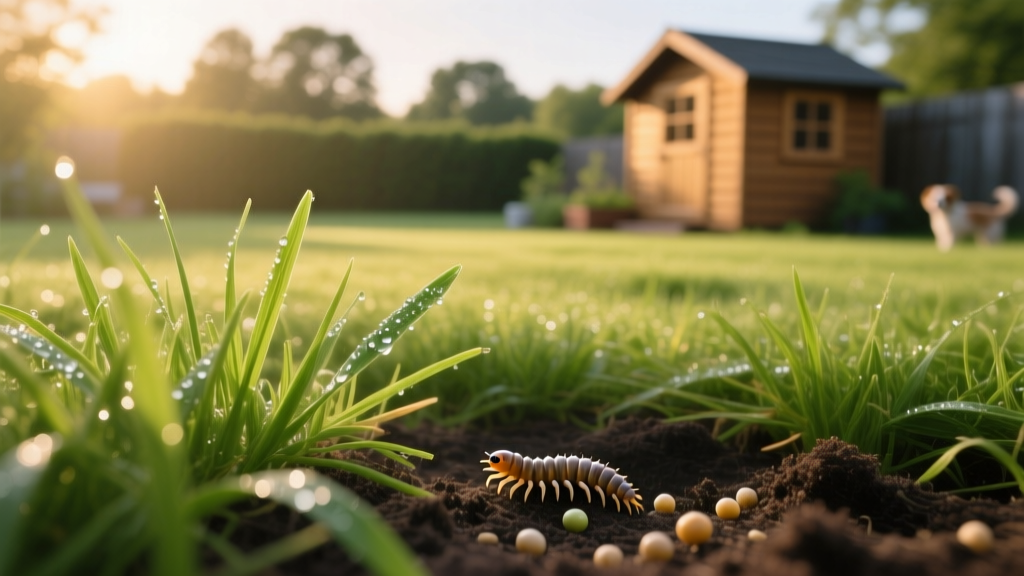
Pet-Safe Lawn Pest Control: Natural Flea, Tick, and Grub Management
David ParkPublished
When your lawn serves as a primary playground for your children and a roaming territory for your dogs and cats, pest control becomes a critical matter of health and safety, not just curb appeal. Traditional synthetic pesticides, while effective at eradicating lawn pests, often introduce severe risks to the mammals that share the space. For families and pet owners, transitioning to an Integrated Pest Management (IPM) approach utilizing biological controls and natural deterrents is the smartest way to maintain a lush, vibrant yard without compromising the health of your loved ones.
The Hidden Dangers of Synthetic Lawn Pesticides
Many conventional lawn treatments rely on synthetic pyrethroids (such as bifenthrin and permethrin) and organophosphates. While these chemicals are highly lethal to insects, they pose significant toxicity risks to pets. Cats, in particular, lack the liver enzymes required to process pyrethroids, making even trace residues on grass blades potentially fatal. Dogs can suffer from neurological distress, gastrointestinal issues, and skin irritation after running through recently treated turf. Furthermore, the Environmental Protection Agency (EPA) explicitly warns pet owners to exercise extreme caution with chemical pest control, noting that improper application or early re-entry onto treated lawns can lead to severe acute poisoning in household animals. By shifting to biological and botanical alternatives, you eliminate these toxic residues entirely.
Pet-Safe Grub Control: The Biological Approach
White grubs (the larvae of Japanese beetles, June bugs, and European chafers) destroy lawn roots, creating dead brown patches and attracting destructive foraging animals like moles, skunks, and raccoons. Instead of using chemical grub killers, you can deploy natural predators that target grubs without harming earthworms, pets, or humans.
Beneficial Nematodes (Heterorhabditis bacteriophora)
Beneficial nematodes are microscopic, unsegmented worms that naturally occur in soil. The Heterorhabditis bacteriophora (Hb) strain is a voracious predator of grub larvae. Once applied to the lawn, these nematodes actively seek out grubs, enter their bodies, and release a symbiotic bacteria that kills the host within 48 hours. The nematodes then reproduce inside the carcass and emerge to hunt the next target.
- Application Rate: Approximately 1 billion nematodes per acre, or 250 million per 1/4 acre (roughly 10,000 sq. ft.).
- Timing: Apply in the early evening or on a cloudy day when soil temperatures are consistently above 60°F. UV light and extreme heat will kill them before they penetrate the soil.
- Method: Mix the nematode powder with water and apply using a hose-end sprayer. Water the lawn lightly before and immediately after application to help them wash into the root zone.
- Cost: $30 to $45 per 1/4 acre treatment.
Milky Spore Disease (Paenibacillus popilliae)
Milky Spore is a naturally occurring bacterium that specifically targets Japanese beetle grubs. When grubs ingest the spores while feeding on roots, the bacteria multiply, killing the grub and releasing billions of new spores into the soil.
- Application Rate: Apply 1 teaspoon of Milky Spore powder every 4 feet in a grid pattern across your lawn.
- Timing: Best applied in late summer or early fall when grubs are actively feeding.
- Longevity: While it can take 2 to 3 years to fully establish in the soil, a single application provides continuous, self-sustaining grub control for 15 years or more.
- Cost: Around $40 for a 4,000 sq. ft. coverage box.
Natural Flea and Tick Yard Management
Fleas and ticks thrive in shaded, humid environments with tall grass and leaf litter. The University of California Statewide Integrated Pest Management Program (UC IPM) emphasizes that outdoor flea control should focus heavily on habitat modification and targeted, low-toxicity treatments in areas where pets frequently rest or sleep outdoors.
Cedar Oil Sprays
Cedar oil is a powerful, pet-safe botanical insecticide. It works by blocking octopamine receptors in insects, causing dehydration and death. Because mammals do not possess octopamine receptors, cedar oil is completely non-toxic to dogs, cats, and children. Products like Wondercide Flea & Tick Yard Spray can be attached directly to a garden hose.
- Frequency: Spray every 2 to 3 weeks during peak flea and tick season (spring through early fall).
- Safety: Allow the spray to dry completely (usually 1-2 hours) before letting pets roam the area, primarily to prevent mild stomach upset from licking wet botanical oils.
Food-Grade Diatomaceous Earth (DE)
Diatomaceous Earth is a fine powder made from fossilized aquatic organisms. On a microscopic level, DE is incredibly sharp; it lacerates the exoskeletons of fleas, ticks, and ants, causing them to dehydrate and die. Ensure you purchase Food-Grade DE, not pool-grade.
- Application: Dust lightly over dry, shaded areas, under decks, and around the perimeter of your home. It must remain dry to be effective; reapply after heavy rain.
- Safety Note: While safe for pets to walk on and ingest, avoid applying DE on windy days. Inhaling the fine silica dust can irritate human and pet respiratory tracts. Wear a mask during application.
Pet-Safe Mosquito Control: BTI
Mosquitoes are more than just a nuisance; they are vectors for heartworm disease in dogs and various viral illnesses in humans. To control mosquitoes without spraying broad-spectrum insecticides, utilize Bacillus thuringiensis israelensis (BTI). BTI is a naturally occurring soil bacterium that produces proteins toxic only to the larvae of mosquitoes, fungus gnats, and black flies. It is entirely harmless to pets, birds, fish, and beneficial pollinators. BTI is commonly sold as 'Mosquito Dunks' or 'Mosquito Bits'.
- How to Use: Place one dunk in birdbaths, rain barrels, or pond edges. For gutters or damp lawn depressions, sprinkle Mosquito Bits directly into the standing water.
- Cost: Approximately $10 to $15 for a pack of 6 dunks, lasting an entire season.
The 3-Foot Tick-Safe Perimeter
Ticks rarely drop from trees; they quest for hosts in tall grasses, brush, and leaf litter. The Centers for Disease Control and Prevention (CDC) highly recommends creating a physical barrier to restrict tick migration into your family's recreational areas. By establishing a 3-foot-wide border of wood chips, gravel, or mulch between your manicured lawn and any adjacent wooded areas or stone walls, you create a dry, inhospitable zone that ticks are highly reluctant to cross. This simple landscaping technique drastically reduces tick encounters without a single drop of pesticide.
Comparison Chart: Pet-Safe vs. Traditional Pesticides
| Feature | Traditional Synthetics (e.g., Bifenthrin) | Pet-Safe IPM (Nematodes, Cedar Oil, BTI) |
|---|---|---|
| Target Pests | Broad-spectrum (kills all insects) | Targeted (grubs, fleas, ticks, mosquito larvae) |
| Pet & Child Safety | High toxicity risk; requires 24-48 hr re-entry delay | Non-toxic; safe for immediate re-entry once dry |
| Environmental Impact | High runoff risk; toxic to aquatic life and bees | Zero runoff toxicity; supports local ecosystems |
| Soil Health | Can harm beneficial soil microbes and earthworms | Promotes biological diversity and soil health |
| Estimated Cost (1/4 Acre) | $40 - $70 per application | $35 - $50 (Nematodes/Cedar Oil) |
Core IPM Maintenance for a Pest-Resistant Lawn
No pest control method—natural or synthetic—works effectively if the underlying lawn conditions invite infestations. A robust, deeply rooted lawn is your first line of defense. Implement these core IPM maintenance practices:
- Mow High: Keep your grass at 3 to 4 inches. Taller grass shades the soil, depriving flea and tick larvae of the direct sunlight and heat they need to survive, while also choking out weed seeds.
- Dethatch Annually: Thatch layers thicker than 1/2 inch provide the perfect humid, protected breeding ground for fleas and chinch bugs. Rent a dethatcher or use a manual thatching rake every spring.
- Water Deeply and Infrequently: Watering for 15 minutes every day keeps the surface damp, inviting fungal gnats and mosquitoes. Instead, water deeply (1 to 1.5 inches per week) in one or two sessions to encourage deep root growth and allow the surface to dry out between waterings.
- Clear Debris: Rake up fallen leaves, grass clippings, and organic debris weekly. Removing these micro-habitats starves pests of their preferred hiding spots.
By embracing biological controls like beneficial nematodes, utilizing targeted botanical sprays, and maintaining a rigorous cultural maintenance schedule, you can achieve a pristine, pest-free lawn. This holistic approach ensures that when your dog rolls in the grass or your children run barefoot across the yard, they are interacting with a safe, thriving ecosystem rather than a chemical minefield.