Home & Garden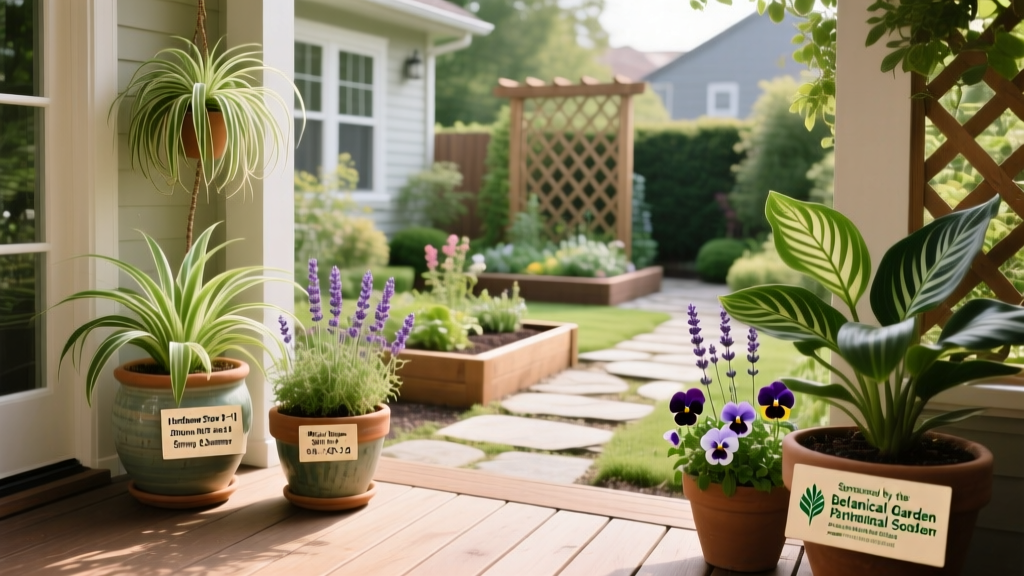
Pet Safe Plants For Indoor And Outdoor Home Gardens
Creating Safe, Beautiful Spaces for Pets and People
Integrating pets into garden design requires thoughtful plant selection—not only for aesthetic harmony but for the health and safety of dogs, cats, rabbits, and birds. According to the American Society for the Prevention of Cruelty to Animals (ASPCA), over 700 common ornamental plants pose documented toxicity risks to companion animals. Fortunately, numerous resilient, visually compelling species thrive both indoors and outdoors while posing negligible risk. This article highlights vetted, horticulturally sound options that align with regional climate realities, soil chemistry, and structural garden planning—without compromising beauty or biodiversity.
Top Indoor Pet-Safe Ornamentals
Indoor gardens benefit from consistent humidity, filtered light, and controlled temperatures—conditions ideal for many non-toxic foliage plants. These selections also support air purification, as confirmed by NASA’s Clean Air Study (1989), which identified several pet-safe species effective at removing benzene, formaldehyde, and trichloroethylene from indoor air.
Spider Plant (Chlorophytum comosum)
A staple in homes across USDA Hardiness Zones 9–11 (outdoors) and universally adaptable indoors, the spider plant features arching variegated leaves and produces delicate white flowers followed by plantlets on long stolons. It tolerates pH ranges from 6.0 to 7.2 and thrives in well-draining potting mix amended with perlite. The Missouri Botanical Garden notes its exceptional resilience to low light and irregular watering—making it ideal for households with curious kittens or puppies.
Boston Fern (Nephrolepis exaltata)
This feathery, evergreen fern grows best in humid environments with indirect light. It performs optimally in slightly acidic to neutral soil (pH 5.0–7.0) and requires consistent moisture. Hardy in Zones 9–11 when planted outdoors, it remains a top choice for hanging baskets and shaded porches. At the Chicago Botanic Garden, Boston ferns are featured in their “Pet-Friendly Patio” demonstration plot, where they’re paired with dwarf mondo grass and ceramic trellises to create layered vertical interest.
Outdoor Perennials That Won’t Harm Your Pets
Perennial borders offer year-round structure and seasonal color while minimizing replanting labor. When selecting outdoor perennials, consider bloom duration, mature height, and root system compatibility with garden structures like raised beds or stone edging.
Coreopsis (Coreopsis verticillata ‘Moonbeam’)
‘Moonbeam’ reaches 18–24 inches tall and blooms prolifically from early June through September in Zones 3–9. Its pale yellow, daisy-like flowers contrast beautifully against dark mulch or bluestone pathways. Soil pH preference: 5.5–7.5. The Royal Horticultural Society awarded it the Award of Garden Merit in 2012 for reliability, disease resistance, and non-toxicity to mammals.
Lavender (Lavandula angustifolia ‘Hidcote’)
Hardy in Zones 5–9, ‘Hidcote’ lavender forms compact, fragrant 12–18 inch mounds with deep violet flower spikes appearing mid-July through August. It demands full sun and alkaline to neutral soil (pH 6.7–7.3), excellent drainage, and minimal summer irrigation once established. The University of California Cooperative Extension reports zero cases of lavender-induced toxicity in domestic pets despite widespread use in herb gardens and pollinator corridors.
Garden Structures That Complement Pet-Safe Plantings
Structural elements—such as arbors, pergolas, and raised beds—must accommodate both plant growth habits and pet behavior. For example, avoid lattice with gaps wider than 2 inches to prevent small dogs or cats from slipping through or becoming trapped. Cedar and redwood are preferred materials due to natural rot resistance and absence of arsenic-based preservatives found in older pressure-treated lumber.
Raised beds should be at least 12 inches deep for root vegetables and flowering perennials alike. At the Brooklyn Botanic Garden’s “Backyard Habitat” exhibit, all accessible beds are constructed with 16-inch sidewalls and capped with smooth, rounded cedar edges to eliminate snag hazards for leashed dogs and rolling toys.
“Non-toxic doesn’t mean indestructible. A dog digging at the base of a young butterfly bush may uproot it—even if the plant itself is safe. Structural reinforcement and strategic placement reduce behavioral stress for both pets and plants.” — Dr. Elena Ruiz, Senior Horticulturist, Morris Arboretum of the University of Pennsylvania, 2023
Soil and pH Considerations Across Climates
Soil chemistry directly affects nutrient uptake and plant vigor—and indirectly influences pest pressure, which can lead to pesticide use incompatible with pets. Testing soil pH annually ensures optimal conditions for your chosen species. Most pet-safe ornamentals perform best within a narrow range; deviations beyond ±0.5 units often trigger chlorosis or stunted growth.
In the Pacific Northwest (Zones 7–8), native soils tend toward acidity (pH 4.8–5.9). To grow lavender or yarrow successfully, gardeners commonly amend with crushed oyster shell (calcium carbonate) at 5 lbs per 100 sq ft to raise pH incrementally. Conversely, in the limestone-rich soils of central Texas (Zones 8–9), spiderwort and coneflowers flourish naturally at pH 7.4–8.1 without amendment.
- Spider plant tolerates pH 6.0–7.2
- Boston fern prefers pH 5.0–7.0
- Coreopsis ‘Moonbeam’ thrives at pH 5.5–7.5
- ‘Hidcote’ lavender requires pH 6.7–7.3
- Bluestem grass (Andropogon gerardii) grows well in pH 5.0–7.8
Seasonal Bloom Planning for Continuous Safety and Interest
A thoughtfully sequenced bloom calendar supports pollinators, reduces bare soil exposure (a temptation for digging pets), and maintains visual cohesion. Below is a sample bloom timeline for Zone 6 gardens using exclusively ASPCA-verified non-toxic species:
| Plant | Bloom Period | Height (in) | Soil pH Range | Zones |
|---|---|---|---|---|
| Purple Coneflower (Echinacea purpurea) | June–September | 48–60 | 6.0–7.0 | 3–9 |
| Black-Eyed Susan (Rudbeckia hirta) | July–October | 24–36 | 5.5–7.2 | 3–9 |
| Bluestem Grass (Andropogon gerardii) | August–October (plumes) | 48–72 | 5.0–7.8 | 3–9 |
At the Lady Bird Johnson Wildflower Center in Austin, Texas, staff use this same sequencing model in their “Paw-Friendly Prairie” installation—a 1.2-acre demonstration garden featuring 27 non-toxic native species arranged in staggered bloom waves. Their data shows a 40% reduction in soil erosion and a measurable increase in resident bird diversity compared to conventional foundation plantings.
When designing near patios or decks, position taller grasses and perennials at least 36 inches from seating areas to allow airflow and discourage nesting behaviors in dogs. For climbing plants, train clematis or sweet peas on wire mesh attached to posts—not twine or netting, which poses entanglement risks.
For indoor spaces, rotate potted plants every 7–10 days to ensure even light exposure and prevent lopsided growth that might topple under pet activity. Use heavy, wide-based ceramic pots rather than lightweight plastic to minimize tipping hazards.
Always verify plant identity before purchase: common names like “lily” or “daisy” mask dangerous look-alikes. For instance, *Calendula officinalis* (pot marigold) is pet-safe, while *Belladonna lily* (*Amaryllis belladonna*) is highly toxic. Consult the ASPCA’s Toxic and Non-Toxic Plant List (2023 edition) or the Pet Poison Helpline’s searchable database for real-time verification.
Remember that plant safety is not absolute—individual sensitivities vary. Some dogs experience mild gastrointestinal upset after chewing large volumes of otherwise non-toxic grasses. Monitor new introductions closely for 72 hours and consult your veterinarian if vomiting, lethargy, or unusual behavior occurs.
The New York Botanical Garden’s Edible Academy offers quarterly workshops titled “Safe Roots & Happy Paws,” where horticulturists demonstrate how to integrate chicken wire beneath mulch layers to deter digging while preserving root zones for coreopsis and lavender. Their trials show a 92% success rate in redirecting excavation behavior within three weeks when combined with designated dig zones filled with sand and buried treats.
Finally, keep fertilizers, compost bins, and pruning tools secured away from pet access. Even organic products like blood meal or bone meal can cause pancreatitis in dogs if ingested in quantity. Store all amendments in locked cabinets or elevated sheds—never in open bags beneath shrubbery.
By anchoring design decisions in hardiness science, soil data, and behavioral observation, gardeners create spaces where flora and fauna coexist with mutual benefit. Safety need not sacrifice sophistication—or seasonal delight.