Home & Garden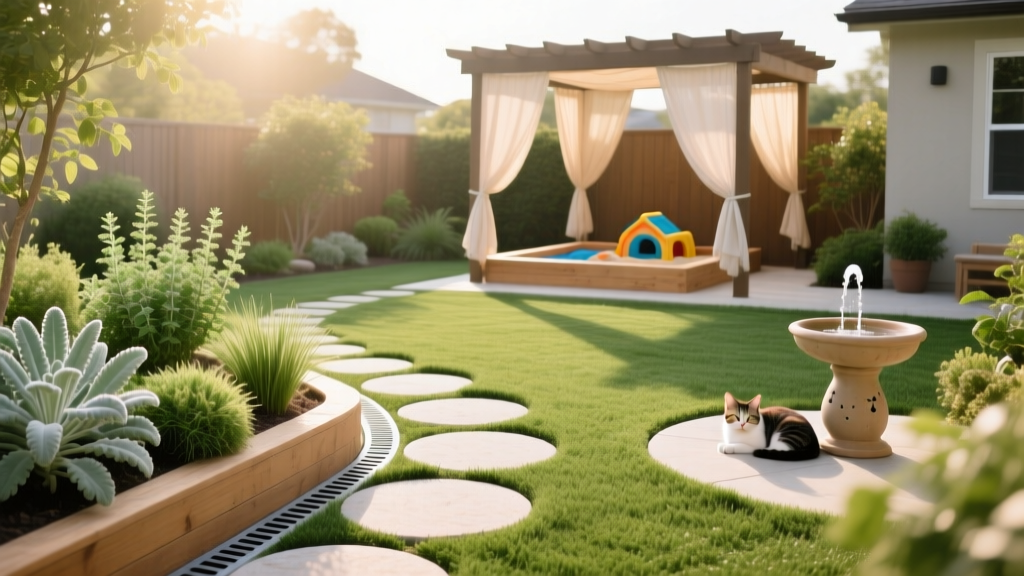
Designing a Pet-Safe and Toddler-Friendly Backyard
Mike RodriguezPublished
Introduction to Family-Friendly Landscaping
Creating a backyard that serves as a safe haven for both toddlers and pets requires a delicate balance between durability, aesthetics, and toxicity management. For many homeowners, the dream of a pristine, magazine-ready lawn quickly fades when faced with the reality of dog urine spots, muddy paw prints, and the terrifying prospect of a curious toddler ingesting a toxic ornamental shrub. Bridging the gap between indoor comfort and outdoor living means designing a landscape that anticipates the chaotic, joyful energy of family life. This comprehensive guide explores actionable, pet-safe, and toddler-proof landscaping strategies, from selecting resilient grass alternatives to integrating smart home irrigation systems that keep your yard dry and disease-free. Whether you are installing a new garden-to-table vegetable patch or simply trying to protect your existing turf from heavy foot traffic, these family-friendly yard tips will help you cultivate a beautiful, secure outdoor oasis.
Choosing the Right Turf and Ground Cover
The foundation of any family-friendly yard is the ground cover. Traditional Kentucky Bluegrass, while soft, is highly susceptible to damage from dog claws and heavy toddler play. When selecting a turfgrass or alternative, you must prioritize deep root systems, rapid recovery rates, and soft textures. Bermuda grass and Zoysia grass are exceptional choices for warm climates due to their high traffic tolerance and rapid self-repairing rhizomes. For cooler climates, Tall Fescue offers deep roots and excellent wear resistance, though it can be prone to brown spots from dog urine.
To combat urine burn, many families are turning to Microclover (Trifolium repens) blends. Microclover is naturally drought-tolerant, requires less mowing, and does not burn when exposed to pet urine. Furthermore, it fixes nitrogen in the soil, reducing the need for synthetic fertilizers that can irritate sensitive paws and bare toddler feet. If natural grass is too high-maintenance, consider high-quality artificial turf designed specifically for pets. Look for products with a polyethylene blade (which is softer on skin) and a permeable backing that allows for rapid drainage. When installing artificial turf, use Zeolite as an infill instead of crumb rubber. Zeolite is a natural mineral that absorbs ammonia odors and stays significantly cooler in direct sunlight, protecting delicate paws and feet from thermal burns.
| Ground Cover Option | Traffic Durability | Urine Resistance | Estimated Cost per Sq Ft |
|---|---|---|---|
| Bermuda Grass | High | Moderate | $0.30 - $0.85 |
| Tall Fescue | Moderate-High | Low | $0.20 - $0.60 |
| Microclover Blend | Moderate | High | $0.40 - $1.00 |
| Pet-Safe Artificial Turf | Very High | High | $5.00 - $12.00 |
Cultivating a Non-Toxic Plant Palette
One of the most critical aspects of a family-friendly yard is ensuring your plant palette is entirely non-toxic. Toddlers explore the world through taste, and dogs frequently chew on foliage out of boredom or instinct. According to the ASPCA's Toxic and Non-Toxic Plants database, hundreds of common ornamental plants pose severe risks to animals and humans. Sago Palms, Oleanders, Foxgloves, and Lilies are highly toxic and must be strictly avoided or removed from any accessible garden bed. Even the water from a vase containing Lilies can cause fatal kidney failure in cats and severe gastrointestinal distress in dogs.
Instead, curate your garden with robust, non-toxic alternatives that provide vibrant color and texture without the danger. Snapdragons, Sunflowers, Boston Ferns, and Zinnias are completely safe for pets and children. If you are integrating a garden-to-table raised bed, ensure that any companion planting herbs are also safe. Rosemary, Basil, and Thyme are excellent, pet-safe choices that deter certain pests while remaining edible for your family. For borders and privacy screens, swap out toxic Yew or Privet for safe shrubs like Camellias, Bottlebrush, or Bamboo (ensure it is clumping bamboo, not running, to prevent it from overtaking your yard). The American Kennel Club also recommends elevating fragile or mildly toxic plants into hanging baskets or raised planters that are physically out of reach of curious toddlers and jumping dogs.
Hardscaping, Mulch, and Hidden Hazards
Hardscaping and mulch choices present hidden hazards that many homeowners overlook. Cocoa bean mulch, a byproduct of chocolate production, emits a sweet aroma that is highly attractive to dogs. However, it contains theobromine and caffeine, the same compounds that make chocolate toxic to canines. Ingestion can lead to vomiting, diarrhea, tremors, and even seizures. To maintain a neat, weed-suppressed garden bed safely, opt for untreated cedar or pine bark mulch. Cedar mulch has the added benefit of naturally repelling fleas and ticks, creating a safer play zone for pets and children.
When designing pathways and play areas, avoid sharp gravel, crushed lava rock, or hot paving stones, which can lacerate or burn paw pads and bare feet. Instead, use smooth river rocks, decomposed granite, or poured rubber mulch (ensuring it is certified non-toxic and free of heavy metals). For digging dogs, dedicate a specific 'digging zone' filled with play-grade sandbox sand. Burying durable toys in this designated area redirects their natural instincts away from your prized flower beds and vegetable patches.
Smart Irrigation, Drainage, and Health
Proper drainage and smart irrigation are paramount for a healthy, family-friendly yard. Standing water is not only a breeding ground for mosquitoes but also a potential vector for Leptospirosis, a serious bacterial infection that can affect both dogs and humans. The Centers for Disease Control and Prevention (CDC) notes that the bacteria are spread through the urine of infected animals, which can contaminate soil and standing water. Ensuring your yard has a proper grading slope (a minimum drop of 2% away from the house and play areas) and incorporating French drains in low-lying spots will eliminate puddles and keep the yard usable shortly after a rainstorm.
To prevent overwatering and the resulting muddy messes, upgrade your irrigation system with a smart controller. Devices like the Rachio 3 or Rain Bird ST8I-2.0S connect to local weather stations and automatically skip watering cycles when rain is forecasted. The EPA WaterSense program highlights that weather-based smart irrigation controllers can save the average home nearly 7,600 gallons of water annually while keeping the lawn healthy. Furthermore, schedule your irrigation cycles for the early morning (between 4:00 AM and 6:00 AM). This allows the grass blades to dry before your children and pets head outside to play, significantly reducing the risk of fungal lawn diseases and muddy footprints tracking into your home.
Creating Enrichment Zones for Pets and Kids
A truly family-friendly yard goes beyond mere safety; it provides enrichment and entertainment. Create a 'sensory garden' for toddlers and pets using ornamental grasses like Miscanthus or Fountain Grass, which rustle beautifully in the wind and provide safe, tactile exploration. Install a shallow, recirculating bubbling rock water feature. Unlike traditional ponds or birdbaths, a bubbling rock offers the soothing sound of water without the drowning hazard associated with standing water, making it entirely safe for unattended toddlers and curious puppies.
Incorporate shade structures such as sail canopies or pergolas draped with non-toxic climbing vines like Jasmine or Honeysuckle. Shade is critical for preventing heatstroke in dogs, as they do not sweat through their skin and rely on panting and cool ground to regulate their body temperature. By strategically placing shade over high-traffic play zones and artificial turf areas, you extend the usability of your outdoor living space well into the peak heat of summer afternoons.
Conclusion
Designing a pet-safe and toddler-friendly backyard is an investment in your family's health, happiness, and peace of mind. By selecting resilient ground covers like Microclover or pet-specific artificial turf, curating a non-toxic plant palette, avoiding hazardous mulches, and leveraging smart irrigation technology, you can create a dynamic outdoor space that withstands the rigors of active play. Remember that a successful family yard is not about achieving rigid, manicured perfection, but rather fostering a safe, engaging environment where both children and pets can thrive alongside nature.
