Pest Control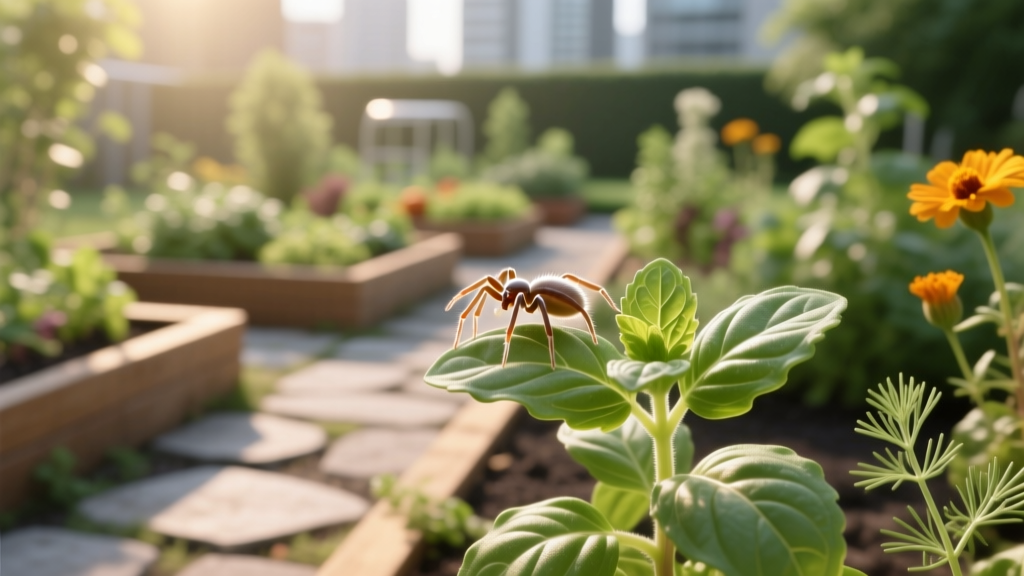
2026 Guide: Phytoseiulus Release For Edible Spider Mite Control
Emily WatsonPublished
The Rising Threat of Spider Mites in Modern Foodscaping
As edible landscaping and foodscaping continue to dominate garden trends in 2026, homeowners are increasingly blending ornamental aesthetics with high-yield fruit and vegetable production. However, this dense, diverse planting style creates the perfect microclimate for one of the most destructive pests in the garden: the spider mite (Tetranychus urticae). Spider mites thrive in the sheltered, humid canopies of dwarf fruit trees, sprawling squash, and container-grown peppers. Unlike traditional row-crop farming, foodscaping requires pest control methods that are entirely safe for human consumption, pet-friendly, and supportive of local pollinators. This is where integrated pest management (IPM) shines, specifically through the strategic release of the predatory mite Phytoseiulus persimilis.
Identifying Spider Mite Damage on Edible Crops
Before deploying biological controls, accurate identification is crucial. Spider mites are microscopic arachnids that pierce plant cells to extract chlorophyll, leaving behind distinct damage patterns across your edible landscape:
- Tomatoes and Peppers: Look for fine, yellow stippling on the upper leaf surfaces. As the infestation worsens, leaves will bronze, curl, and drop prematurely, severely reducing fruit yield.
- Dwarf Citrus and Berry Bushes: Mites congregate on the undersides of leaves, often producing fine, silken webbing that traps dust and debris. Fruit may become shriveled or sun-scalded due to leaf loss.
- Cucurbits (Squash, Melons): Rapid vine decline and brittle, pale leaves are hallmark signs, especially during the peak heat of mid-summer.
To confirm their presence, perform the 'tap test.' Hold a piece of white paper beneath a suspect leaf and tap the foliage sharply. If you see tiny, moving specks (the size of a grain of pepper) crawling across the paper, you have a spider mite infestation.
Why Phytoseiulus persimilis is the Ultimate Biocontrol Agent
Phytoseiulus persimilis is a specialist predatory mite that feeds exclusively on spider mites in all their life stages—eggs, nymphs, and adults. According to Cornell University's IPM program, a single adult Phytoseiulus can consume up to 20 spider mite eggs or 5 adult spider mites per day. Because they are entirely specialized, they pose zero threat to your edible plants, beneficial pollinators, or household pets. Once the spider mite population is eradicated, the Phytoseiulus will naturally die off or migrate, leaving no toxic residue on your harvestable crops.
Optimizing Your Edible Landscape for Predatory Mites
The success of a Phytoseiulus release in an outdoor foodscape hinges on environmental conditions. These predatory mites are highly sensitive to low humidity and extreme heat. They require a relative humidity (RH) of at least 60% to reproduce effectively. In the arid climates of the American West or during late-summer heatwaves, gardeners must manipulate the foodscape microclimate to support the predators.
Microclimate Hacking for Foodscapes
- Deep Mulching: Apply a 2-to-3-inch layer of organic straw or wood chip mulch around the base of your edible plants to retain soil moisture and elevate ambient humidity.
- Overhead Misting: Install a temporary misting system or manually mist the foliage of your fruit trees and raised beds in the early morning and late evening.
- Dense Canopy Layering: Utilize the foodscaping principle of 'stacking' by planting low-growing herbs like oregano and thyme beneath taller crops to trap ground-level moisture.
Step-by-Step Release Protocol for 2026
In 2026, commercial biocontrol suppliers ship Phytoseiulus persimilis in biodegradable shaker bottles filled with a vermiculite or corncob grit carrier. Follow these steps for optimal distribution:
- Timing is Everything: Release the mites in the early morning or late evening when temperatures are cooler and UV radiation is low.
- Pre-Watering: Water your edible landscape thoroughly an hour before release to boost humidity and wash away excessive dust from the leaves.
- Targeted Application: Gently rotate the shaker bottle to distribute the predators evenly within the carrier. Sprinkle the mixture directly onto the leaves of infested plants, focusing on the lower canopy and areas where webbing is visible.
- Leave the Carrier: Do not wash the vermiculite off the leaves. The carrier provides temporary shelter and moisture for the predatory mites as they acclimate to their new environment.
Phytoseiulus Release Rates for Common Foodscape Plants
Determining the correct release rate is vital for economic and ecological efficiency. The table below outlines the recommended 2026 release rates based on plant type and infestation severity.
| Plant Type | Infestation Level | Release Rate (Mites per Plant) | Reapplication Interval |
|---|---|---|---|
| Container Peppers/Eggplant | Low (Scattered stippling) | 10 - 15 | 14 Days |
| Container Peppers/Eggplant | High (Webbing, leaf drop) | 25 - 30 | 7 Days |
| Dwarf Citrus Trees | Low (Underside stippling) | 50 - 75 | 14 Days |
| Dwarf Citrus Trees | High (Extensive webbing) | 100 - 150 | 7 Days |
| Sprawling Cucurbits (Per 10 sq ft) | Moderate | 50 | 10 Days |
Synergizing Biocontrol with Edible Companion Planting
Foodscaping relies heavily on companion planting, and this philosophy extends to pest management. To maximize the efficacy of your Phytoseiulus release, integrate 'trap crops' into your landscape design. Plants like bush beans, marigolds, and zinnias are highly attractive to spider mites. By planting these sacrificial species on the periphery of your main edible beds, you draw the pest populations into concentrated zones. Once the spider mites aggregate on the trap crops, you can deploy a concentrated release of Phytoseiulus directly onto these plants, allowing the predators to multiply rapidly before fanning out to protect your high-value tomatoes and berries.
Navigating Pesticide Incompatibilities in Organic Gardens
One of the most common mistakes in edible landscaping is combining biological controls with incompatible organic sprays. Phytoseiulus persimilis is highly susceptible to many common garden treatments. The University of California Agriculture and Natural Resources (UC ANR) explicitly warns against using sulfur-based fungicides and broad-spectrum botanical oils when predatory mites are present. Sulfur residues can remain toxic to Phytoseiulus for weeks after application. If you must use a soft spray like Neem oil or insecticidal soap to knock down a severe, localized spider mite hotspot, do so at least 5 to 7 days before releasing your predatory mites, and rinse the foliage thoroughly with water prior to the biocontrol release.
2026 Sourcing, Pricing, and Viability Checks
The biocontrol market has matured significantly by 2026, with improved cold-chain logistics ensuring higher survival rates during transit. Expect to pay between $55 and $85 for a shaker bottle containing 2,000 live Phytoseiulus persimilis mites. When your order arrives, immediately perform a viability check. Open the bottle and use a 10x jeweler's loupe or your smartphone's macro lens to inspect the vermiculite. The predatory mites are slightly larger, more active, and possess a distinct reddish-orange hue compared to the pale, sluggish spider mites. If the contents appear entirely static or smell foul (indicating bacterial rot in the carrier), contact the supplier for a replacement under their 2026 live-delivery guarantee.
Post-Release Monitoring and Long-Term IPM Success
Patience is a cornerstone of integrated pest management. Unlike synthetic miticides that offer an overnight 'knockdown' effect, Phytoseiulus requires time to hunt, reproduce, and shift the ecological balance. Within 7 to 10 days post-release, you should notice a cessation of new webbing and a reduction in the number of adult spider mites. By day 14, the predatory mite population will peak, effectively crashing the pest colony. To maintain a resilient edible landscape throughout the growing season, avoid broad-spectrum chemical fertilizers that promote rapid, sappy plant growth—which is highly attractive to spider mites. Instead, focus on slow-release organic composts and balanced soil biology to cultivate robust, pest-resistant foodscape plants from the roots up.