Pest Control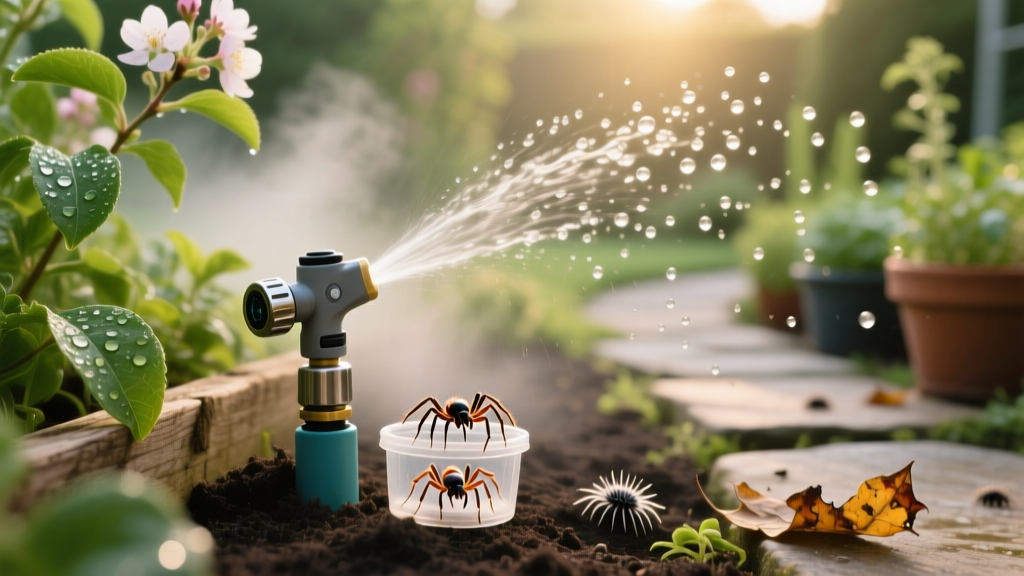
2026 Spider Mite Control: Phytoseiulus & Sprinkler Tips
Emily WatsonPublished
The 2026 Challenge: Spider Mites and Climate Shifts
As we navigate the prolonged heatwaves and shifting climate patterns of 2026, home gardeners and lawn care professionals are facing an unprecedented surge in spider mite infestations. Spider mites (family Tetranychidae) are notorious for destroying ornamental plants, vegetables, and fruit trees by piercing leaf cells and sucking out the contents, leaving behind a stippled, yellowed, and eventually desiccated canopy. Compounding the issue is the widespread resistance these pests have developed to common chemical miticides like bifenthrin and abamectin. According to the University of California Agriculture and Natural Resources (UC ANR), spider mites thrive in dusty, water-stressed environments, making traditional chemical control increasingly ineffective and environmentally damaging.
To combat this, Integrated Pest Management (IPM) strategies have shifted heavily toward biological controls. However, simply buying and releasing beneficial insects is not enough. The secret to a successful biological eradication lies in an often-overlooked garden system: your sprinkler and irrigation infrastructure. By strategically manipulating your irrigation system, you can create a microclimate that suppresses spider mites while perfectly supporting their ultimate predator: Phytoseiulus persimilis.
Meet the Assassin: Phytoseiulus persimilis
Phytoseiulus persimilis is a predatory mite that feeds exclusively on spider mites. An adult female P. persimilis is a voracious hunter, capable of consuming 5 to 20 adult spider mites or up to 30 eggs per day. They develop twice as fast as their prey, allowing them to rapidly overtake and collapse a spider mite colony. However, P. persimilis has strict environmental requirements. They require a relative humidity (RH) of at least 60% for their eggs to hatch successfully, and they prefer temperatures between 59°F and 77°F. If your garden canopy is bone-dry, the predatory mites will fail to reproduce, and the spider mites will win the war.
The Missing Link: Sprinkler Irrigation and Microclimates
In recent years, the widespread adoption of drip irrigation has been a boon for water conservation, but it has inadvertently created the perfect breeding ground for spider mites. Drip systems deliver water directly to the root zone, leaving the foliage completely dry. Furthermore, without overhead water to wash them clean, plant leaves accumulate dust. Dust is a massive barrier to biological control; it physically impedes the movement of predatory mites and provides a structural anchor for spider mite webbing.
To successfully integrate P. persimilis into your garden, you must use your sprinkler system to engineer a favorable microclimate. Overhead sprinklers and micro-sprinklers serve two critical IPM functions:
- Dust Removal: A gentle overhead wash clears dust from the leaves, giving the predatory mites a clean surface to hunt and lay eggs.
- Humidity Spiking: Brief overhead irrigation cycles temporarily raise the canopy relative humidity above the 60% threshold required for P. persimilis egg viability, without waterlogging the soil.
The Environmental Protection Agency (EPA) emphasizes that effective IPM relies on manipulating environmental conditions to make the habitat less suitable for pests. By pairing smart sprinkler technology with biological releases, you are executing IPM at the highest level.
Configuring Your Sprinkler System for Biological Control
Upgrading to Micro-Sprinklers and Smart Controllers
If your garden beds are entirely on drip lines, consider retrofitting zones with micro-sprinklers or overhead popup spray heads for targeted canopy washing. In 2026, smart irrigation controllers like the Rachio 4 or Hunter Hydrawise Pro are essential for this strategy. These controllers integrate with hyper-local weather stations and evapotranspiration (ET) data, allowing you to program 'custom micro-climate cycles.'
Instead of long, deep soakings, you will program your smart controller to run brief, 2-to-3-minute overhead 'pulse' cycles during the early morning and late afternoon. This provides the humidity spike the predatory mites need to reproduce, while the midday sun ensures the leaves dry out quickly enough to prevent foliar fungal diseases like powdery mildew.
The 7-Day Irrigation and Release Timeline
Timing your sprinkler system around the release of P. persimilis is critical. If you run heavy overhead sprinklers immediately after releasing them, you will wash your expensive beneficial insects down the drain. Follow this 7-day schedule to maximize survival and eradication rates:
| Day | Action | Sprinkler / Irrigation Setting | Purpose |
|---|---|---|---|
| Day 1 | Canopy Prep | Heavy overhead sprinkler wash (10 mins) | Wash away dust, webbing, and existing pest debris. |
| Day 2 | Release P. persimilis | Drip irrigation ONLY. No overhead sprinklers. | Allow predatory mites to settle onto leaves without being washed away. |
| Day 3 | Humidity Boost | Micro-sprinkler pulse (3 mins at 6:00 AM) | Spike RH above 60% to encourage predatory egg hatching. |
| Day 4 | Humidity Boost | Micro-sprinkler pulse (3 mins at 6:00 AM & 4:00 PM) | Sustain humidity during peak heat hours. |
| Day 5 | Monitor & Pulse | Micro-sprinkler pulse (3 mins at 6:00 AM) | Check for predatory mite activity; maintain microclimate. |
| Day 6 | Assess Damage | Standard smart-controller ET schedule | Spider mite colonies should show signs of collapse. |
| Day 7 | Maintenance | Weekly overhead dust-wash (5 mins) | Prevent dust buildup for long-term predatory mite retention. |
Sourcing and Application Costs in 2026
Biological controls have become more accessible and affordable in 2026 due to improved commercial rearing facilities and optimized cold-chain shipping. Here is what you can expect to budget for a integrated sprinkler-mite IPM program:
- Phytoseiulus persimilis (1,000 count bottle): $35.00 - $45.00. This is sufficient to treat approximately 500 to 1,000 square feet of heavily infested garden beds or greenhouse space.
- Micro-Sprinkler Retrofit Kit (e.g., Dramm or Hunter): $50.00 - $85.00 per zone. Includes flexible risers, 360-degree micro-sprayers, and pressure regulators.
- Smart Irrigation Controller Upgrade: $150.00 - $250.00. A worthwhile investment that pays for itself in water savings and precision IPM scheduling.
Pro Tip: Always release the mites at dusk or in the very early morning. The cooler temperatures and naturally higher evening humidity reduce stress on the predators and give them the entire night to disperse across the foliage before the midday sun hits.
Common Mistakes to Avoid
Even with a perfect sprinkler schedule, a few common missteps can derail your biological control efforts:
- Using Broad-Spectrum Pesticides: Never apply carbaryl, malathion, or synthetic pyrethroids before or after releasing P. persimilis. These chemicals will instantly kill your beneficial mites and often trigger a 'flare-up' of spider mite populations due to the elimination of natural enemies.
- Over-Watering the Soil: The goal of the overhead pulse is to wet the foliage and raise the ambient humidity, not to saturate the root zone. Ensure your soil has adequate drainage, and rely on your drip lines for deep root watering to prevent root rot.
- Ignoring Dusty Pathways: Spider mites often originate from dusty, unpaved garden paths or dry dirt roads nearby. Use your sprinkler system to occasionally dampen these pathways or apply a layer of organic mulch to trap dust before it settles on your prized plants.
Conclusion
Spider mite control in 2026 requires a departure from the 'spray and pray' chemical mentality. By viewing your sprinkler and irrigation system not just as a watering tool, but as a microclimate engineering device, you can unlock the full potential of Phytoseiulus persimilis. Strategic overhead washing, smart-controller humidity pulses, and careful release timing will transform your garden into an environment where spider mites simply cannot survive, ensuring a lush, vibrant, and naturally balanced landscape for years to come.