Home & Garden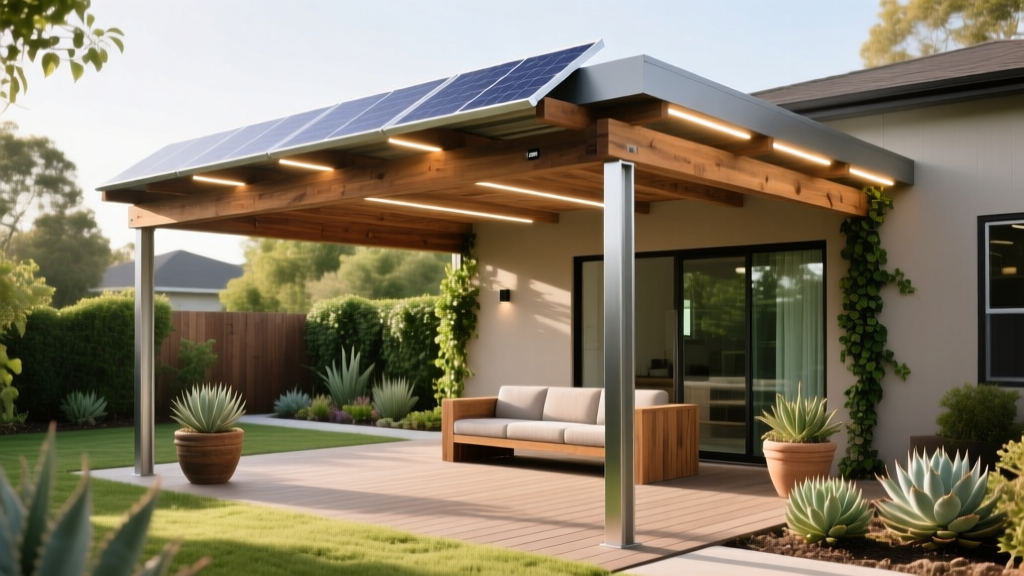
How to Plan an Energy-Efficient Smart Patio and Pergola
Robert HayesPublished
Introduction to Smart Outdoor Living
Transforming a standard backyard into a seamless extension of your indoor living space requires more than just purchasing a high-end patio furniture set. Today's homeowners are increasingly seeking outdoor environments that are not only aesthetically pleasing but also technologically integrated and energy-efficient. By thoughtfully planning your outdoor space, you can reduce your carbon footprint, lower utility bills, and create a year-round sanctuary. This comprehensive guide will walk you through the essential design principles, material selections, and smart home integrations necessary to plan an energy-efficient smart patio and pergola. From mitigating the urban heat island effect to installing automated louvered roofs and dark-sky compliant lighting, every decision plays a pivotal role in crafting a sustainable outdoor oasis. Whether you are working with a compact urban courtyard or a sprawling suburban backyard, these actionable design strategies will help you maximize both functionality and ecological responsibility.
Step 1: Microclimate Mapping and Spatial Planning
Before pouring concrete or ordering lumber, the most critical phase of patio design is understanding your yard's unique microclimate. A microclimate refers to the specific environmental conditions of a small, localized area, which can differ significantly from the general regional climate. Factors such as sun exposure, wind corridors, and soil drainage will dictate where your patio should sit and how it should be oriented. Spend a few days tracking the sun's path across your property. Note which areas receive harsh afternoon solar radiation and which spots remain shaded. This solar mapping will inform the placement of your pergola, ensuring that automated louvers can effectively block peak summer heat while allowing passive solar warming during the winter months. Additionally, consider prevailing wind directions. Positioning your outdoor kitchen and dining area upwind from potential smoke sources or utilizing strategic landscaping as a windbreak can drastically improve comfort without relying on energy-heavy outdoor fans or heaters.
Step 2: Selecting Cool and Permeable Hardscaping
The materials you choose for your patio floor have a profound impact on both local temperatures and stormwater management. Traditional dark concrete and asphalt absorb massive amounts of solar radiation, creating localized heat islands that can make your patio unbearably hot and increase the cooling load on your adjacent indoor spaces. According to the Environmental Protection Agency (EPA), utilizing cool pavements and permeable surfaces can significantly reduce surface temperatures and mitigate runoff. When designing your patio, prioritize materials with high solar reflectance (albedo) and permeability. Light-colored natural stones, specialized cool-pave concrete sealants, and permeable interlocking pavers allow rainwater to percolate into the ground, replenishing local aquifers while keeping the surface temperature notably cooler.
| Hardscaping Material | Avg Cost (per sq ft) | Heat Retention | Permeability |
|---|---|---|---|
| Standard Poured Concrete | $6 - $12 | High | None |
| Permeable Interlocking Pavers | $10 - $20 | Medium | High |
| Light Natural Stone (Travertine) | $15 - $30 | Low | Low (Joint dependent) |
| Composite Decking | $12 - $22 | Medium-High | High (Between boards) |
Step 3: The Smart Pergola: Automated Shading and Solar Integration
A pergola is the architectural anchor of any outdoor living space, but modern design has elevated it from a simple wooden lattice to a dynamic, energy-generating structure. Bioclimatic pergolas, featuring motorized aluminum louvers, represent the pinnacle of smart outdoor planning. These systems can be integrated with rain and wind sensors, automatically closing the roof to protect your outdoor furniture during sudden downpours or adjusting the louver angle to optimize shade based on the sun's real-time position. Furthermore, integrating solar technology into your pergola design can offset the energy consumption of your outdoor appliances. Solar pergola roofs, utilizing thin-film photovoltaic panels or integrated solar shingles, can generate enough clean electricity to power your smart lighting, outdoor refrigerators, and even feed back into your home's main grid. While the upfront cost of a motorized, solar-ready aluminum pergola can range from $15,000 to $35,000, the long-term energy savings and unparalleled climate control make it a worthwhile investment for serious outdoor enthusiasts.
Step 4: Illuminating the Space: Smart and Dark-Sky Compliant Lighting
Lighting bridges the transition from day to night, but poorly planned outdoor illumination leads to light pollution, disrupted local wildlife, and wasted electricity. The U.S. Department of Energy strongly recommends utilizing LED fixtures combined with smart controls to maximize efficiency. When planning your lighting layout, employ a layered approach: use low-glare path lights for safety, directional uplighting for architectural trees, and warm-toned task lighting for the outdoor kitchen. To make your system truly smart, connect your low-voltage LED transformer to a Wi-Fi-enabled smart hub, such as Lutron Caseta or a specialized landscape lighting controller. This allows you to program lighting schedules that adjust automatically with local sunset times, integrate with motion sensors for security, and dim the lights via voice commands when entertaining guests. Crucially, ensure all fixtures are Dark-Sky compliant, meaning they feature shields that direct light downward, preventing skyglow and protecting nocturnal ecosystems.
Step 5: Garden-to-Table Culinary Integration and Smart Irrigation
A truly holistic outdoor living space blurs the line between landscaping and culinary preparation. Incorporating a garden-to-table element into your patio design not only provides fresh ingredients but also enhances the biophilic connection to your environment. Plan for modular, galvanized steel raised beds positioned adjacent to your outdoor prep station. These metal beds offer superior drainage, warm up quickly in the spring, and can be configured to match the geometric lines of your patio. Fill them with high-yield culinary herbs like rosemary, thyme, basil, and dwarf citrus trees. To maintain these beds without wasting water, integrate a smart drip irrigation system. Drip irrigation delivers water directly to the root zone, minimizing evaporation. By pairing this with a smart controller that uses local weather forecasts and soil moisture data to automatically skip watering on rainy days, you can drastically reduce outdoor water usage. The EPA WaterSense program notes that smart irrigation controllers can save the average home nearly 7,600 gallons of water annually, making it a vital component of sustainable landscape planning.
Budgeting and Return on Investment
Planning an energy-efficient smart patio requires a strategic allocation of your renovation budget. While sustainable materials and smart technology carry a premium upfront cost, they offer substantial long-term dividends through reduced utility bills, lower maintenance requirements, and increased property value.
- Hardscaping and Permeable Pavers: $4,000 - $8,000 (for a 400 sq ft area)
- Bioclimatic Motorized Pergola: $15,000 - $25,000
- Smart LED Lighting System: $1,500 - $3,500
- Modular Raised Beds and Smart Irrigation: $1,200 - $2,500
- Outdoor Kitchen and Energy Star Appliances: $8,000 - $15,000
Expert Tip: When budgeting for your outdoor project, allocate at least 15 percent of your total funds toward smart automation and energy-efficient upgrades. The ROI on these features frequently outpaces traditional aesthetic upgrades when it comes time to appraise your home.
Conclusion
Designing an energy-efficient smart patio and pergola is an exercise in balancing luxury with environmental stewardship. By carefully analyzing your microclimate, selecting permeable and cool hardscaping materials, investing in automated shading, and integrating smart irrigation and lighting, you create a space that is as kind to the planet as it is to your lifestyle. As technology continues to evolve, the outdoor living space will only become more integrated with the smart home ecosystem, proving that the future of landscape design is not just beautiful, but brilliantly intelligent.
