Home & Garden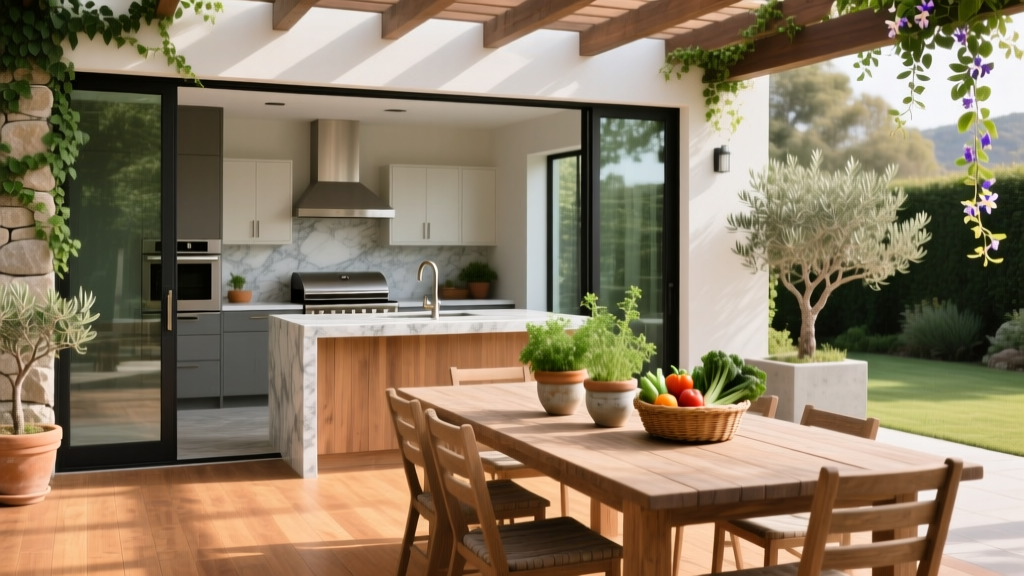
Plan Your Dream Indoor-Outdoor Kitchen and Dining Space
Sarah ChenPublished
Bridging the Gap: The Indoor-Outdoor Culinary Hub
The modern home is no longer confined by its exterior walls. Today, the most sought-after residential design feature is the seamless integration of indoor and outdoor living spaces, particularly when it comes to cooking and dining. Planning an indoor-outdoor kitchen and dining area requires a delicate balance of architectural flow, durable material selection, and functional landscaping. Whether you are renovating an existing patio or designing a new build from scratch, creating a cohesive culinary hub that connects your interior kitchen to your backyard garden elevates both your property value and your daily lifestyle. According to the National Kitchen & Bath Association (NKBA), outdoor kitchens and multi-functional living spaces remain at the top of homeowner wish lists, driven by a desire for entertainment-ready spaces and a closer connection to nature.
Step 1: Architectural Transitions and Flow
The success of an indoor-outdoor kitchen relies heavily on the physical transition between the interior and exterior. You want to eliminate the feeling of crossing a threshold. The most effective way to achieve this is through expansive, retractable glass door systems. Brands like NanaWall or LaCantina offer aluminum-framed bi-fold and multi-slide doors that can open up to 12 feet or more, effectively erasing the boundary between your indoor kitchen and outdoor patio.
If a full glass wall replacement is outside your budget or structural feasibility, consider installing a pass-through servery window. An 8-foot wide, gas-strut awning window with a continuous quartz or Dekton countertop that extends from the inside to the outside creates an instant bar and prep zone. When planning your walkways, adhere to standard ergonomic measurements: maintain a minimum of 36 inches for primary walkways and 42 to 48 inches of clearance in front of appliances and cooking zones to allow multiple people to navigate the space comfortably.
Step 2: Zoning the Outdoor Work Triangle
Just like an indoor kitchen, your outdoor cooking space should respect the classic 'work triangle'—the spatial relationship between the sink, the refrigerator, and the primary cooking surface. However, outdoor kitchens require an expanded approach to zoning due to environmental factors and entertainment needs.
- The Hot Zone: Position your grill, pizza oven, or smoker downwind from the primary dining and indoor entry areas to prevent smoke from drifting into the house or bothering guests. A built-in Traeger Timberline or a Kamado-style ceramic grill requires a minimum of 18 inches of non-combustible clearance on either side.
- The Cold Zone: Outdoor refrigerators and ice makers must be rated for exterior use (capable of operating in ambient temperatures up to 110°F). Place this zone near the indoor pass-through for easy grocery unloading.
- The Prep and Wash Zone: Install a deep, single-basin stainless steel sink with a pull-down sprayer. Ensure your plumbing lines are insulated and equipped with an automatic shut-off valve to prevent winter freezing.
Step 3: Material Selection for Extreme Durability
Outdoor materials must withstand UV radiation, freezing and thawing cycles, and heavy precipitation. The American Society of Landscape Architects (ASLA) consistently highlights the importance of specifying hardscape materials that offer both longevity and aesthetic continuity with the home's interior.
| Material | Best Application | Avg. Cost (Installed) | Pros & Cons |
|---|---|---|---|
| Cosentino Dekton | Countertops | $120 - $180 / sq ft | Highly UV and scratch-resistant; zero porosity. Expensive upfront. |
| Honed Granite | Countertops | $80 - $120 / sq ft | Classic look, very durable. Requires annual sealing to prevent stains. |
| Porcelain Pavers | Flooring | $15 - $30 / sq ft | Slip-resistant, fade-proof, mimics wood/stone. Hard underfoot. |
| Marine-Grade Polymer | Cabinetry | $800 - $1,500 / linear ft | Impervious to water and rot. Limited color palette compared to wood. |
| Powder-Coated Steel | Cabinetry | $600 - $1,000 / linear ft | Sleek, modern, highly durable. Can dent; requires touch-up if scratched. |
Design Tip: To create a seamless visual flow, use the same or highly complementary flooring materials on both sides of the threshold. If your indoor kitchen features large-format oak porcelain tile, carry a matching exterior-rated porcelain paver onto the patio to visually expand the square footage.
Step 4: Integrating the Garden-to-Table Concept
A true indoor-outdoor culinary space bridges the gap between the kitchen and the garden. Planning a 'garden-to-table' layout means positioning your edible landscaping within arm's reach of your prep zone. Design raised planter beds using naturally rot-resistant woods like Western Red Cedar or composite materials like Trex. For ergonomic harvesting, build these beds to a height of 18 to 24 inches and a maximum width of 4 feet so you can reach the center without stepping into the soil.
Install a vertical living wall or a tiered herb spiral directly adjacent to the outdoor prep sink. Plant high-use culinary herbs such as rosemary, thyme, basil, and mint. To ensure these plants thrive without manual daily watering, integrate a smart drip irrigation system. The National Association of Home Builders (NAHB) notes that smart irrigation and sustainable landscaping are major value-adds for modern homebuyers, reducing water waste while keeping culinary gardens lush.
Step 5: Smart Home and Utility Planning
Do not treat your outdoor kitchen as an afterthought when it comes to utilities. Proper planning of electrical, gas, and smart home integrations is crucial for functionality and safety.
- Smart Lighting: Layer your lighting just as you would indoors. Use LED hardscape lights under countertop overhangs for task lighting, and smart uplighting in surrounding trees for ambiance. Integrate these with a system like Lutron Caseta so you can set 'Dining' or 'Cooking' scenes from your phone.
- Weather Sensors: Install motorized, wind-resistant pergola louvers (such as those from StruXure) equipped with integrated rain sensors. If a sudden summer storm hits while you are prepping, the louvers will automatically close to protect your appliances and guests.
- Connectivity: Run hardwired Cat6 ethernet to your outdoor media and smart grill locations. Wi-Fi signals often degrade through exterior walls and Low-E glass, so a dedicated outdoor mesh access point ensures your smart smoker and outdoor speakers never lose connection.
Step 6: Budgeting and Project Timeline
Planning an outdoor kitchen is a significant investment. The timeline and budget will vary wildly based on site preparation, utility trenching, and material finishes. Below is a structured estimate for a mid-to-high-end 200-square-foot outdoor kitchen and dining patio in a temperate climate.
| Project Phase | Estimated Cost Range | Typical Timeline |
|---|---|---|
| Design & Permitting | $2,500 - $6,000 | 3 - 6 Weeks |
| Site Prep & Utility Trenching | $4,000 - $9,000 | 1 - 2 Weeks |
| Hardscaping & Patio Flooring | $6,000 - $15,000 | 2 - 3 Weeks |
| Cabinetry & Countertops | $12,000 - $25,000 | 2 - 4 Weeks (includes fabrication) |
| Appliances & Smart Tech | $8,000 - $20,000 | 1 Week (installation) |
| Landscaping & Garden Beds | $3,000 - $8,000 | 1 - 2 Weeks |
When planning your timeline, always account for local permit approvals and HOA reviews, which can add a month or more to the front end of your project. Furthermore, schedule your utility trenching and concrete pouring during dry, mild seasons to avoid weather-related delays.
Conclusion
Designing a seamless indoor-outdoor kitchen and dining space is a masterclass in blending architectural functionality with natural beauty. By carefully mapping your transitions, selecting weather-defying materials, integrating smart technology, and embracing the garden-to-table lifestyle, you create more than just a patio—you build a year-round culinary sanctuary that fundamentally enhances how you live, cook, and entertain.
