Home & Garden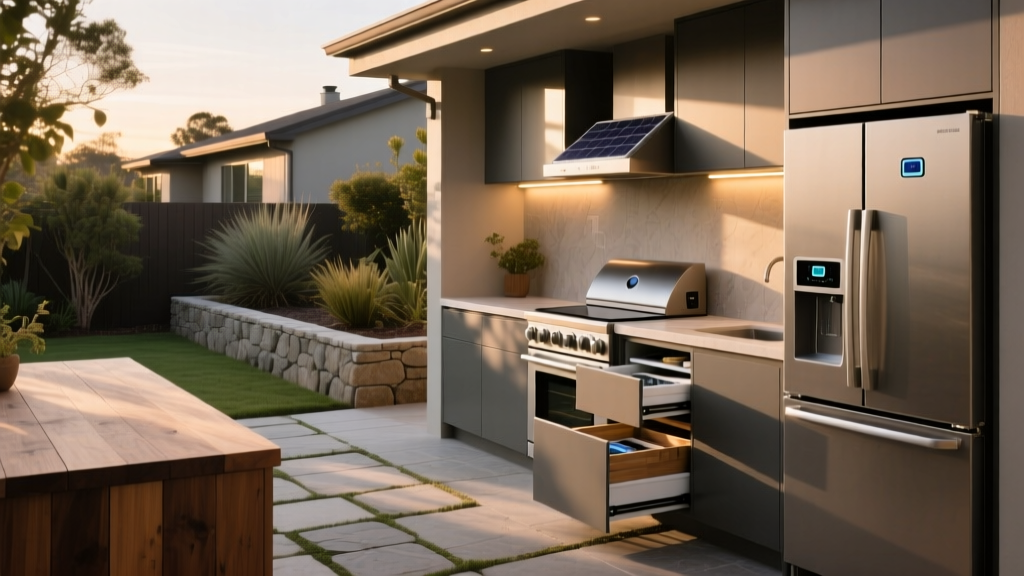
How to Plan a Smart, Energy-Efficient Outdoor Kitchen
Mike RodriguezPublished
Bridging the Gap: The Modern Outdoor Kitchen
The concept of outdoor living has evolved far beyond a simple charcoal grill and a folding table. Today, homeowners are actively bridging the gap between indoor comfort and outdoor beauty, creating seamless transitions that expand their usable living space. According to the National Association of Home Builders (NAHB), outdoor living spaces, including fully equipped kitchens and dining areas, consistently rank among the most highly desired features for modern home buyers. However, designing these spaces requires careful planning, especially when factoring in energy efficiency, smart home integration, and sustainable landscaping.
Planning a smart, energy-efficient outdoor kitchen is not just about selecting high-end appliances; it is about understanding the microclimate of your yard, optimizing the layout for workflow, and integrating technology that reduces your environmental footprint. Whether you are working with a compact urban patio or a sprawling suburban backyard, this comprehensive design guide will walk you through the essential steps to plan an outdoor culinary oasis that is as functional as it is sustainable.
Zoning Your Outdoor Kitchen Layout
Just like an indoor kitchen, the outdoor cooking space relies heavily on the classic "kitchen triangle" concept, which optimizes the distance between the sink, the refrigerator, and the cooking surface. However, outdoor environments introduce unique variables such as wind direction, sun exposure, and proximity to the indoor kitchen.
Strategic Placement and Clearances
When planning your layout, start by mapping the four primary zones: preparation, cooking, serving, and cleaning.
- The Cooking Zone: Position your grill or smoker so that prevailing winds carry smoke away from the dining and indoor seating areas. Ensure a minimum of 36 inches of counter space on either side of the primary cooking surface for safe food handling.
- The Cleaning Zone: Install a weather-resistant stainless steel sink with a high-arc faucet. Connect this to a dedicated greywater system or ensure it is properly tied into your home's main sewer line, adhering to local plumbing codes.
- The Serving and Dining Zone: Maintain at least 48 inches of clearance around dining tables and walkways to allow for comfortable traffic flow, especially when carrying hot dishes.
By strategically zoning your space, you minimize unnecessary movement and reduce the time appliances are left running or open, inherently boosting your energy efficiency.
Selecting Energy-Efficient Outdoor Appliances
Outdoor appliances face extreme temperature fluctuations, humidity, and UV exposure, which can drastically impact their energy consumption and lifespan. When selecting appliances, prioritize models specifically rated for outdoor use and look for energy-efficient certifications.
The ENERGY STAR program provides rigorous guidelines for appliance efficiency, though outdoor-specific ratings often require looking into specialized weatherproofing and insulation metrics. For example, an outdoor refrigerator must feature triple-pane glass, heavy-duty weather stripping, and a compressor designed to operate in ambient temperatures ranging from 30°F to 110°F.
Appliance Energy and Cost Comparison
Below is a structured comparison of common outdoor kitchen appliances, detailing their energy sources, estimated costs, and efficiency considerations to help you plan your budget and utility requirements.
| Appliance Type | Energy Source | Estimated Initial Cost | Energy Efficiency & Planning Notes |
|---|---|---|---|
| Built-In Gas Grill | Propane / Natural Gas | $2,500 - $5,000 | High BTU output; requires proper ventilation. Natural gas is generally more efficient and cost-effective over time than propane. |
| Pellet Smoker/Grill | Wood Pellets / Electricity | $1,200 - $3,000 | Uses renewable wood pellets; requires a standard 120V outdoor GFCI outlet. Excellent for low-and-slow cooking with minimal fuel waste. |
| Outdoor Refrigerator | Electricity | $1,500 - $3,500 | Look for Energy Star-certified, weather-rated models. Ensure the unit is shaded from direct afternoon sun to reduce compressor strain. |
| Outdoor Ice Maker | Electricity / Water Line | $800 - $2,000 | High energy draw; ensure proper drainage and insulated housing to prevent the unit from overworking in high heat. |
Smart Home Integration for Lighting and Climate
A truly modern outdoor kitchen bridges the gap between indoor technology and outdoor living through smart home integration. Automating your patio's lighting and climate control not only enhances the ambiance but also significantly reduces energy waste.
Smart LED Lighting Systems
Forget traditional halogen landscape lighting. Smart LED systems, such as the Philips Hue Outdoor line, use up to 80% less energy than traditional bulbs. By integrating these with a smart hub, you can program your lights to dim automatically as the evening progresses or use motion sensors to illuminate walkways only when needed. Plan your low-voltage wiring during the initial hardscaping phase to hide cables beneath permeable pavers or within composite decking fascia.
Automated Pergolas and Climate Control
Shade is critical for protecting both your guests and your expensive appliances from UV degradation. Motorized, louvered pergolas (such as those by Struxure or Azenco) can be integrated with smart home ecosystems and rain sensors. When the sun is at its peak, the louvers can automatically tilt to provide maximum shade, reducing the ambient temperature of your outdoor kitchen and lowering the cooling load on your outdoor refrigerator. If a sudden rainstorm hits, the sensors will close the louvers completely, protecting your cooking and dining zones.
Sustainable Hardscaping and Landscaping Materials
The foundation of your outdoor kitchen should reflect a commitment to environmental stewardship. The American Society of Landscape Architects (ASLA) emphasizes the importance of sustainable site design, which includes managing stormwater runoff and reducing the heat island effect.
"Sustainable landscape design significantly reduces water and energy use while creating resilient outdoor spaces that harmonize with the local ecosystem." — American Society of Landscape Architects
Permeable Pavers and Composite Decking
Instead of pouring a solid concrete slab, which disrupts natural drainage and contributes to water runoff, opt for permeable pavers. These systems allow rainwater to filter back into the soil, replenishing groundwater and reducing the strain on municipal storm drains. For the flooring of your dining and prep areas, consider high-quality recycled composite decking, such as Trex or TimberTech. These materials are manufactured from reclaimed plastic and wood fibers, offering exceptional durability against moisture and rot without the need for toxic chemical sealants.
Integrating the Garden-to-Table Element
Complete your energy-efficient design by integrating a raised bed herb and vegetable garden adjacent to the preparation zone. This not only provides immediate access to fresh basil, rosemary, and heirloom tomatoes but also reduces the carbon footprint associated with transporting groceries. Construct your raised beds using untreated, naturally rot-resistant cedar or recycled composite lumber. Using a smart drip irrigation system connected to a Wi-Fi-enabled controller (like the Rachio Smart Sprinkler Controller) ensures that your culinary garden receives precise amounts of water based on local weather forecasts. Drip irrigation delivers water directly to the root zone, minimizing evaporation and eliminating water waste, which is a cornerstone of energy-efficient landscaping.
Budgeting and Project Timeline Planning
Designing an outdoor kitchen is a significant investment that requires meticulous budgeting and scheduling. A well-planned project prevents costly mid-build changes and ensures your space is ready for peak entertaining season. On average, a fully equipped outdoor kitchen with smart integration and sustainable hardscaping can range from $15,000 to $45,000, depending on the scale and material choices.
- Phase 1: Design and Permitting (Months 1-2): Allocate 10% to 15% of your total budget for professional landscape architecture and design fees. Secure necessary permits for gas, electrical, and plumbing work.
- Phase 2: Hardscaping and Utility Trenching (Month 3): This is the most labor-intensive phase. Excavation, laying permeable paver bases, and trenching for smart lighting and irrigation lines typically consume 30% to 40% of the budget.
- Phase 3: Cabinetry and Appliance Installation (Month 4): Install weather-proof powder-coated aluminum cabinetry and drop in your appliances. Ensure all electrical connections are on dedicated GFCI circuits.
- Phase 4: Smart Tech Integration and Landscaping (Month 5): Program your smart lighting hubs, install the louvered pergola, and plant your garden-to-table raised beds.
By starting your planning phase in the late winter, you can break ground in early spring and have your smart, energy-efficient outdoor kitchen fully operational just in time for the summer solstice. Careful attention to layout, sustainable materials, and smart technology will ensure your outdoor living space remains a functional, eco-friendly extension of your home for decades to come.
