Pest Control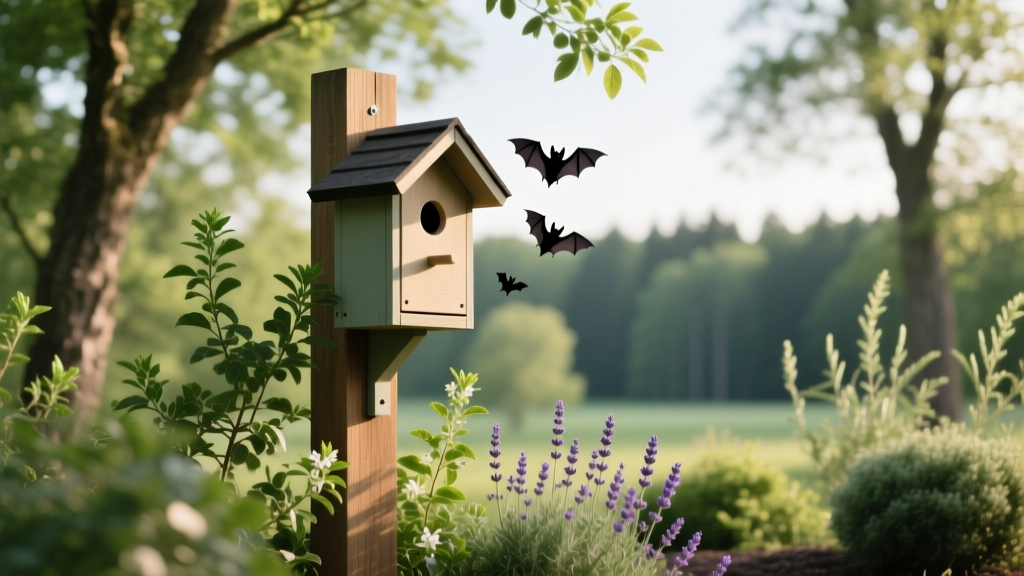
Best Trees for Bat Houses & Mosquito Control 2026
Robert HayesPublished
The Shift Toward Biological Mosquito Control in 2026
As we navigate the 2026 growing season, homeowners and landscapers are increasingly turning away from broad-spectrum chemical pesticides. The fatigue surrounding synthetic treatments has accelerated the adoption of Integrated Pest Management (IPM) strategies, with a heavy emphasis on biological controls. Among the most effective and fascinating of these natural predators is the bat. A single little brown bat can consume up to 1,000 mosquito-sized insects in a single hour, making them an invaluable asset to any organic lawn and garden care regimen.
However, simply purchasing a bat house and nailing it to a random surface is rarely enough to establish a thriving colony. To truly succeed, you must think like an ecologist. This is where the intersection of pest control and tree selection becomes critical. By strategically planting specific tree species near your bat house, you create a microhabitat that attracts the insects bats need to survive while providing the environmental conditions necessary for roosting. In this comprehensive 2026 guide, we will explore the best trees to plant for natural mosquito control and how to properly install your bat house in relation to your landscape.
The Symbiosis of Tree Selection and Bat Roosts
Why does tree selection matter for a bat house? Bats rely on "commuting corridors"—safe, shaded pathways lined with vegetation that allow them to travel between their roosts and foraging grounds. Furthermore, while bats are famous for eating mosquitoes, they also require a diverse diet of moths, beetles, and flying ants to maintain their caloric needs, especially during the breeding season. Certain tree species act as natural insect attractants, drawing the very prey that bats hunt.
Additionally, trees provide vital windbreaks and temperature regulation. A bat house needs to be warm, but the surrounding landscape must offer a balanced ecosystem. According to Bat Conservation International, the success rate of bat house occupation increases significantly when the structure is placed in an area with diverse vegetation and proximity to water sources, which naturally ties into thoughtful tree planting and landscape design.
Top Tree Species to Plant Near Bat Houses
When selecting trees to plant within 20 to 50 feet of your bat house installation, you want species that support a high biomass of nocturnal insects without creating an impenetrable canopy that blocks the bat's flight path. Below is a comparison of the top tree species recommended for 2026 wildlife landscaping.
| Tree Species | Botanical Name | Canopy Type | Primary Insect Draw | Soil Preference |
|---|---|---|---|---|
| White Oak | Quercus alba | Broad, semi-dense | Moths, caterpillars | Well-drained, slightly acidic |
| River Birch | Betula nigra | Open, weeping | Aphids, flying ants | Moist, loamy |
| Pecan | Carya illinoinensis | High, spreading | Beetles, moths | Deep, fertile |
| Sweetgum | Liquidambar styraciflua | Pyramidal, dense | Mosquitoes, gnats | Adaptable, prefers damp |
1. White Oak (Quercus alba)
Oaks are the cornerstone of North American wildlife landscaping. The White Oak supports hundreds of species of caterpillars and moths, which emerge at dusk and serve as a primary food source for foraging bats. Its broad canopy provides an excellent windbreak for a nearby bat house pole, but its branching structure allows enough airspace for bats to swoop and catch prey. Plant White Oaks in well-drained soil, ensuring they receive full sun.
2. River Birch (Betula nigra)
If your property features a low-lying area or a rain garden where mosquitoes tend to breed, the River Birch is an ideal planting choice. It thrives in moist soils and its peeling bark and open canopy harbor aphids and other small insects that attract smaller bat species. The dappled shade it provides helps moderate the microclimate around your bat house without completely shading it from the sun.
3. Pecan (Carya illinoinensis)
Pecan trees grow tall with high, spreading canopies. This is highly beneficial for bat house placement because the lower airspace remains clear for bat flight paths, while the upper canopy hosts a massive array of nocturnal beetles and moths. Pecans require deep, fertile soil and plenty of room to grow, making them best suited for larger properties or estate lawns.
4. Sweetgum (Liquidambar styraciflua)
Sweetgum trees are known for their star-shaped leaves and spiky seed pods, but they are also incredible magnets for insects. The sap and decaying matter around Sweetgums attract gnats and mosquitoes, effectively drawing the pests away from your patio and directly into the foraging zone of your resident bats.
Strategic Placement: The Pole vs. Tree Debate
A common mistake homeowners make is mounting a bat house directly onto the trunk of a mature tree. In 2026, wildlife experts universally advise against this practice for two main reasons. First, tree trunks provide easy access for predators such as raccoons, snakes, and feral cats. Second, the tree canopy often shades the bat house, preventing it from reaching the necessary internal temperature of 85°F to 100°F required for pup rearing.
The gold standard for installation is mounting the bat house on a 15-foot galvanized steel pole, placed 10 to 20 feet away from your newly planted trees. This distance ensures the house receives 6 to 8 hours of direct, unfiltered sunlight (ideally facing south or southeast) while keeping the trees close enough to serve as a protective windbreak and an immediate foraging corridor.
Step-by-Step Bat House and Tree Installation Guide
To integrate your bat house and tree planting strategy effectively, follow these actionable steps:
- Step 1: Site Assessment. Identify a location that receives morning sun and is within 200 feet of a water source (a pond, stream, or even a birdbath). Water is essential because it attracts the mosquitoes that bats eat.
- Step 2: Prepare the Pole Mount. Dig a hole 24 inches deep and set a 15-foot steel pole in quick-setting concrete. Ensure the pole is perfectly plumb. Attach a multi-chambered bat house (minimum 24 inches tall and 16 inches wide) so the bottom of the house is at least 12 feet off the ground.
- Step 3: Plant the Foraging Trees. Plant your selected trees (e.g., River Birch or White Oak) 15 to 30 feet away from the pole. Dig a hole twice as wide as the root ball but no deeper. Backfill with native soil and apply a 2-inch layer of organic mulch, keeping it away from the trunk to prevent rot.
- Step 4: Eliminate Competing Pesticides. Stop using synthetic insecticides in your yard immediately. Broad-spectrum chemicals will kill the insect population your bats rely on and can cause secondary poisoning in the bats themselves.
Completing Your 2026 IPM Strategy
While bats are phenomenal predators, they are just one pillar of a comprehensive pest management plan. The Integrated Pest Management (IPM) principles outlined by the EPA emphasize using a combination of biological, cultural, and mechanical controls. To maximize your mosquito control in 2026, pair your bat house and tree habitat with targeted larvicides like Bti (Bacillus thuringiensis israelensis) in areas of standing water where bats cannot reach.
Furthermore, practice cultural controls by routinely emptying clogged gutters, birdbaths, and plant saucers. By combining the aggressive, airborne hunting of a bat colony with the targeted, ground-level prevention recommended by the EPA Mosquito Control guidelines, you can reclaim your outdoor spaces naturally. Thoughtful tree selection not only elevates the aesthetic value of your landscape but transforms your yard into a functioning, self-regulating ecosystem that keeps pest populations in check year after year.