Pest Control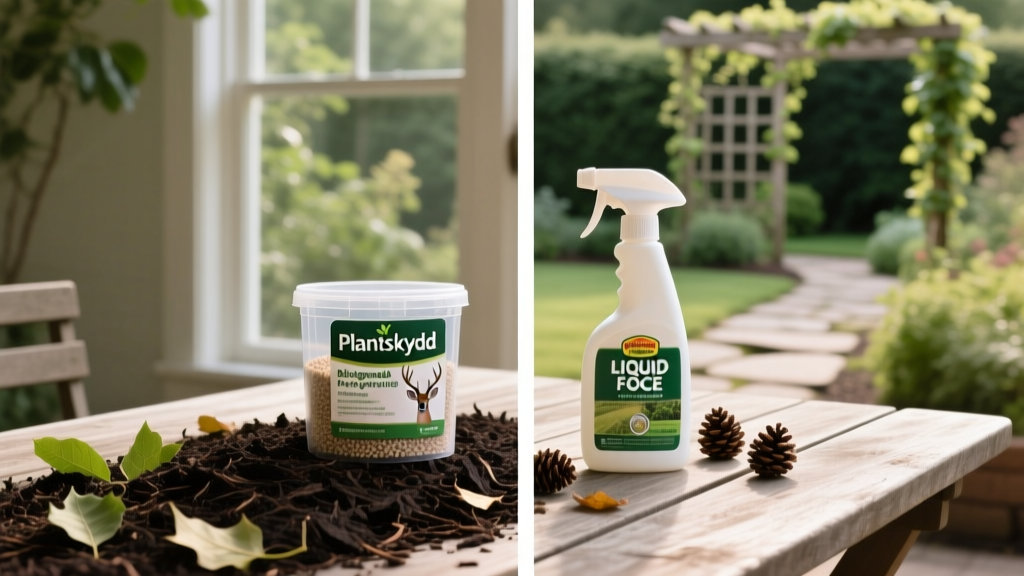
Plantskydd vs Liquid Fence 2026: Deer Repellent & Mulching
Mike RodriguezPublished
Introduction to Deer Pest Control and Mulching in 2026
As we navigate the 2026 growing season, suburban and rural gardeners are facing unprecedented pressure from expanding white-tailed deer populations. Effective pest control in the home landscape requires a robust Integrated Pest Management (IPM) strategy that goes beyond simply spraying a chemical on your prized hostas. One of the most overlooked aspects of a comprehensive deer defense strategy is the intersection of olfactory repellents and your chosen mulching methods and materials. Deer rely heavily on their highly developed sense of smell to locate forage and detect danger. When you apply leading repellents like Plantskydd or Liquid Fence, the ground cover beneath your plants plays a massive role in how those scents are absorbed, reflected, or degraded over time.
In this comprehensive guide, we will break down the effectiveness of Plantskydd versus Liquid Fence for 2026, and more importantly, analyze how different mulching materials—from aromatic cedar to porous hardwood—interact with these treatments to either amplify or diminish their pest control efficacy.
Understanding Deer Olfaction and IPM
According to Penn State Extension, deer possess up to 297 million olfactory receptors, making their sense of smell exponentially more powerful than that of humans. An effective IPM approach leverages this biology by introducing scent-based deterrents that mimic predator urine, decaying organic matter, or blood. However, the environment in which these scents are deployed matters. Mulch is not merely a decorative ground cover or a moisture-retention tool; it is a biological sponge. The porosity, microbial activity, and natural oils of your mulch will directly dictate how long a repellent remains active in your garden beds.
Plantskydd vs. Liquid Fence: The Core Differences
Before integrating these products with your mulching strategy, it is vital to understand their active ingredients and environmental behaviors in 2026 formulations.
Plantskydd: The Blood-Based Powerhouse
Plantskydd relies on dried hemoglobin (blood powder) as its primary active ingredient. It triggers a fear response in deer, signaling the presence of a predator. One of Plantskydd's greatest strengths is its rainfastness. Once the liquid carrier evaporates and the protein binds to the leaf surface, it can withstand heavy spring downpours for up to 3 to 4 months on dormant plants, and 4 to 6 weeks on actively growing foliage. From a soil and mulch perspective, any Plantskydd that washes off the leaves and into the mulch bed acts as a mild, slow-release organic nitrogen fertilizer, enriching the soil biology without risking root burn.
Liquid Fence: The Putrescent Egg and Garlic Blend
Liquid Fence utilizes putrescent egg solids, garlic oil, and capsaicin to create an olfactory and gustatory barrier. Deer find the smell of decaying eggs repulsive, associating it with spoiled food and potential bacterial danger. Liquid Fence is highly effective but generally requires more frequent reapplication than Plantskydd, especially during the rapid vegetative growth of early summer. When Liquid Fence drips onto mulch, the putrescent egg solids become a food source for the bacteria and fungi living in organic mulch layers, which can rapidly break down the repellent's potency at the soil line.
2026 Comparison Chart: Plantskydd vs. Liquid Fence
| Feature | Plantskydd | Liquid Fence |
|---|---|---|
| Active Ingredient | Dried Hemoglobin (Blood) | Putrescent Egg Solids, Garlic |
| Primary Deterrent Mechanism | Fear / Predator Scent | Disgust / Spoiled Food Scent |
| Rainfastness | Excellent (Binds to foliage) | Moderate (Requires frequent re-spraying) |
| Effect on Organic Mulch | Adds nitrogen; slow breakdown | Rapid microbial degradation in rich mulch |
| Avg. 2026 Price (32oz RTU) | $38.00 - $45.00 | $32.00 - $38.00 |
The Mulching Perspective: How Ground Materials Impact Repellents
The true secret to maximizing your pest control budget lies in pairing the right repellent with the right mulching method. Here is how common 2026 mulching materials interact with these two market leaders.
Aromatic Wood Mulches (Cedar and Cypress)
Cedar and cypress mulches are prized for their natural pest-repelling oils (thujone and other terpenes). When using Liquid Fence, the strong, sharp aroma of fresh cedar can actually help mask the initial, overly pungent odor of the putrescent eggs, making the application more pleasant for homeowners while still maintaining a complex, confusing scent profile for deer. However, if you are using Plantskydd, be aware that the natural fungicidal properties of cedar mulch may slow the breakdown of the hemoglobin protein if it washes into the bed, keeping the predator scent active at the ground level for a longer period, which is excellent for deterring ground-level browsing on low-lying perennials.
Organic Compost, Leaf Mold, and Hardwood Bark
These mulching materials are teeming with microbial life. They are fantastic for soil health but can be detrimental to certain repellent strategies. If you spray Liquid Fence heavily over a bed mulched with rich leaf mold or compost, the aggressive bacteria will consume the putrescent egg solids within a matter of days, effectively neutralizing your ground-level scent barrier. Conversely, Plantskydd thrives in this environment. The hemoglobin will be broken down by soil microbes into usable nitrogen, feeding your plants while providing a steady, low-level predator scent that keeps deer cautious.
Pine Straw and Inorganic Stone Mulch
Pine straw and river rock are relatively inert compared to shredded hardwood. Because they lack dense microbial networks, any repellent that drips onto these materials will remain on the surface. In rock gardens or xeriscapes utilizing stone mulch, Liquid Fence will linger on the rocks, reactivating its scent every time the morning dew hits it. For pine straw beds, applying granular versions of these repellents along the perimeter of the mulch line creates an excellent physical and olfactory fence that deer are reluctant to cross.
Strategic Application: Combining Mulch and Repellents
To achieve the highest level of deer resistance in 2026, follow this IPM mulching and spraying protocol:
- Step 1: The Perimeter Granular Barrier. Before laying new mulch, apply a granular deer repellent (either blood-based or garlic-based) directly to the soil at the outermost edge of your garden bed. This creates a foundational scent wall.
- Step 2: Lay an Aromatic Mulch. Apply a 2-to-3-inch layer of cedar or pine bark mulch over the bed. The natural oils will compound the sensory overload for approaching deer, supporting the Rutgers University NJAES recommendations for multi-sensory deterrents.
- Step 3: Targeted Foliar Spraying. Spray Liquid Fence or Plantskydd strictly on the foliage of the plants, avoiding the mulch bed as much as possible. This prevents the active ingredients from being immediately absorbed by the organic matter or washed away by soil-dwelling fungi.
- Step 4: Rotate Active Ingredients. Deer are highly adaptable. If you use Plantskydd in the spring, switch to Liquid Fence in the late summer. The contrasting scents, combined with the shifting aromas of your aging mulch, will prevent deer from habituating to your garden's specific odor profile.
Conclusion and Authoritative Resources
Winning the battle against deer in 2026 requires looking at your garden as a holistic ecosystem. Plantskydd offers unparalleled rainfastness and soil-enriching benefits that pair beautifully with high-microbial hardwood mulches. Liquid Fence provides an aggressive, disgust-based barrier that works exceptionally well when kept on the foliage above inert mulches like stone or pine straw. By aligning your mulching materials with the biological breakdown rates of your chosen repellent, you can reduce your application frequency, save money, and protect your landscape more effectively.
For further reading on creating a deer-resistant landscape and managing wildlife damage through cultural practices like mulching and plant selection, consult the University of Maryland Extension and your local county extension office for region-specific IPM guidelines.