Pest Control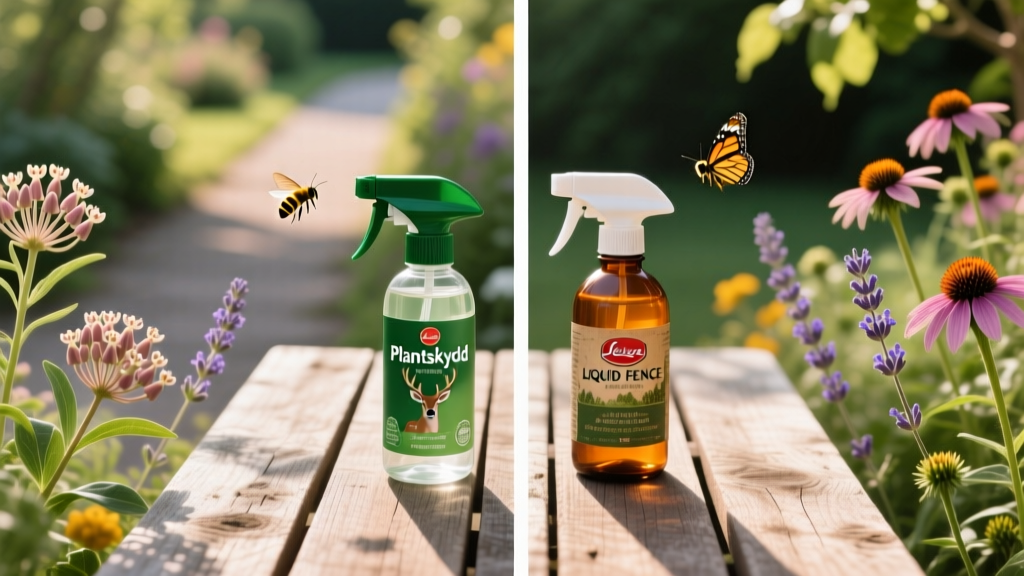
Plantskydd vs Liquid Fence 2026: Best Deer Repellent for Pollinators
Robert HayesPublished
The Challenge of Protecting Pollinator Gardens in 2026
As we navigate the 2026 growing season, the commitment to pollinator-friendly garden design has never been more critical. With native bee populations and monarch butterfly migration routes facing ongoing environmental pressures, homeowners and landscapers are prioritizing the cultivation of essential host and nectar plants. However, creating a thriving habitat for pollinators often means planting species that are equally attractive to local deer populations. Tender new shoots of milkweed (Asclepias), coneflower (Echinacea), and bee balm (Monarda) can be decimated overnight by foraging deer.
The dilemma for eco-conscious gardeners is finding a pest control solution that effectively deters mammalian herbivores without introducing synthetic neurotoxins, systemic pesticides, or broad-spectrum chemicals into the garden ecosystem. Integrated Pest Management (IPM) principles dictate that we use the most targeted, least toxic methods available. This brings us to the two most prominent natural deer repellents on the market: Plantskydd and Liquid Fence. Both rely on organic, naturally derived ingredients to create an invisible barrier of odor and taste, but their formulations, rainfastness, and secondary impacts on garden ecology differ significantly.
In this comprehensive 2026 guide, we will compare Plantskydd and Liquid Fence head-to-head, analyzing their effectiveness against deer and, crucially, their safety profile for the bees, butterflies, and beneficial insects that form the backbone of a sustainable garden.
Understanding the Active Ingredients
Plantskydd: The Fear Response Trigger
Plantskydd is uniquely formulated using dried animal blood (specifically, hemoglobin) as its primary active ingredient. Originally developed in Sweden to protect commercial forestry from moose and deer, its mode of action relies on triggering a primal fear response in herbivores. When a deer approaches a treated plant, the scent of dried blood mimics the presence of a predator. According to research highlighted by the Penn State Extension, repellents that leverage predator scents or fear-based aversion tend to be highly effective because the animal avoids the area entirely before taking a test bite.
Because it is essentially a concentrated, processed blood meal, Plantskydd also provides a mild nitrogen boost to the soil as it degrades, which can be beneficial for the vigorous growth required by heavy-feeding pollinator plants like Joe-Pye weed and goldenrod.
Liquid Fence: The Taste and Odor Barrier
Liquid Fence, on the other hand, utilizes putrescent whole egg solids combined with garlic and rosemary oils. This formulation works on a dual level: first, the potent, decaying odor signals to deer that the plant is spoiled or diseased; second, if the deer decides to take a tentative bite, the foul taste and the lingering capsaicin-like burn from the garlic oils reinforce the aversion. While highly effective, taste-based repellents require the animal to sample the plant, which can sometimes result in minor cosmetic damage to the foliage before the deer retreats.
Head-to-Head Effectiveness and Rainfastness
One of the most significant variables in deer repellent efficacy is weather resistance. The 2026 climate patterns across much of North America have featured unpredictable, heavy spring downpours followed by intense summer heat. A repellent that washes off after a single rainstorm requires constant reapplication, increasing both the cost and the labor for the gardener.
Plantskydd is widely regarded as the superior choice for rainfastness. Once the liquid formulation dries on the leaf surface, it binds to the plant tissue and can withstand up to 2.5 inches of rainfall without requiring reapplication. In typical growing conditions, a single application can protect new growth for up to three months during the dormant season and four to six weeks during the rapid vegetative growth of spring and early summer.
Liquid Fence is effective but generally requires more frequent reapplication. While it does contain natural sticking agents, heavy rains will degrade the putrescent egg and garlic barrier faster than the blood-based binder in Plantskydd. Gardeners using Liquid Fence should plan to reapply every three to four weeks during active growing seasons, or immediately after significant rainfall events.
Pollinator Safety: What the Science Says
When designing a pollinator-friendly garden, the primary concern is avoiding contact toxicity and systemic absorption that could harm foraging bees, caterpillars, and adult butterflies. Neither Plantskydd nor Liquid Fence contains synthetic insecticides, neonicotinoids, or pyrethroids. Therefore, they are inherently safer for invertebrates than conventional chemical pesticides.
However, 'natural' does not automatically mean 'impact-free.' The Xerces Society for Invertebrate Conservation emphasizes that even organic sprays can pose physical risks to pollinators if applied incorrectly. Spraying any thick liquid coating directly onto open flower blooms can physically block the nectaries, deter pollinators from landing due to the strong odors, or trap small beneficial insects like parasitic wasps and ladybugs in a sticky residue.
Plantskydd and Pollinators: The iron-rich blood meal in Plantskydd is an organic substance that breaks down naturally in the soil. It does not repel insects. In fact, some beneficial predatory insects are entirely unaffected by it. The main precaution is to avoid spraying the deep, tubular flowers of bee balm or penstemon, as the dark residue can stain the petals and physically obstruct nectar access for long-tongued bumblebees and hummingbirds.
Liquid Fence and Pollinators: The essential oils (garlic and rosemary) in Liquid Fence possess mild insect-repelling properties. While they will not kill a honeybee or a monarch caterpillar, the strong aromatic oils can temporarily confuse the olfactory sensors that pollinators use to locate nectar-rich blooms. If applied directly to open flowers, Liquid Fence can effectively mask the floral scents that attract native bees, leading to reduced pollination rates for your fruiting plants and seed-producing wildflowers.
2026 Comparison Chart: Plantskydd vs. Liquid Fence
| Feature | Plantskydd | Liquid Fence |
|---|---|---|
| Primary Active Ingredient | Dried Animal Blood (Hemoglobin) | Putrescent Egg Solids, Garlic Oil |
| Mode of Action | Fear response (predator scent) | Taste and odor aversion |
| Rainfastness | Excellent (up to 2.5 inches of rain) | Moderate (washes off in heavy rain) |
| Reapplication Frequency | Every 4-6 weeks (growing season) | Every 3-4 weeks (growing season) |
| Impact on Pollinators | Safe if kept off open blooms; no olfactory masking | Safe from toxicity, but strong oils may mask floral scents |
| Odor to Humans | Faint metallic/earthy scent, dissipates quickly | Strong sulfur/garlic odor, lingers for days |
| Estimated 2026 Cost (Per Gallon) | ~$45.00 | ~$35.00 |
Best Application Practices for Pollinator Habitats
To maximize deer deterrence while maintaining a pristine, welcoming environment for pollinators, gardeners must employ strategic application techniques. The Rutgers New Jersey Agricultural Experiment Station notes that deer feeding habits change with the seasons, meaning your repellent strategy must adapt accordingly.
1. Target the Foliage, Spare the Blooms
When treating flowering perennials like black-eyed Susans or swamp milkweed, adjust your sprayer nozzle to a targeted stream rather than a fine mist. Apply the repellent generously to the stems and the undersides of the leaves, but stop spraying before the flower heads open. Deer typically browse the tender leaves and stems first; protecting the vegetative growth is usually sufficient to deter them without compromising the floral display or pollinator access.
2. Time Your Applications for Beneficial Insect Safety
Even though these products are non-toxic to bees, it is a best practice in IPM to apply any foliar spray during the early morning or late evening. During these windows, native bees, butterflies, and moths are largely inactive or roosting. Spraying at dusk ensures the product has ample time to dry and bind to the leaf surface before the morning foraging rush begins, minimizing any physical disruption to the garden's ecosystem.
3. Rotate Repellents to Prevent Habituation
Deer are highly adaptable creatures. If they realize that the scent of dried blood or putrescent eggs does not result in an actual threat, they may eventually push through the odor barrier, especially during late winter or drought periods when food is scarce. For the most robust 2026 pest control strategy, consider rotating between Plantskydd and Liquid Fence every other application. This keeps the deer guessing and prevents them from habituating to a single sensory cue.
4. Protect Monarch Host Plants Early
Milkweed is the sole host plant for monarch butterfly caterpillars. While mature milkweed contains toxic cardenolides that naturally deter most herbivores, young, tender milkweed shoots in the spring are highly vulnerable to deer browsing. Apply a heavy coat of Plantskydd to emerging milkweed shoots as soon as they break the soil line. Because Plantskydd is highly rainfast and does not contain essential oils that might deter adult female monarchs from landing to lay their eggs, it is the superior choice for protecting this critical host plant during its most vulnerable growth stage.
Conclusion: Which Should You Choose in 2026?
The choice between Plantskydd and Liquid Fence ultimately depends on your specific garden layout, local climate, and the density of your pollinator plantings. If you live in an area with heavy spring rains and prioritize a product that requires less frequent reapplication and lacks the strong essential oils that might confuse foraging bees, Plantskydd is the premier choice for 2026. Its fear-based deterrence keeps deer out of the garden entirely, preventing them from even sampling your prized echinacea and asters.
Conversely, if you are managing a smaller, enclosed suburban garden where the initial cost is a primary concern, and you don't mind reapplying a garlic-based spray every few weeks, Liquid Fence remains a highly effective, pollinator-safe alternative—provided you are meticulous about keeping the spray off open flower blooms.
By integrating these natural mammalian repellents into your broader garden design, you can successfully defend your landscape against deer browsing while preserving the delicate, vital relationships between your native plants and the pollinators that sustain them. A truly successful pollinator garden is one that balances robust pest management with an unwavering commitment to ecological harmony.