
Landscaping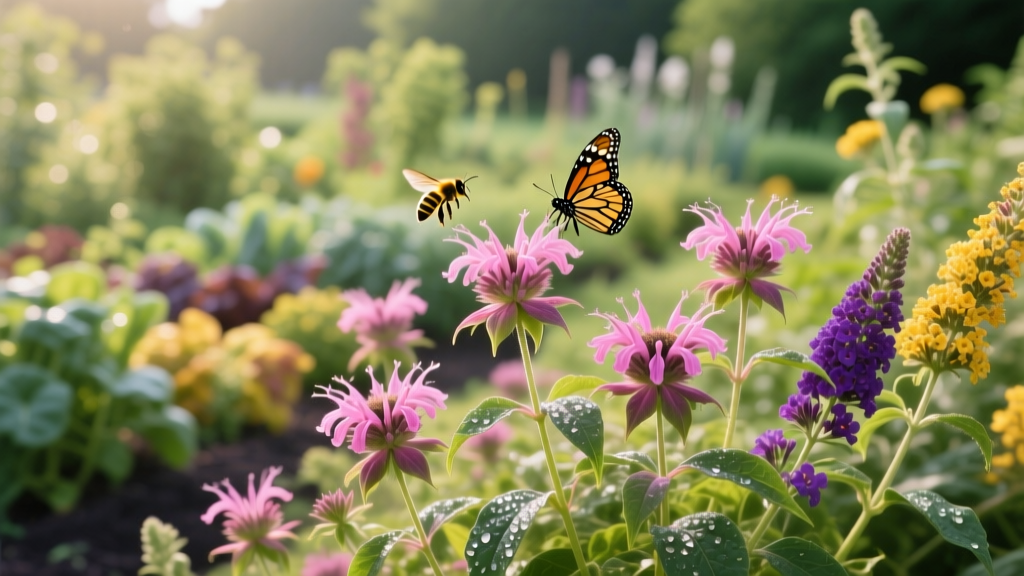
2026 Pollinator Foodscape Design: Bee Balm and Butterfly Bush Guide
David ParkPublished
The Rise of the Pollinator Foodscape in 2026
Foodscaping is no longer just about hiding vegetable patches behind ornamental hedges; it is about creating a cohesive, symbiotic ecosystem right in your backyard. In 2026, the most successful edible landscapes are those that prioritize pollinator health alongside human harvests. With native bee populations facing ongoing habitat pressures, integrating high-nectar ornamentals like bee balm (Monarda) and butterfly bush (Buddleja) directly into your foodscape is a highly strategic move. These plants act as powerful pollinator magnets, drawing beneficial insects into your garden, which in turn significantly increases the fruit set, size, and overall yield of crops like squash, cucumbers, and fruit trees.
According to the United States Department of Agriculture (USDA), pollinators are responsible for one out of every three bites of food we eat. When you plant a dedicated pollinator border adjacent to your edible beds, you are essentially hiring a free, highly efficient agricultural workforce. Bee balm, a native North American wildflower, produces tubular flowers perfectly shaped for long-tongued bees and hummingbirds. Butterfly bush produces massive panicles of nectar-rich blooms that attract a staggering diversity of butterflies and generalist bees, ensuring your edible crops receive the cross-pollination they require to thrive.
The 2026 Cultivar Guide: Sterile and Native Selections
Historically, standard Buddleja davidii was a staple in butterfly gardens. However, due to its aggressive seeding habits, it has been classified as invasive in several regions. As of 2026, responsible foodscapers and landscapers strictly utilize sterile, non-invasive cultivars. The Xerces Society for Invertebrate Conservation heavily advocates for the use of sterile hybrids or native alternatives to protect local ecosystems while still reaping the immense pollinator benefits. Fortunately, modern horticulture has delivered exceptional sterile butterfly bushes that bloom continuously without dropping viable seeds.
Below is a comparison chart of the top recommended cultivars for integrating into an edible landscape this year:
| Cultivar | Species | Mature Size | Bloom Color | Sterile? | Ideal Foodscape Companion |
|---|---|---|---|---|---|
| Sugar Buzz Blue Moon | Monarda didyma | 18-24 in. H | Lavender-Blue | N/A (Native) | Tomatoes & Peppers |
| Jacob Cline | Monarda didyma | 3-4 ft. H | Crimson Red | N/A (Native) | Fruit Trees & Berry Bushes |
| Miss Violet | Buddleja hybrid | 4-5 ft. H | Violet-Purple | Yes | Squash, Melons & Cucumbers |
| Blue Chip | Buddleja hybrid | 2-3 ft. H | Lavender-Blue | Yes | Raised Bed Borders & Herbs |
Designing the Layout: Integrating Ornamentals with Edibles
Proper spatial design is critical when mixing vigorous ornamentals with sun-hungry vegetable crops. Both bee balm and butterfly bush require full sun (at least 6 to 8 hours of direct sunlight daily) to produce maximum nectar. If planted too closely to your edible beds, they can cast shade and compete for soil nutrients.
The Perimeter and Flight Path Strategy
In 2026, the most effective foodscape designs utilize the "perimeter and flight path" strategy. Plant taller varieties, such as 'Jacob Cline' bee balm or 'Miss Violet' butterfly bush, on the north or west-facing borders of your vegetable garden. This ensures they receive full sun without shading your crops. Furthermore, pollinators typically forage in linear patterns. By creating a continuous border of these nectar-rich plants leading toward your edible crops, you create a biological flight path that naturally guides bees directly to your squash blossoms and fruit tree canopies.
Interplanting Dwarf Varieties
For smaller spaces or raised bed configurations, dwarf sterile butterfly bushes like 'Blue Chip' are invaluable. Growing only 2 to 3 feet tall and wide, they can be planted at the corners of raised beds or along walkways. Their compact root systems will not compete heavily with shallow-rooted vegetables, and their continuous summer bloom cycle ensures a steady presence of pollinators right at the soil level where crops like bush beans and strawberries reside.
Planting Instructions and Soil Preparation
While both plants are relatively low-maintenance once established, their initial soil requirements differ slightly, which is an important consideration when designing your foodscape zones.
- Bee Balm (Monarda): Prefers rich, moist, well-draining soil with a slightly acidic to neutral pH (6.0 to 7.0). Before planting, amend your native soil with 2 to 3 inches of high-quality organic compost. Bee balm is a heavy feeder and benefits from the same fertile soil conditions as your tomatoes and brassicas.
- Butterfly Bush (Buddleja): Thrives in leaner, drier, and exceptionally well-draining soils. Avoid heavy clay or waterlogged areas, as 'wet feet' will quickly cause root rot. Do not over-amend the soil with rich compost; a standard topsoil mix is usually sufficient. This makes them perfect for the drier, less-maintained edges of your property.
Planting Steps: Dig a hole twice as wide and exactly as deep as the nursery pot. Gently tease the roots outward to prevent girdling. Backfill with native soil, water deeply to eliminate air pockets, and apply a 2-inch layer of organic arborist wood chips around the base, keeping the mulch a few inches away from the main stem to prevent crown rot. In 2026, expect to pay between $14 and $18 for a 1-gallon bee balm, and $22 to $28 for a 2-gallon sterile butterfly bush at most premium garden centers.
Maintenance: Pruning, Deadheading, and Pest Management
To keep your pollinator workforce active from early summer through the first frost, rigorous maintenance is required. Both plants rely on deadheading to maintain their nectar production.
Deadheading for Continuous Bloom
For bee balm, snip off spent flower heads just above the next set of healthy leaves. This not only keeps the plant looking tidy but also encourages a secondary, albeit smaller, flush of blooms in late summer. More importantly, removing spent blooms improves air circulation, which is vital for preventing powdery mildew—a common fungal issue with Monarda.
Even though modern sterile butterfly bushes do not produce viable seeds, deadheading the spent panicles down to the next set of lateral buds signals the plant to produce more flowers rather than wasting energy on seed pod development. During the peak of July and August, you may need to deadhead your butterfly bush weekly to maintain a massive display.
Spring Pruning and Overwintering
Butterfly bushes are woody perennials that benefit from hard pruning. In early spring, once you see new buds swelling at the base, cut the entire plant back to about 12 to 18 inches above the ground. This promotes vigorous new growth and larger flower panicles. Bee balm, being an herbaceous perennial, will die back to the ground completely. Leave the dead stems standing through the winter to provide overwintering habitat for native solitary bees, then cut them to the ground in early spring.
Strict Pesticide Protocols in the Foodscape
The golden rule of the 2026 pollinator foodscape is absolute zero tolerance for systemic pesticides. Never use neonicotinoids or broad-spectrum insecticides on your ornamentals or your edibles. Killing the very insects you are trying to attract defeats the entire purpose of the design. If pest pressure (like aphids on your edible crops) becomes severe, use targeted applications of insecticidal soap or neem oil, but only apply them in the late evening when pollinators have returned to their nests, and avoid spraying the bee balm and butterfly bush entirely.
Best Edible Companions for Your Pollinator Border
Understanding the specific pollination mechanics of your edible crops will help you maximize the benefits of your new ornamental border.
- Tomatoes and Peppers: While these crops are largely self-pollinating, they benefit immensely from "buzz pollination" performed by native bumblebees. The bumblebee grabs the tomato flower and vibrates its flight muscles, shaking the pollen loose. Bee balm is a premier attractant for bumblebees, directly leading to larger, more uniformly shaped tomatoes.
- Cucurbits (Squash, Zucchini, Pumpkins, Melons): These plants have separate male and female flowers and require heavy insect intervention to move large, sticky pollen grains. The generalist bees and butterflies attracted to the massive panicles of the butterfly bush will readily move between your ornamental border and your sprawling squash vines, drastically reducing the number of misshapen or aborted fruits.
- Fruit Trees and Berry Bushes: Early spring bloomers like apples, cherries, and blueberries require a resident population of pollinators. By planting tall, native bee balm near your orchard zone, you provide a reliable late-summer food source that encourages pollinator colonies to establish permanent nests nearby, ensuring they are present and ready when your fruit trees bloom the following spring.
By thoughtfully integrating sterile butterfly bushes and native bee balm into your edible landscape, you transform your garden from a simple food production area into a thriving, biodiverse ecosystem. The result in 2026 and beyond will be a more resilient garden, heavier harvests, and a vibrant outdoor space teeming with life.

