
Landscaping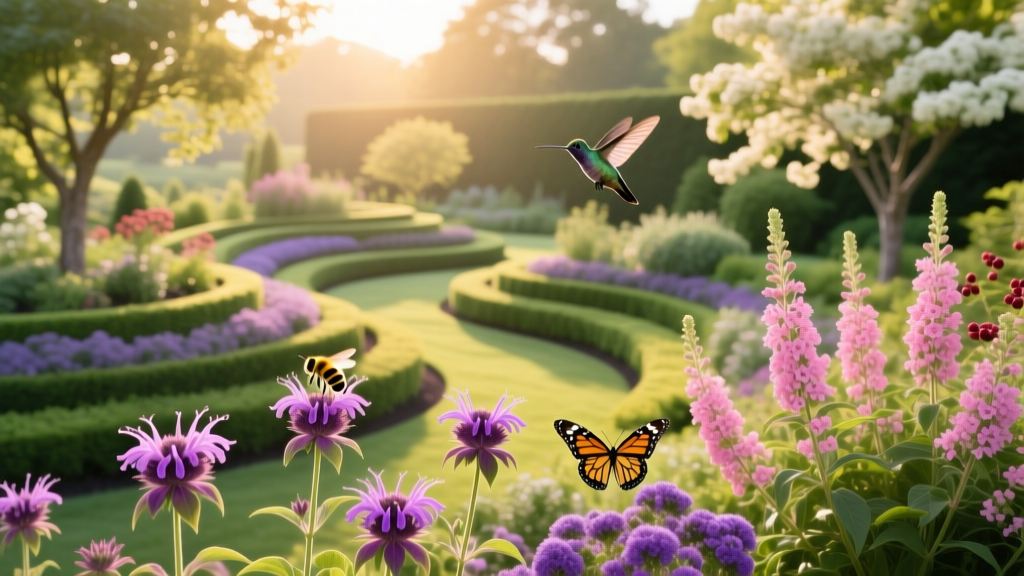
2026 Pollinator Garden Guide: Bee Balm and Butterfly Bush
James MillerPublished
The 2026 Approach to Multi-Tiered Pollinator Landscaping
As we navigate the shifting climate patterns and ecological priorities of 2026, sustainable landscaping has evolved far beyond simply placing a few colorful flowers in a garden bed. Today, the most effective pollinator gardens mimic natural ecosystems by utilizing a multi-tiered approach. This means combining deep-rooted canopy trees with mid-story shrubs and herbaceous understory perennials. By integrating foundational tree selection with high-impact nectar producers like bee balm and butterfly bush, homeowners can create a resilient, self-sustaining habitat that supports bees, butterflies, and hummingbirds throughout the entire growing season.
According to The Xerces Society for Invertebrate Conservation, habitat fragmentation remains a leading threat to pollinator populations. Designing a layered garden guild not only maximizes the nectar and pollen available but also provides essential shelter, windbreaks, and overwintering sites. In this comprehensive planting guide, we will explore how to select the right companion trees and properly plant bee balm and butterfly bush to create a thriving, visually stunning pollinator sanctuary in your own backyard.
Tree Selection: Anchoring the Pollinator Guild
Before breaking ground on your bee balm and butterfly bush, you must establish the canopy. Selecting the right trees is a critical step in garden design, as the overstory dictates the light levels, soil moisture, and microclimate for the plants below. For a pollinator garden, you want trees that offer early-season nectar, possess non-invasive root systems, and provide dappled shade to protect sensitive perennials from extreme mid-summer heat waves.
Top Companion Trees for 2026 Pollinator Beds
- Eastern Redbud (Cercis canadensis): Blooming in early spring before the understory perennials fully emerge, the Redbud provides a crucial early nectar source for emerging native bees. Its heart-shaped leaves create a light, dappled shade that is perfect for the plants below.
- Serviceberry (Amelanchier arborea): This multi-stemmed tree offers beautiful white spring blossoms that attract early pollinators, followed by summer berries that feed local bird populations. Its relatively open canopy allows plenty of sunlight to reach your butterfly bushes.
- American Basswood (Tilia americana): Known as a 'bee tree,' the Basswood produces incredibly fragrant, pale yellow flowers in early summer. It is a powerhouse for nectar production and serves as a magnificent backdrop for a large-scale pollinator meadow.
When planting these trees, ensure they are positioned on the north or west side of your garden bed. This orientation ensures that your sun-loving bee balm and butterfly bush receive the required six to eight hours of direct morning and early afternoon sunlight, while being shielded from the harshest late-afternoon rays.
Planting Guide: Bee Balm (Monarda)
Bee balm is a native North American perennial that acts as the foundational anchor for the herbaceous layer of your pollinator garden. Its tubular flowers are perfectly adapted for the long beaks of hummingbirds and the specialized tongues of native bumblebees. In 2026, nursery stock has heavily favored powdery mildew-resistant cultivars, which is essential for maintaining plant health in humid summer conditions without resorting to chemical fungicides that can harm the very pollinators you are trying to attract.
Recommended Cultivars
- 'Jacob Cline': A towering, vibrant red cultivar that is highly resistant to mildew and acts as a major hummingbird magnet.
- 'Purple Rooster': Features deep purple blooms and stiff, dark stems. It is widely considered one of the most disease-resistant varieties on the market.
- 'Claire Grace': A softer lavender option that performs exceptionally well in slightly drier soil conditions.
Bee balm spreads via underground rhizomes, forming dense colonies over time. When planting, space individual transplants 18 to 24 inches apart to ensure adequate air circulation, which is the best natural defense against fungal diseases. Plant them at the exact same depth they were growing in their nursery pots, ensuring the crown is level with the soil surface.
Planting Guide: Butterfly Bush (Buddleja)
The butterfly bush is legendary for its ability to draw in dozens of butterfly species simultaneously, acting as a mid-story nectar hub between your canopy trees and the low-growing bee balm. However, landscaping practices have shifted dramatically in recent years. Traditional Buddleja davidii varieties are now classified as invasive in many regions due to their aggressive seeding habits.
For your 2026 garden design, it is imperative to select sterile or low-fertility cultivars. These modern hybrids provide all the nectar and visual appeal without the ecological risk of escaping into local woodlands. The National Wildlife Federation's Garden for Wildlife program strongly recommends using sterile nativars and non-invasive alternatives to protect local biodiversity.
Top Sterile Butterfly Bush Varieties
- 'Blue Chip Jr.': A compact, dwarf variety that stays under three feet tall, making it perfect for the middle border of a garden bed. It produces continuous, sterile blue spikes all summer.
- 'Miss Violet': Reaching about four to five feet, this variety offers stunning purple-pink blooms and sets virtually no viable seed.
- 'Flutterby Petite Tutti Frutti': A fuchsia-pink option that stays incredibly compact and blooms relentlessly until the first frost.
Butterfly bushes require exceptional drainage. If your soil is heavy clay, plant the root ball slightly elevated—about one inch above the surrounding soil grade—and mound compost around the base to prevent crown rot during wet winter months.
Garden Layout and Spacing Chart
Proper spacing is vital to prevent overcrowding, reduce disease pressure, and allow pollinators easy flight paths between blooms. Use the following chart to plan your 2026 garden layout:
| Plant Layer | Species / Cultivar | Mature Height | Spacing Requirement | Sun Exposure |
|---|---|---|---|---|
| Canopy | Eastern Redbud | 20 - 30 ft | 15 ft from understory | Full to Part Sun |
| Mid-Story | 'Miss Violet' Butterfly Bush | 4 - 5 ft | 5 - 6 ft apart | Full Sun |
| Understory | 'Purple Rooster' Bee Balm | 3 - 4 ft | 18 - 24 inches apart | Full to Part Sun |
| Groundcover | Creeping Thyme | 2 - 4 inches | 12 inches apart | Full Sun |
Step-by-Step Soil Preparation and Planting
A successful pollinator garden starts from the ground up. Follow these actionable steps to prepare your site and plant your selected trees, shrubs, and perennials.
Step 1: Soil Testing and Amendment
Begin by conducting a comprehensive soil test. Pollinator plants generally prefer a slightly acidic to neutral pH (6.0 to 7.0). Avoid synthetic, high-nitrogen fertilizers, as these promote excessive leafy growth at the expense of flower production and can runoff into local waterways. Instead, amend the native soil with a two-inch layer of organic leaf compost to improve soil structure, water retention, and microbial life.
Step 2: Digging the Planting Holes
For your companion trees, dig a hole that is twice as wide as the root ball but no deeper. The root flare (where the trunk widens at the base) must sit slightly above the soil line. For the butterfly bush and bee balm, dig holes just deep enough to accommodate the root ball without burying the crown. Rough up the sides of the planting holes with a garden fork to encourage roots to penetrate the native soil.
Step 3: Planting and Backfilling
Gently loosen any circling roots on nursery stock before placing them in the ground. Backfill with the native soil and compost mixture, tamping down lightly with your hands to eliminate large air pockets. Water deeply immediately after planting to settle the soil around the roots.
Step 4: Mulching for Moisture Retention
Apply a two-to-three-inch layer of shredded hardwood bark or arborist wood chips around the base of the trees and perennials. Keep the mulch a few inches away from the tree trunks and plant crowns to prevent rot. This mulch layer is critical for regulating soil temperature and retaining moisture during the increasingly dry summer spells characteristic of 2026 weather patterns.
Long-Term Maintenance for Maximum Blooms
Once established, your multi-tiered pollinator garden will require minimal intervention, but a few strategic maintenance tasks will ensure peak performance.
- Deadheading: Regularly snip off spent butterfly bush blooms just above a set of healthy leaves. This tricks the plant into producing a new flush of flowers rather than expending energy on seed production (even on sterile varieties, deadheading improves aesthetics and bloom density).
- Watering: While bee balm and butterfly bush are relatively drought-tolerant once established, they will drop their lower leaves and cease blooming if subjected to severe water stress. Provide one inch of water per week during prolonged dry spells, utilizing a soaker hose or drip irrigation to keep foliage dry and prevent fungal issues.
- Winter Prep: Delay cutting back the dead stems of your bee balm and butterfly bush until early spring. As highlighted by Cornell University's Pollinator Network, hollow stems and seed heads provide essential overwintering habitat for native solitary bees and shelter for beneficial insects. Wait until daytime temperatures consistently reach 50°F in the spring before clearing away the previous year's growth.
By thoughtfully selecting companion trees and carefully planting disease-resistant bee balm and sterile butterfly bushes, you are doing more than just improving your curb appeal. You are actively participating in the vital ecological restoration of your local environment, creating a vibrant, buzzing sanctuary that will thrive for years to come.

