
Landscaping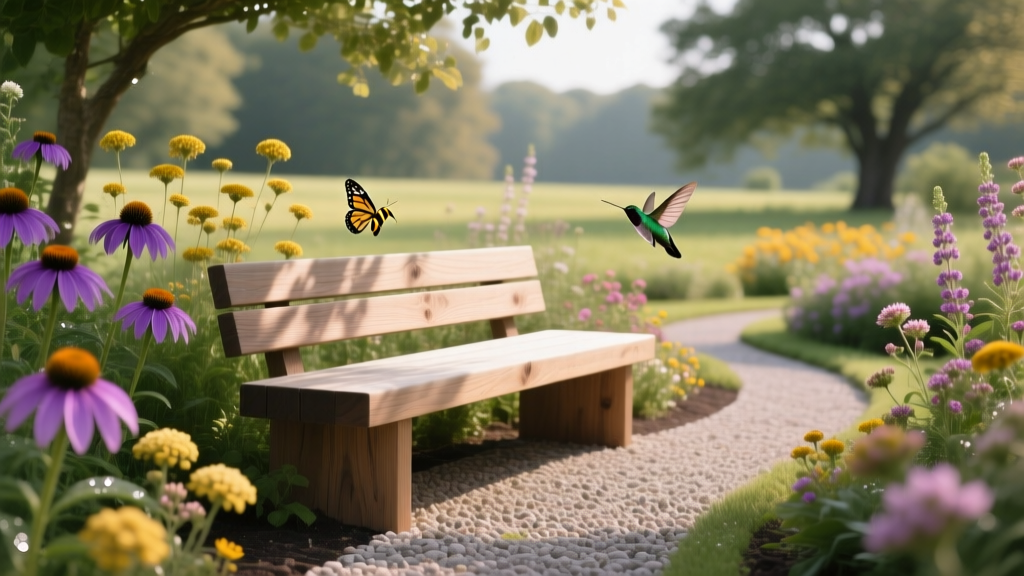
2026 Guide: Garden Bench Placement for Pollinator Shade
Mike RodriguezPublished
In 2026, landscape design has fully embraced the dual mandate of human comfort and ecological stewardship. Creating a pollinator-friendly garden no longer means sacrificing structured hardscaping or elegant focal points. In fact, the strategic placement of a garden bench can serve as both a stunning visual anchor and a vital component of a thriving pollinator habitat. When you design your outdoor living space with intention, your seating area becomes a front-row ticket to the bustling ecosystem of native bees, butterflies, and hummingbirds. This comprehensive guide explores how to position your garden bench for optimal shade and focal impact while actively supporting local pollinator populations.
The Intersection of Hardscaping and Pollinator Health
A focal point draws the eye and gives a garden its sense of purpose. A well-placed bench invites visitors to pause, reflect, and observe. However, in a pollinator-friendly landscape, hardscaping elements must be integrated thoughtfully to avoid disrupting vital flight paths or destroying nesting habitats. Pollinators require a mosaic of sun and shade. While bees and butterflies need direct sunlight to warm their flight muscles and forage on nectar-rich blooms, they also require cool, shaded retreats to avoid overheating during the peak heat of summer afternoons. By positioning your bench beneath a carefully selected shade tree, you provide a comfortable microclimate for yourself while simultaneously offering a crucial thermal refuge for foraging insects.
According to the Xerces Society for Invertebrate Conservation, structural diversity in the garden is key to supporting a wide array of wildlife. A bench situated near layered plantings creates a transition zone that benefits both human observers and the insects they wish to observe.
Choosing the Right Shade Trees for Bench Placement
The tree you choose to shade your bench will dictate the ecological value of your seating area. Avoid sterile, ornamental cultivars that offer no nectar or pollen. Instead, select native trees that provide dappled shade—allowing enough sunlight to reach the understory plants while keeping the bench cool. Here is a comparison of top-tier shade trees for pollinator garden focal points in 2026:
| Tree Species | Canopy Spread | Bloom Season | Pollinator Benefits | Shade Density |
|---|---|---|---|---|
| American Basswood (Tilia americana) | 35-50 ft | Early Summer | Highly attractive to native bees; produces abundant, fragrant nectar. | Dense |
| Eastern Redbud (Cercis canadensis) | 15-25 ft | Early Spring | Crucial early-season pollen source for emerging queen bumblebees. | Light/Dappled |
| Serviceberry (Amelanchier arborea) | 15-20 ft | Spring | Supports native bees and provides summer berries for local birds. | Light/Dappled |
| Northern Catalpa (Catalpa speciosa) | 20-40 ft | Late Spring | Large, showy flowers attract long-tongued bees and hummingbirds. | Moderate |
Planting your chosen tree roughly 10 to 15 feet away from the bench ensures that the root system does not upheave your hardscaping, while the mature canopy will perfectly shade the seating area during the high sun of mid-summer.
Strategic Bench Placement for Observation and Habitat
Where you place the bench is just as critical as the tree shading it. To maximize your viewing experience and minimize ecological disruption, follow these spatial guidelines:
1. Respect the Flight Path
Do not place your bench directly in the middle of a dense pollinator border. Bees and butterflies establish predictable foraging routes. If your bench interrupts this path, human activity will constantly startle the insects, reducing their foraging efficiency. Position the bench parallel to the main pollinator border, set back at least 5 to 8 feet. This creates a clear stage of blooms in front of you, allowing unobstructed viewing and photography without casting disruptive shadows over the flowers.
2. Orientation and Sun Angles
Face the bench toward the south or southeast. This ensures that the pollinator border in front of you receives maximum morning and midday sun, keeping the flowers warm and the nectar flowing. Meanwhile, the bench itself remains shaded by the tree canopy situated behind or slightly above it. This orientation prevents you from staring directly into the harsh afternoon glare while watching the garden.
3. Proximity to Water Sources
Pollinators need water, but they cannot land in deep birdbaths without risking drowning. The National Wildlife Federation advocates for shallow puddling stations. Place a shallow saucer filled with pebbles and water near the bench's edge. This provides a safe hydration station for butterflies and bees, adding dynamic movement to your focal point while you relax in the shade.
Underplanting Your Bench Area with Pollinator Magnets
The area immediately surrounding and beneath the bench should never be left as bare mulch or sterile gravel. Instead, utilize shade-tolerant, native underplantings that thrive in the dappled light of your focal tree. This softens the hardscaping, integrates the bench into the landscape, and provides ground-nesting habitat or low-level forage.
- Wild Geranium (Geranium maculatum): Thrives in partial shade and offers delicate pink-purple blooms that attract native sweat bees and syrphid flies in late spring.
- Foamflower (Tiarella cordifolia): An excellent groundcover for the deep shade directly under the bench. Its frothy white flower spikes provide early-season nectar.
- Wild Columbine (Aquilegia canadensis): Perfect for the edges of the shaded zone. The unique red and yellow tubular flowers are a primary draw for hummingbirds and long-tongued bumblebees.
- Golden Ragwort (Packera aurea): Forms a dense, semi-evergreen mat that suppresses weeds and produces bright yellow, daisy-like flowers that are highly attractive to early-season pollinators.
When planting near the bench legs, ensure you leave a few patches of bare, undisturbed soil. Approximately 30% of native bee species are ground-nesters that require access to untilled, unmulched earth to dig their brood tunnels. By leaving small, hidden pockets of bare earth beneath the bench's dripline, you provide essential nesting real estate that remains protected from heavy foot traffic.
Sustainable Materials for Garden Benches in 2026
A true pollinator-friendly garden considers the environmental impact of all its components, including the furniture. When selecting a bench for your focal point, avoid pressure-treated woods that may leach copper or other chemical preservatives into the surrounding soil, potentially harming the sensitive root systems of your native understory plants and ground-nesting bees.
In 2026, the top material choices for sustainable, eco-conscious garden benches include:
- Recycled HDPE Lumber: Brands like Polywood offer incredibly durable benches made from recycled post-consumer plastics. They require zero chemical sealing, never splinter, and are completely inert, posing no risk to the surrounding soil ecology.
- FSC-Certified Teak or Eucalyptus: If you prefer natural wood, ensure it is certified by the Forest Stewardship Council. These dense hardwoods naturally resist rot and insects without the need for toxic chemical treatments.
- Powder-Coated Aluminum: For a modern, minimalist focal point, recycled aluminum benches with a non-toxic powder coating offer a lightweight, rust-proof alternative that casts delicate, airy shadows over the pollinator border.
Conclusion
Designing a garden bench placement for a focal point and shade is an exercise in balancing human aesthetics with ecological function. By selecting native shade trees, respecting pollinator flight paths, underplanting with shade-tolerant nectar sources, and choosing sustainable materials, your seating area becomes much more than just a place to rest. It becomes a vital, integrated component of a thriving 2026 pollinator sanctuary. Take the time to observe the sun angles, map out the sightlines, and let the gentle hum of native bees be the soundtrack to your peaceful, shaded retreat.

