Pest Control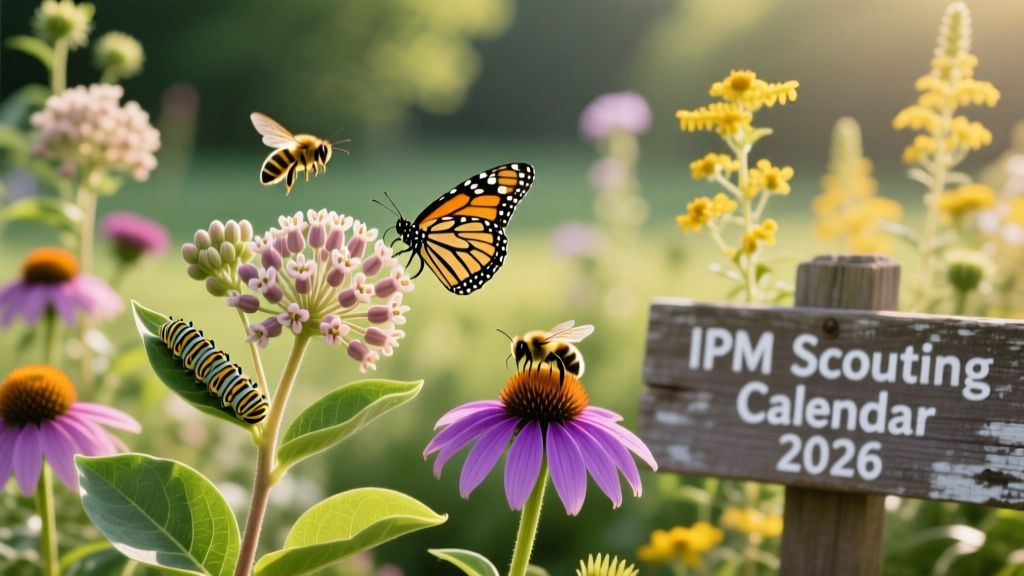
2026 IPM Scouting Calendar for Pollinator-Friendly Gardens
David ParkPublished
Why Scouting is the Backbone of Pollinator-Safe IPM
As we navigate the 2026 gardening season, the shift toward ecological landscaping has never been more pronounced. For home gardeners dedicated to pollinator-friendly garden design, the traditional 'see a bug, spray a bug' mentality is not just outdated—it is actively harmful to the native bees, butterflies, and beneficial insects that form the foundation of a thriving ecosystem. Integrated Pest Management (IPM) offers a sustainable alternative, and at the very core of IPM is the practice of scouting. According to the Environmental Protection Agency (EPA), IPM is not a single pest control method but a series of pest management evaluations, decisions, and controls. Scouting—the systematic, regular observation of your garden to monitor pest populations and environmental conditions—is the critical first step that prevents unnecessary chemical interventions.
In a pollinator-friendly garden, the goal is never total eradication of all insects. A sterile garden is a dead garden. Instead, the goal is to maintain pest populations below damaging thresholds while providing a safe haven for foraging honeybees, native bumblebees, solitary mason bees, and migrating monarch butterflies. This comprehensive 2026 IPM scouting calendar will guide you through the seasons, ensuring your interventions are timely, targeted, and entirely safe for your garden's most important visitors.
Essential Scouting Tools for Your 2026 Toolkit
Before stepping into the garden, assemble a dedicated scouting kit. You do not need expensive laboratory equipment, but a few specific tools will drastically improve your pest identification accuracy:
- Jeweler's Loupe (30x to 60x magnification): Essential for identifying tiny pests like spider mites, thrips, and early-stage aphid nymphs without damaging the plant.
- Yellow and Blue Sticky Cards: Used for monitoring flying insect populations. Yellow attracts aphids, whiteflies, and fungus gnats, while blue is highly effective for thrips.
- A White Cloth or Beating Tray: Placed under branches to catch dislodged insects when you gently tap the foliage, making it easier to spot camouflaged pests.
- Digital Garden Journal or App: In 2026, apps like Seek by iNaturalist or specialized garden tracking software allow you to log pest sightings, take geo-tagged photos, and track population trends over time.
- Soil Moisture Meter: Many pest outbreaks, such as fungus gnats and root aphids, are directly tied to overwatering and poor soil drainage.
The 2026 Pollinator Garden IPM Scouting Calendar
The following calendar provides a month-by-month roadmap for scouting your garden. Timing is everything; catching a pest during its vulnerable life stage can save your prized native perennials without ever reaching for a spray bottle.
| Season / Months | Target Pests to Scout For | Scouting Technique | Pollinator-Safe Action Threshold & Response |
|---|---|---|---|
| Early Spring (March - April) | Slugs, snails, early aphids, overwintering scale insects. | Inspect soil level at dusk with a flashlight. Check undersides of emerging basal rosettes. | Threshold: Visible slime trails or >10 aphids per leaf. Action: Hand-pick slugs at night. Blast aphids with a sharp stream of water. Apply dormant horticultural oil to woody shrubs before bud break. |
| Late Spring (May - June) | Cabbage loopers, imported cabbageworms, leaf miners, lily beetles. | Look for frass (insect droppings) and window-paning on leaves. Check lily stems daily. | Threshold: 1-2 caterpillars per plant or severe defoliation. Action: Hand-pick and drop in soapy water. Apply Bacillus thuringiensis (Bt) only to non-host plants in the evening to avoid butterfly larvae. |
| Early Summer (July) | Japanese beetles, spider mites, squash vine borers, cucumber beetles. | Check for skeletonized leaves. Look for sawdust-like frass at the base of squash vines. | Threshold: Beetles causing aesthetic damage only, or vine borer entry holes. Action: Knock Japanese beetles into soapy water at dawn. Wrap squash bases with nylon stockings. Use row covers early in the season. |
| Late Summer (August - Sept) | Grasshoppers, tomato hornworms, fall webworms, late aphid surges. | Scan canopy for webbing. Inspect nightshades for missing foliage and large green caterpillars. | Threshold: Hornworms stripping >20% of foliage. Action: Hand-pick hornworms (leave those with white parasitic wasp cocoons). Prune out fall webworm nests. |
| Autumn (Oct - Nov) | Squash bugs, stink bugs, boxelder bugs seeking overwintering sites. | Check under debris, old boards, and dead plant matter. Inspect remaining fruits. | Threshold: Aggregations of adults preparing to overwinter. Action: Remove and compost (or burn) heavily infested cucurbit debris. Leave native perennial stems standing for overwintering native bees. |
| Winter (Dec - Feb) | Scale insects, mite eggs, overwintering fungal spores. | Inspect dormant woody stems with a loupe. Look for bumps on bark and branch crotches. | Threshold: History of severe scale or mite infestations. Action: Apply dormant horticultural oil on a dry, windless day when temperatures are above freezing but before buds swell. |
Deep Dive: The Milkweed Dilemma and Pollinator Host Plants
One of the most common scouting challenges in a pollinator garden involves distinguishing between a pest outbreak and a natural ecological interaction, particularly on milkweed (Asclepias species). In early to mid-summer, gardeners often spot bright yellow Oleander aphids (Aphis nerii) clustering thickly on milkweed stems. The instinctive reaction is to treat this as an emergency. However, in a pollinator-first garden, you must recognize that milkweed is the obligate host plant for the monarch butterfly.
Spraying even organic pesticides like insecticidal soap or neem oil on milkweed can easily kill monarch eggs and tiny first-instar caterpillars hiding in the foliage. Furthermore, Oleander aphids are a food source for specialized beneficial insects like the milkweed seed bug and certain parasitic wasps. When scouting milkweed, look closely for the tiny, pale green monarch eggs (shaped like miniature footballs with ridges) on the undersides of the leaves. If monarchs are present, tolerate the aphids. If the aphid population is truly threatening to kill the plant, gently wipe the aphids off the stems with a gloved hand or a damp cloth, avoiding any chemical sprays entirely.
Establishing Action Thresholds with the Xerces Society Guidelines
Knowing when to act is just as important as knowing how to scout. The Xerces Society for Invertebrate Conservation strongly advocates for establishing high action thresholds in pollinator habitats. An action threshold is the point at which pest populations or environmental conditions indicate that pest control action must be taken. In a vegetable garden, a single squash bug might warrant immediate action to protect your harvest. In a pollinator garden, that same squash bug is simply part of the local food web.
When your scouting reveals a pest, ask yourself three questions before intervening:
- Is the pest causing structural or fatal damage to the plant, or is the damage merely cosmetic? Japanese beetles often skeletonize leaves in late summer, but the plant is usually preparing for dormancy anyway. Cosmetic damage does not require intervention.
- Are natural predators already present? If you scout aphids, use your jeweler's loupe to look for ladybug larvae (which look like tiny black and orange alligators), green lacewing eggs, or parasitized 'mummies' among the aphid colony. If beneficials are present, doing nothing is the best IPM strategy.
- Is the plant a host or nectar source for active pollinators? If the plant is currently blooming or serves as a caterpillar host, chemical interventions—even OMRI-listed organic ones—should be strictly avoided.
Safe Intervention: Timing and Targeted Organics
When scouting confirms that a pest has crossed the action threshold and intervention is necessary to save a valuable native plant, the timing of your application is critical for pollinator safety. Never apply any treatment, including organic options like Spinosad, horticultural oils, or insecticidal soaps, during the heat of the day or when plants are in bloom. Bees and butterflies are most active between 10:00 AM and 4:00 PM.
Always apply treatments at dusk or in the very early morning when pollinators are roosting and not foraging. By the time the sun rises and the flowers open, liquid sprays will have dried, significantly reducing the risk of contact toxicity to visiting bees. Additionally, target your application strictly to the affected area. If spider mites are only on the lower third of a perennial, spray only the lower third. Avoid broadcast spraying, which drifts onto neighboring nectar-rich blooms and disrupts the broader garden ecology.
Continuous Monitoring and Record Keeping
Effective IPM is a cycle, not a one-time event. The data you gather while scouting in 2026 will inform your garden design and planting choices for 2027 and beyond. If you notice that a specific cultivar of native echinacea is perpetually overwhelmed by eriophyid mites every August, the long-term IPM solution is to replace that specific cultivar with a more resistant species or variety, rather than fighting a yearly battle.
By integrating the University of California Statewide Integrated Pest Management Program (UC IPM) methodologies into your home garden, you elevate your gardening from a series of reactive chores to a proactive, ecological partnership. Scouting builds a deep, intimate knowledge of your garden's microclimates and biological rhythms. It teaches you to read the landscape, recognize the subtle signs of ecological imbalance, and intervene with a light, precise hand. Ultimately, a rigorous scouting calendar ensures that your garden remains a vibrant, buzzing sanctuary where pest management and pollinator conservation exist in perfect, sustainable harmony.